
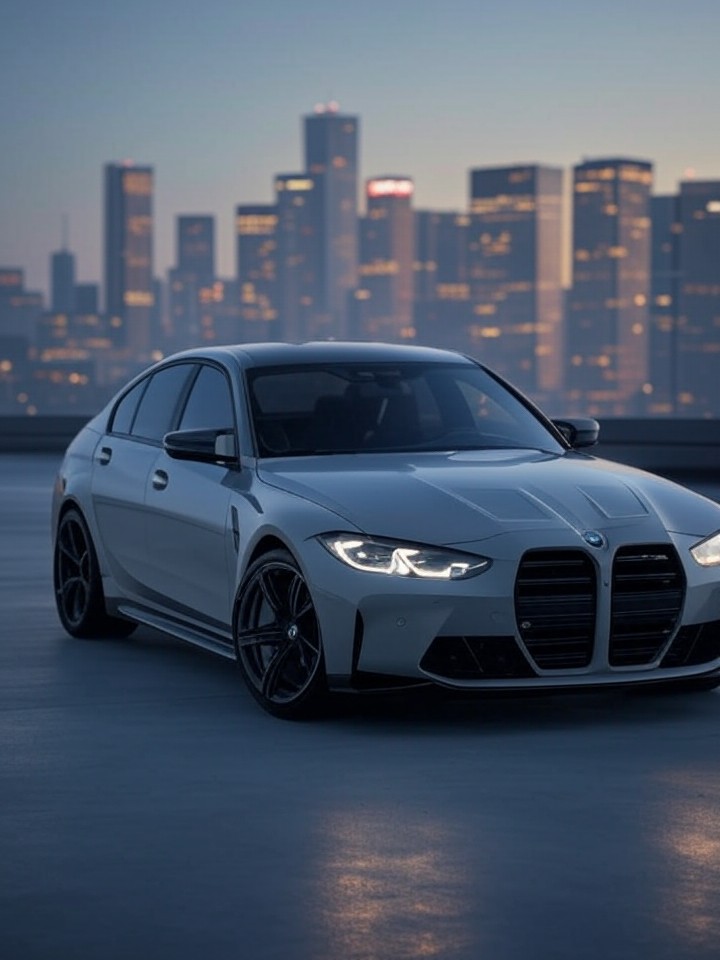
Electrifying the Ultimate Driving Machine: BMW’s Quad-Motor M3 Charges into the Future
BMW is poised to redefine high-performance sedans with its upcoming all-electric M3, a vehicle that promises to blend the brand’s storied legacy of driving dynamics with cutting-edge electric propulsion. Set for a 2027 debut, this model will leverage the company’s Neue Klasse platform, introducing a quad-motor setup that could deliver unprecedented levels of power and control. According to details shared in a recent The Verge report, BMW executives have teased that this electric M3 will elevate performance to a “new level,” surpassing even the capabilities of its combustion-engine predecessors.
The shift to electric power represents a significant pivot for BMW’s M division, which has long been synonymous with inline-six engines and rear-wheel-drive thrills. Yet, as the automotive industry accelerates toward electrification, BMW is not merely adapting—it’s innovating. The quad-motor configuration allows for individual wheel control, enabling torque vectoring that can mimic or exceed the handling prowess of traditional mechanical differentials. This technology, as highlighted in various industry analyses, could make the electric M3 a benchmark for agility and responsiveness on both road and track.
Beyond raw performance, the Neue Klasse architecture brings advancements in battery technology and efficiency. BMW has invested heavily in developing cylindrical cells and structural packs that promise faster charging and greater range. Posts on X from automotive enthusiasts and analysts suggest excitement around these features, with users noting potential peak charging speeds up to 400 kW, which could add hundreds of miles of range in mere minutes.
Quad Motors and the Heart of Joy
Drawing from recent web updates, the electric M3’s powertrain will feature four electric motors, one for each wheel, eliminating the need for physical differentials. This setup, as detailed in a Road & Track piece, allows for instantaneous power distribution, adapting to driving conditions in real-time. BMW has confirmed a rear-wheel-drive mode, preserving the brand’s heritage of playful handling while offering all-wheel-drive versatility for maximum traction.
Industry insiders point out that this approach could yield over 1,000 horsepower, making the electric M3 a formidable rival to supercars. A Top Gear article emphasizes the synthetic theatrics BMW plans to incorporate, including simulated gear shifts and artificial engine sounds, to maintain the emotional appeal of M cars. These elements aim to bridge the gap between electric silence and the visceral feedback drivers crave.
On X, discussions from users like automotive journalists highlight the integration of an 800-volt system, which supports ultra-fast charging and enhances overall efficiency. One post referenced a prototype’s ability to charge from 10% to 80% in just 20 minutes, underscoring the practical benefits for performance-oriented owners who might frequent tracks or long drives.
Battery Innovations Driving Performance
The battery pack for the Neue Klasse models, including the M3, is designed as a structural component, enhancing chassis stiffness without adding excessive weight. Reports from Hypebeast describe how this integration uses advanced materials, such as natural fibers akin to carbon fiber, to optimize rigidity and reduce mass. This not only improves handling but also contributes to a lower center of gravity, a key factor in dynamic performance.
BMW’s commitment to sustainability is evident in these material choices, aligning with broader industry trends toward eco-friendly manufacturing. The pack’s capacity is expected to exceed 100 kWh, providing ample range for spirited driving without frequent stops. As per insights from EV-focused sites, this setup could deliver efficiency figures around 4 miles per kWh, competitive with leading electric vehicles.
X posts from EV enthusiasts have shared spy photos and test data, suggesting that prototypes are already demonstrating impressive real-world performance. For instance, charging tests indicate average power delivery of over 300 kW during rapid sessions, which could translate to adding more than 200 miles in 10 minutes under ideal conditions.
Parallel Paths: Electric and Petrol M3s
Notably, BMW isn’t abandoning its petrol roots entirely. The company has confirmed that a straight-six gasoline M3 will coexist alongside the electric variant, catering to purists who prefer internal combustion. This dual strategy, as outlined in a PistonHeads update, ensures the M3 lineup appeals to a wide audience during the transition to electrification.
This approach reflects BMW’s pragmatic view of market demands, where regulatory pressures for lower emissions coexist with enthusiast desires for traditional powertrains. The electric model’s quad-motor system, however, introduces capabilities impossible with gasoline engines, such as seamless torque vectoring that can enhance cornering speeds and stability.
Social media buzz on X reveals divided opinions, with some users lamenting the loss of engine roar while others praise the potential for silent, instantaneous acceleration. Trademark filings for names like “iM3” hint at BMW’s branding strategy, further fueling speculation about the model’s positioning in the lineup.
Engineering the Driving Experience
At the core of the electric M3 is BMW’s “Heart of Joy” philosophy, which focuses on recreating the emotional connection drivers feel with M cars. Features like simulated shifts and adjustable soundscapes, as reported in EV Central, aim to deliver a multisensory experience that rivals combustion models. This includes haptic feedback and visual cues to mimic gear changes, ensuring the car feels alive despite its electric nature.
The Neue Klasse platform also incorporates advanced suspension tuning, with the battery’s placement contributing to ideal weight distribution. Industry experts note that this could result in lap times competitive with current M3 models, even on demanding circuits. Prototypes tested in various conditions have shown the quad-motor setup’s ability to handle slick surfaces with precision, thanks to per-wheel power modulation.
X conversations among car aficionados often reference BMW’s investment in global battery production facilities, from Germany to Mexico, ensuring supply chain resilience for the 2027 launch. These facilities are geared toward producing high-voltage packs tailored for performance applications.
Market Implications and Competitor Responses
As BMW prepares to unleash this electric beast, competitors are taking note. Rivals like Mercedes-AMG and Audi RS are accelerating their own EV performance programs, but BMW’s quad-motor innovation sets a high bar. A The Globe and Mail analysis questions whether this represents the next evolution in performance EVs, potentially influencing designs across the sector.
The electric M3’s pricing and availability will be crucial, with estimates suggesting a premium over the current M3 due to advanced tech. Yet, tax incentives and lower operating costs could make it attractive for buyers in emissions-conscious markets. BMW’s global rollout plans include key regions like Europe, North America, and Asia, where EV adoption is surging.
On X, posts from industry watchers speculate on power figures, with some estimating 700 to 800 horsepower for base models, scaling up to over 1,000 in higher trims. This positions the M3 as a halo vehicle, showcasing BMW’s electrification prowess.
From Concept to Reality
BMW’s journey to the electric M3 has involved extensive prototyping, including mules like the Vision Driving Experience, which demonstrated ground-hugging capabilities. As per X shares from automotive media, these testbeds have influenced the final design, incorporating aerodynamic enhancements and minimalist styling cues.
The Panoramic iDrive system promises an immersive cabin, blending digital interfaces with physical controls for intuitive operation. This evolution builds on BMW’s heritage while embracing future tech, ensuring the M3 remains a driver’s car in the electric era.
Looking ahead, the 2027 launch could mark a turning point for performance sedans, proving that electrification enhances rather than diminishes excitement. BMW’s bold steps underscore its leadership in merging tradition with innovation, setting the stage for a new chapter in automotive history.
Global Production and Supply Chain Strategies
To support the Neue Klasse rollout, BMW has established battery plants worldwide, as noted in X posts detailing facilities in multiple countries. This strategy mitigates risks and ensures timely production ramps, critical for meeting demand in a competitive market.
The use of cylindrical cells without modules streamlines assembly and improves energy density, key for the M3’s performance goals. Analysts predict this will enable ranges exceeding 400 miles, alleviating range anxiety for track enthusiasts.
Finally, as BMW refines the electric M3, feedback from early prototypes shared on social platforms suggests refinements in software for optimal power delivery, promising a vehicle that not only performs but captivates.


 WebProNews is an iEntry Publication