
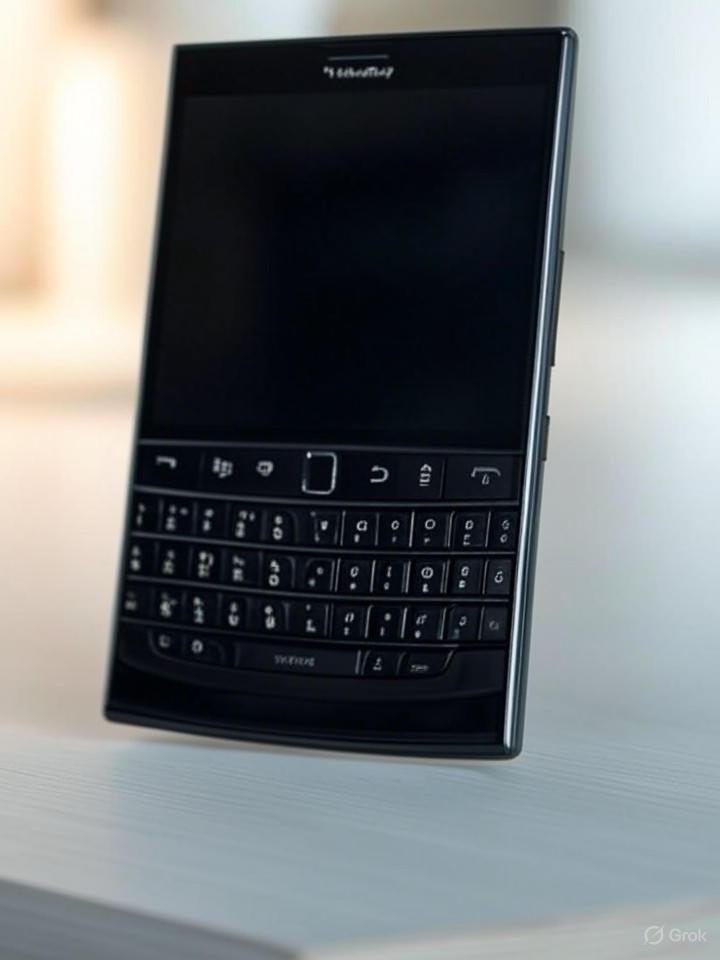
In the ever-evolving world of mobile technology, a nostalgic revival is underway as enthusiasts and engineers breathe new life into the iconic BlackBerry Passport. Launched in 2014, this square-screened device was a bold experiment in smartphone design, prioritizing productivity with its physical keyboard and enterprise-focused features. Now, a decade later, a project aims to transform it into a modern Android powerhouse, blending retro aesthetics with contemporary software.
The initiative stems from a team that previously revived the BlackBerry Classic, installing Android on updated hardware. According to a recent report from Android Authority, the group is developing upgrade kits for the Passport, allowing users to swap out outdated internals for components that support Android, complete with improved processors and compatibility.
Reviving a Relic: The Technical Overhaul
This isn’t mere tinkering; the process involves disassembling the original Passport and integrating new motherboards, batteries, and displays while preserving the signature 4.5-inch square screen and touch-sensitive keyboard. Sources like Android on Passport detail how the team starts with stock devices, updates them with fresh parts, and rigorously tests for functionality, ensuring the revived phones can handle modern apps and connectivity.
The appeal lies in nostalgia for BlackBerry’s heyday, when physical keyboards ruled for business users weary of touchscreens. Yet, the project addresses practical obsolescence: BlackBerry 10, the Passport’s original OS, lost support in 2022, rendering devices unreliable for calls, data, or even emergency services.
From Enterprise Darling to Android Hybrid
Critics and fans alike recall the Passport’s mixed reception upon release. As noted in Wikipedia, it earned praise for its build quality and keyboard innovations but faced criticism for its unconventional form factor, which some found cumbersome for media consumption.
Today’s revival taps into a niche market of keyboard aficionados, with the Android integration promising access to Google’s vast app ecosystem. Discussions on forums such as CrackBerry highlight community excitement, including custom builds and even Android 11 ports, though official kits aim for stability over experimental hacks.
Market Implications and Challenges Ahead
Pricing for these kits hasn’t been finalized, but parallels to the Classic revival—offered around $400—suggest affordability for collectors. A Reddit thread on r/blackberry shows users debating the merits, from enhanced security features to potential limitations in camera performance or 5G support.
However, challenges persist: sourcing original Passports in good condition is tricky, and legal hurdles around BlackBerry’s trademarks could arise. Industry observers point to similar projects, like Unihertz’s Titan series, which clone BlackBerry designs with Android natively, as noted in Liliputing.
The Broader Revival Trend in Tech Nostalgia
This Passport project reflects a broader trend where vintage tech gets modern upgrades, from retro gaming consoles to modular phones. Publications like GSMArena document the original specs—Snapdragon 801 chipset, 13MP camera, 3GB RAM—highlighting how far hardware has advanced, making these revivals feasible.
For industry insiders, it underscores a persistent demand for tactile interfaces amid touchscreen dominance. Whether this sparks a BlackBerry renaissance or remains a hobbyist pursuit, it’s a testament to enduring design legacies.
Future Prospects: Innovation or Novelty?
Looking ahead, the team behind the kits, as covered in Android Authority’s earlier piece on the Classic, plans expansions, potentially including more models. Enthusiasts on platforms like Quora have long speculated on Android ports, but these kits make it accessible without deep technical know-how.
Ultimately, while not mass-market, this revival could influence future devices, reminding manufacturers that productivity tools still have a place in a touch-centric world. As mobile tech pushes toward foldables and AI, the Passport’s Android rebirth offers a quirky bridge between past and present, appealing to those who crave keyboards over swipes.


 WebProNews is an iEntry Publication