
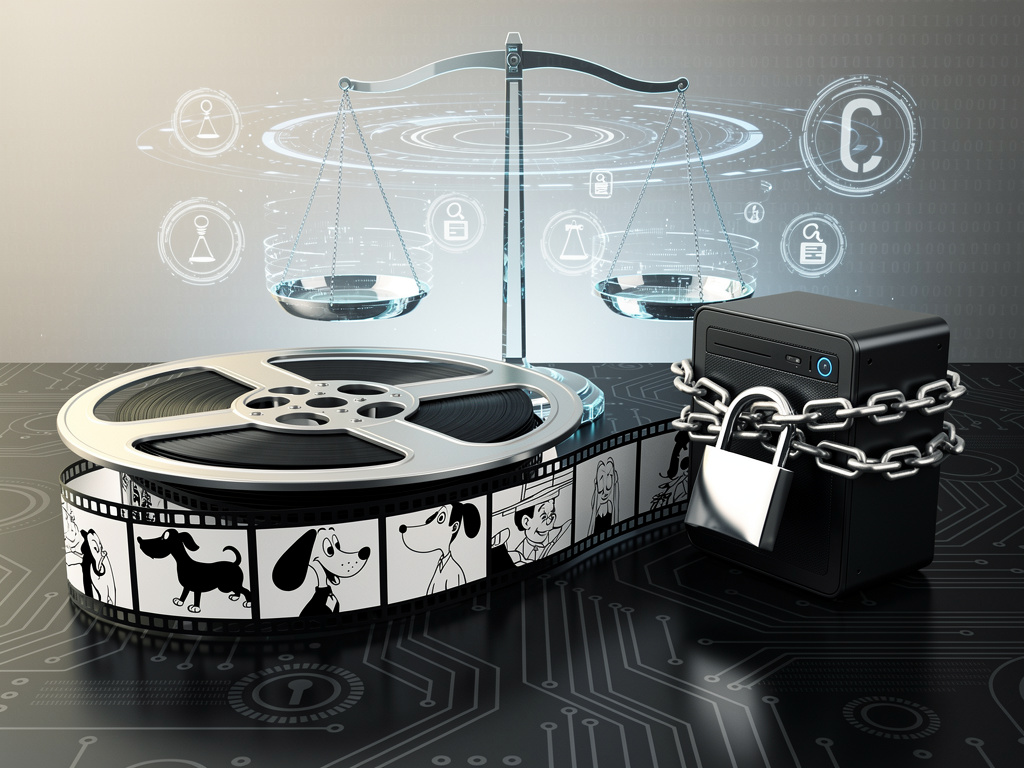
The Floppy-Eared Fiasco: Betty Boop’s Public Domain Dog Days Spark Copyright Clash
In the early hours of January 1, 2026, a peculiar chapter unfolded in the annals of intellectual property law as Betty Boop, the iconic flapper cartoon character, ostensibly stepped into the public domain. But this wasn’t the sultry, human chanteuse fans remember from her heyday. Instead, it was a floppy-eared, anthropomorphic dog version from her debut in the 1930 short “Dizzy Dishes.” This distinction has ignited a firestorm of criticism directed at Fleischer Studios, the entity claiming stewardship over the character’s legacy. The studio asserts that only this canine incarnation is now free for public use, while later human iterations remain under copyright protection.
The controversy stems from the intricacies of U.S. copyright law, which grants works a 95-year term before they enter the public domain. For creations from 1930, that clock ticked over at the start of 2026. Betty Boop’s first appearance, in a Max Fleischer cartoon, fits squarely into that category. Yet, as detailed in a Reason article published on January 1, 2026, the character’s evolution from a dog-like figure to the familiar human form complicates matters. Fleischer Studios has publicly warned that assertions of Betty Boop’s full public domain status are “actually not true,” emphasizing that different versions of characters can have varying copyright protections.
This stance has drawn sharp rebukes from legal experts and copyright reformers, who argue it exemplifies the overreach and confusion plaguing modern copyright systems. On social media platforms like X, users have voiced frustration, with posts highlighting the studio’s claims as an attempt to cling to control despite the law’s clear timelines. The debate underscores broader tensions in the entertainment industry, where legacy holders grapple with the inevitable release of cultural icons into the commons.
Unpacking the Origins of a Cartoon Icon
Betty Boop’s journey began in the Fleischer Studios’ animation “Dizzy Dishes,” where she appears as a singing dog in a restaurant scene populated by animal characters. This version, with her distinctive ears and playful demeanor, predates the more refined human portrayal that solidified her fame in subsequent shorts like “Silly Scandals” in 1931. According to information from the Fleischer Studios website, updated around the turn of the year, the studio maintains that the public domain entry applies solely to this initial depiction, not the evolved character that became a trademarked brand.
Critics, however, point to precedents in copyright law where incremental changes don’t necessarily extend protections indefinitely. For instance, early versions of Mickey Mouse entered the public domain in previous years, but Disney retained rights to later developments. A PBS News report on January 1, 2026, listed Betty Boop among highlights entering the public domain, alongside figures like Blondie and Nancy Drew, without qualifiers about her form. This inclusion fueled optimism among creators eager to reinterpret these classics without licensing fees.
The backlash against Fleischer Studios intensified on X, where threads dissected the studio’s position as overly aggressive. One widely shared post echoed sentiments that such claims stifle creativity, drawing parallels to past disputes over characters like Sherlock Holmes, where courts eventually ruled core elements public after copyright expiration. Industry insiders note that this could set the stage for legal battles if creators test the boundaries with new works featuring Betty Boop-like figures.
Legal Nuances and Industry Implications
Delving deeper into the legal framework, the U.S. Copyright Office’s guidelines on derivative works become pivotal. If the human Betty Boop is deemed a derivative of the original dog version, its copyright might extend beyond 2026, depending on when those changes were fixed in tangible form. A preemptive analysis from Copyright Lately, published December 8, 2025, anticipated this very issue, noting that works from 1930, including early Betty Boop, would join the public domain, but cautioned about character evolutions.
Fleischer Studios’ defensive posture isn’t without basis; the company has a history of vigorously protecting its properties. In a statement on their site, they reference the “bizarre saga” of Betty’s origins, aligning with commentary in Reason that illustrates flaws in copyright duration. Yet, public sentiment, as gleaned from recent X posts, leans toward viewing this as corporate greed, with users criticizing the studio for misleading the public about what is truly free to use.
For animation professionals and IP lawyers, this dispute highlights the challenges of managing character rights in an era of extended copyrights. The 1998 Copyright Term Extension Act, often dubbed the “Mickey Mouse Protection Act,” pushed terms to 95 years, delaying public domain entries. Now, as 1930 works flood in, studios like Fleischer face a reckoning. A Mashable article dated January 1, 2026, expanded the list to include early Disney cartoons, underscoring a wave of liberations that could inspire a renaissance in derivative art.
Voices from the Creative Community
Creators are already buzzing with ideas for repurposing the dog-eared Betty. Independent animators, speaking anonymously to industry forums, express excitement over remixing the 1930 short into modern narratives, potentially blending it with contemporary themes. However, Fleischer’s warnings have instilled caution, with some fearing cease-and-desist letters if they venture too close to the human archetype.
Legal scholars, such as those at Duke University’s Center for the Study of the Public Domain, have weighed in. Their Public Domain Day 2026 page, updated December 21, 2025, celebrates the entry of 1930 works and 1925 sound recordings, explicitly mentioning Betty Boop without caveats. This academic endorsement bolsters arguments that the core character is now fair game, potentially limiting Fleischer’s claims to specific trademarks rather than broad copyrights.
On X, the conversation has evolved into a broader critique of IP hoarding. Posts from influencers in the tech and media sectors decry how such disputes hinder innovation, citing examples like fan fiction communities that thrive on public domain materials. One thread, gaining traction in early January 2026, compared Betty’s situation to the recent public domain status of Winnie-the-Pooh, which spawned horror adaptations and merchandise free from original rights holders’ oversight.
Historical Context and Precedents
To fully appreciate the uproar, one must revisit Betty Boop’s origins amid the Jazz Age animation boom. Created by Max Fleischer, she was inspired by performers like Helen Kane, leading to a 1932 lawsuit where Kane claimed infringement—a case Fleischer won by proving the character’s originality. This history, detailed in a 2016 Mashable post on X resurfaced in recent discussions, illustrates how Betty has long been entangled in legal skirmishes.
Fast-forward to 2026, and the public domain entry revives these themes. Fleischer Studios, now under different ownership, has invested in restoring old films, as noted in a 2024 Deadline post on X about preserving nine Fleischer animations. Yet, critics argue this stewardship doesn’t justify extending control beyond legal limits. A Worldnews.com article from January 4, 2026, captured the criticism, quoting experts who label the studio’s claims as “misleading” and potentially actionable if they deter lawful uses.
The Slashdot community, known for tech-savvy discourse, amplified the story in their January 4, 2026, post, where commenters debated the merits of version-specific copyrights. This online forum reflects a growing consensus that Fleischer’s position may not hold up in court, especially given judicial trends favoring public access.
Potential Paths Forward for Creators and Rights Holders
As the dust settles, creators are advised to tread carefully, focusing on the 1930 elements while avoiding trademarked aspects like Betty’s signature “Boop-Oop-a-Doop” catchphrase, which Fleischer still protects. Industry groups, including the Animation Guild, are monitoring developments, with some members advocating for clearer guidelines on character derivatives.
Fleischer Studios might pursue litigation to clarify boundaries, but experts predict reluctance due to the risk of unfavorable rulings. Drawing from the Reason piece, such cases often expose the absurdities of prolonged copyrights, potentially galvanizing reform efforts. On X, posts from legal commentators suggest that if challenged, courts could rule that the human Betty is insufficiently distinct from the original to warrant separate protection.
Meanwhile, the broader cultural impact is profound. Public domain influxes have historically sparked creative booms, from new Sherlock Holmes stories to reimaginings of classic literature. For Betty Boop, this could mean a resurgence in popularity, with indie games, comics, and films exploring her dog days in fresh ways.
Economic Stakes in Icon Preservation
Economically, Fleischer Studios has much to lose. Betty Boop merchandise generates significant revenue, and diluting control could erode that. Yet, public domain status often enhances a character’s visibility, as seen with Mickey Mouse’s Steamboat Willie version inspiring viral content post-2024.
Critics argue that studios like Fleischer benefit from cultural commons while resisting contributions back. The PBS report highlights how 2026’s entries, including sound recordings from 1925, enrich the artistic pool, benefiting educators, historians, and artists alike.
In industry circles, this saga prompts reflection on balancing innovation with protection. As one animation executive noted off-record, “The real value lies in evolution, not stagnation.” With Betty’s floppy-eared form now free, the stage is set for a new era of interpretation, challenging Fleischer to adapt rather than resist.
Echoes of Broader Copyright Reforms
The Betty Boop controversy resonates with ongoing calls for copyright reform. Advocates, inspired by Duke’s analyses, push for shorter terms to foster creativity. X discussions in early 2026 link this to tech issues like AI-generated art, where public domain materials train models without infringement fears.
Fleischer’s critics, per the Worldnews.com piece, accuse the studio of fearmongering to maintain monopoly. Yet, supporters defend the need to protect investments in character development.
Ultimately, this dispute may catalyze clearer precedents, benefiting the industry by defining what constitutes a “new” version worthy of extended copyright. As 2026 progresses, eyes remain on potential lawsuits or creative works that test these waters.
Navigating the Future of Fictional Legacies
For insiders, the key takeaway is vigilance in IP management. Studios must document evolutions meticulously, while creators should consult experts before venturing into gray areas.
The Mashable list reminds us that public domain days are milestones of liberation, injecting vitality into cultural expression. Betty Boop’s case, quirky as it is, exemplifies the tensions at play.
In the end, whether as dog or diva, Betty’s enduring appeal ensures her legacy will thrive, public domain or not, shaping the contours of animation history for years to come.


 WebProNews is an iEntry Publication