
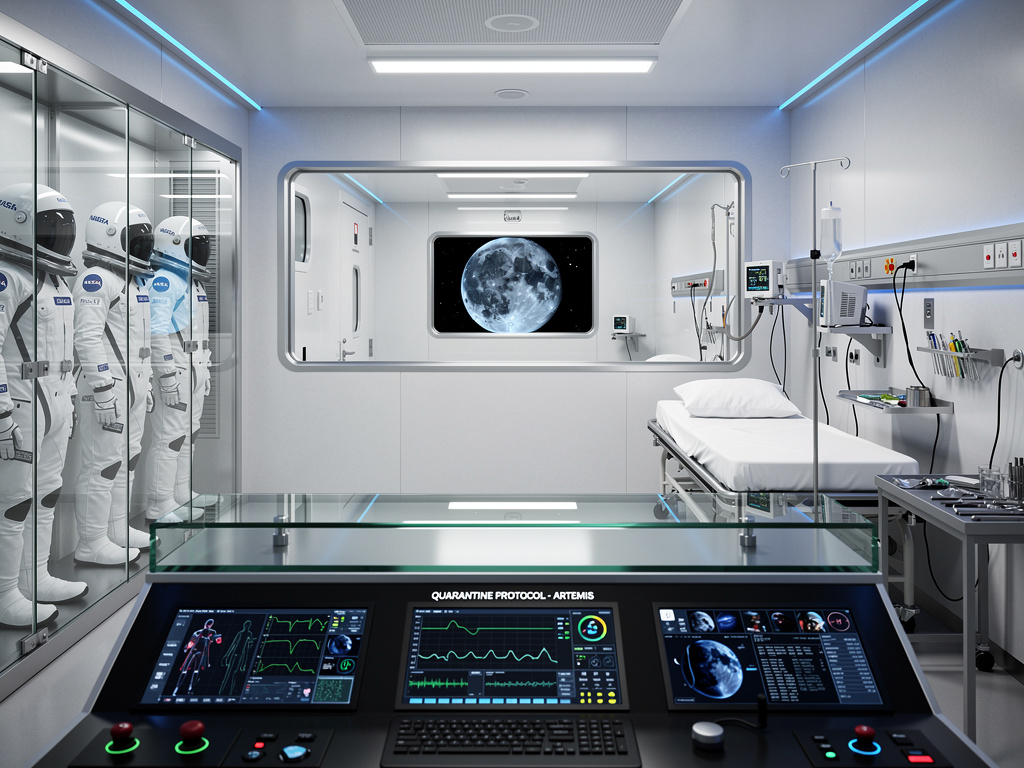
As NASA prepares to return humans to the lunar surface for the first time in over five decades, the agency has reinstated a practice that defined the Apollo era: mandatory quarantine for astronauts before launch. This precautionary measure, while seemingly anachronistic in an age of advanced medical technology, represents a critical safeguard for missions costing billions of dollars and carrying immense scientific importance. The quarantine protocols for Artemis crews reveal the intricate balance between human health, mission success, and the lessons learned from decades of spaceflight experience.
According to Digital Trends, the pre-flight quarantine period typically begins approximately two weeks before launch, during which astronauts are isolated from the general public and even most NASA personnel. This timeframe is not arbitrary—it corresponds to the incubation period for most common infectious diseases that could compromise crew health or mission objectives. The practice ensures that astronauts board their spacecraft in peak physical condition, free from pathogens that could manifest during the critical phases of launch, transit, or lunar operations.
The modern quarantine facility at NASA’s Kennedy Space Center in Florida serves as the primary isolation location for Artemis crews. Unlike the rudimentary accommodations of the Apollo era, today’s quarantine quarters feature state-of-the-art medical monitoring equipment, comfortable living spaces, and advanced communication systems that allow astronauts to maintain connection with mission planners and their families. The facility includes individual sleeping quarters, exercise equipment, meeting rooms, and recreational areas designed to maintain both physical fitness and psychological well-being during the isolation period.
The Medical Rationale Behind Pre-Flight Isolation
The decision to implement quarantine protocols stems from hard-won experience in human spaceflight. During the Apollo program, NASA learned that even minor illnesses could have catastrophic consequences in the confined environment of a spacecraft. The most notable incident occurred during Apollo 13, when crew member Fred Haise developed a urinary tract infection during the mission, compounding the already dire situation created by the oxygen tank explosion. While Haise’s infection was not related to pre-flight exposure, it highlighted the vulnerability of astronauts to medical conditions in space where treatment options are severely limited.
More recently, concerns about infectious disease transmission have intensified following the COVID-19 pandemic. NASA officials have acknowledged that the global health crisis reinforced the importance of stringent health protocols for spaceflight crews. The agency’s experience managing launches during the pandemic demonstrated that even with extensive precautions, the risk of infection remains a constant concern. For Artemis missions, which will involve extended stays on the lunar surface and complex operations far from immediate medical assistance, preventing illness before launch becomes even more critical.
Dr. J.D. Polk, NASA’s former Chief Health and Medical Officer, has emphasized that quarantine serves multiple purposes beyond preventing infectious disease. The isolation period allows medical teams to establish baseline health metrics for each astronaut, monitor for any subtle changes in physical condition, and ensure that crew members are adapting well to the psychological demands of the upcoming mission. This comprehensive health assessment provides mission controllers with detailed information about each astronaut’s condition, enabling better decision-making if medical issues arise during the flight.
Who Gets Access to Quarantined Astronauts
The quarantine protocol operates on a strict hierarchy of access, with only essential personnel permitted to interact with the flight crew. Family members must undergo health screenings and may be required to enter a modified quarantine themselves before visiting astronauts. Mission-critical trainers, flight directors, and medical staff form the core group of individuals with regular access, but even these personnel must pass daily health checks and adhere to rigorous hygiene protocols. This creates a protective bubble around the crew, minimizing exposure vectors while maintaining the necessary human connections and operational readiness.
The restrictions extend to the type of contact permitted during quarantine. All interactions occur in controlled environments with enhanced air filtration systems and strict sanitation procedures. Video conferencing has become the primary means of communication with the broader mission team, reducing the need for physical meetings while maintaining operational efficiency. Food preparation follows pharmaceutical-grade cleanliness standards, with dedicated kitchen staff who themselves undergo health monitoring and restricted contact protocols.
Support personnel who interact with quarantined astronauts receive specialized training in infection control and biosecurity measures. These individuals must report any symptoms of illness immediately and are subject to removal from crew access if they show any signs of infection. The system creates multiple layers of protection, recognizing that the failure of any single safeguard could potentially compromise the entire mission. This redundancy reflects NASA’s broader safety philosophy, where critical systems always have backup protocols.
Psychological Dimensions of Pre-Launch Isolation
While the physical health benefits of quarantine are well-documented, the psychological impact of pre-flight isolation presents unique challenges for mission planners. Astronauts must balance the need for focused preparation with the emotional toll of separation from loved ones during the final days before an historic journey. NASA’s behavioral health teams work closely with quarantined crews to ensure that isolation does not create undue stress or anxiety that could affect performance during the mission.
The quarantine period has evolved to incorporate elements that support mental well-being alongside physical health. Astronauts maintain regular exercise routines, engage in team-building activities, and participate in relaxation techniques designed to manage pre-flight stress. The schedule includes designated personal time, allowing crew members to decompress and process the magnitude of their upcoming mission. This holistic approach recognizes that successful spaceflight depends as much on psychological resilience as physical capability.
For Artemis missions, which will include the first woman and first person of color to walk on the Moon, the quarantine period also serves as a final opportunity for crew bonding and team cohesion. The isolation creates an environment where astronauts can focus entirely on mission preparation without external distractions, fostering the trust and communication essential for operating in the extreme environment of space. This intensive team-building phase has proven invaluable in previous missions, where strong interpersonal relationships helped crews navigate unexpected challenges.
Lessons from Apollo and International Space Station Operations
NASA’s current quarantine protocols build upon decades of experience from both the Apollo program and ongoing International Space Station operations. During the Apollo era, astronauts entered quarantine three weeks before launch and remained isolated for three weeks after returning to Earth—a precaution driven by concerns about potential lunar pathogens. While post-flight quarantine has been eliminated based on our understanding that the Moon harbors no biological threats, the pre-flight protocols have been refined and strengthened.
International Space Station crews have provided continuous data on the effectiveness of pre-flight health screening and quarantine measures. These long-duration missions demonstrated that even with careful precautions, minor illnesses occasionally affect crew members in orbit. However, the incidence of infectious disease among ISS crews has remained remarkably low, validating the effectiveness of pre-flight isolation protocols. NASA has incorporated these lessons into Artemis planning, recognizing that lunar missions present unique challenges that require even more stringent health safeguards.
The international nature of modern spaceflight has also influenced quarantine procedures. When crews include astronauts from multiple space agencies, coordination of health protocols becomes more complex. NASA works closely with international partners to ensure consistent standards across all participating agencies, creating a unified approach to crew health management. This collaboration has strengthened global spaceflight capabilities while maintaining the highest safety standards for all participants.
Technology and Innovation in Modern Quarantine Facilities
Contemporary quarantine facilities incorporate advanced technologies that were unavailable during the Apollo era. Real-time health monitoring systems track vital signs, sleep patterns, and other physiological indicators, providing medical teams with unprecedented insight into crew health. Artificial intelligence algorithms analyze this data to detect subtle changes that might indicate emerging health issues, enabling proactive intervention before problems become serious. These technological capabilities transform quarantine from a passive isolation period into an active health optimization process.
Environmental control systems in modern quarantine facilities maintain air quality that exceeds hospital operating room standards. High-efficiency particulate air filters remove potential pathogens, while positive pressure systems prevent outside air from entering crew areas. Ultraviolet light sterilization and antimicrobial surface treatments provide additional layers of protection. The facility essentially functions as a cleanroom, creating an environment where the risk of infection approaches zero while maintaining the comfort and functionality necessary for effective mission preparation.
Communication technology has revolutionized the quarantine experience, allowing astronauts to maintain robust connections with mission teams and families despite physical isolation. High-definition video conferencing, virtual reality training systems, and collaborative software platforms enable quarantined crews to participate fully in mission planning and preparation activities. This technological integration ensures that isolation does not impede operational readiness, a crucial consideration for complex missions like Artemis that require extensive coordination among hundreds of personnel.
The Future of Crew Health Management
As NASA plans for increasingly ambitious missions, including eventual crewed flights to Mars, quarantine protocols will continue evolving. Mars missions will require crews to remain healthy for journeys lasting years, making pre-flight health optimization even more critical. Research into advanced diagnostic technologies, personalized medicine, and preventive health strategies will inform future quarantine procedures, potentially extending isolation periods or implementing new screening methods to ensure crew readiness for ultra-long-duration missions.
The lessons learned from Artemis quarantine protocols will directly influence planning for lunar bases and Mars habitats, where crews will need to maintain health in isolated environments for extended periods. Understanding how to support human health during pre-flight quarantine provides valuable insights into the medical infrastructure required for permanent off-world settlements. These connections between current practices and future capabilities demonstrate how each mission contributes to humanity’s expanding presence in space.
The reinstatement of rigorous quarantine protocols for Artemis missions represents more than a nostalgic return to Apollo-era practices—it reflects a sophisticated understanding of the complex factors that determine mission success. By prioritizing crew health through comprehensive pre-flight isolation, NASA demonstrates its commitment to safe, successful exploration while building the foundation for humanity’s next great leap into the cosmos. As the first Artemis crews prepare to return to the Moon, their time in quarantine will prove as crucial to mission success as any technological innovation or training exercise, ensuring that the astronauts who make history arrive at the lunar surface in peak condition to accomplish their groundbreaking objectives.


 WebProNews is an iEntry Publication