
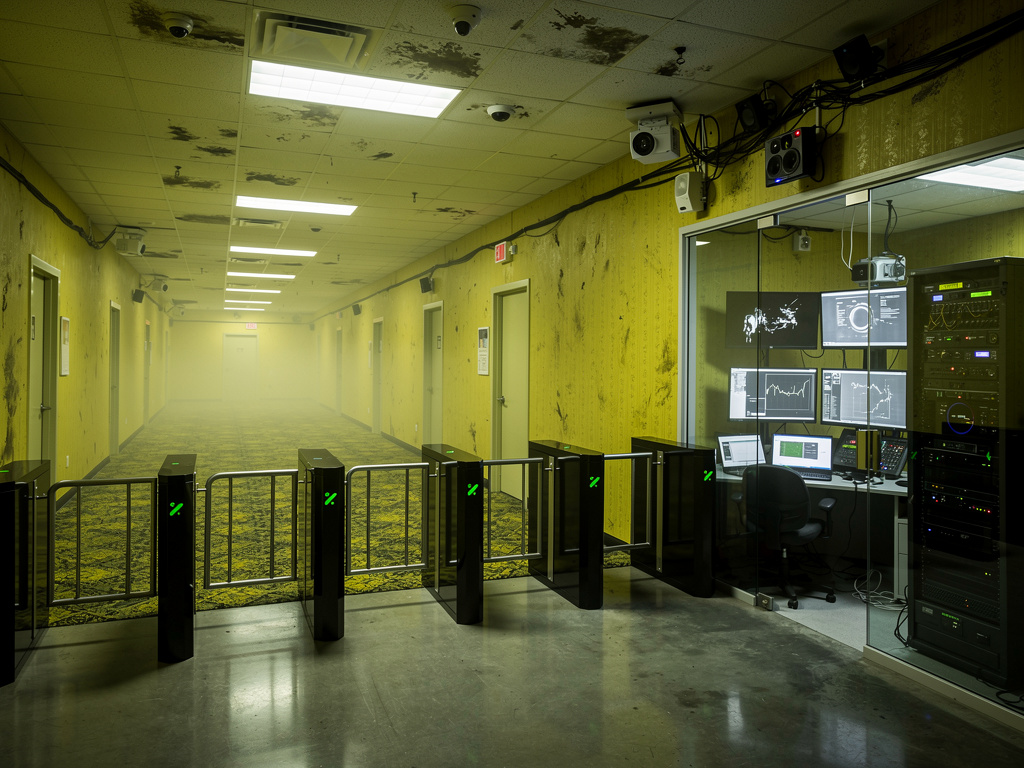
The viral internet horror phenomenon known as the Backrooms has officially crossed into physical reality with the opening of a massive new experiential attraction that shattered attendance records on its debut weekend. According to a report from Gizmodo, the permanent installation drew more than 18,000 visitors in its first three days, establishing itself as one of the most successful horror-themed attractions launched in recent memory.
The Backrooms originated in 2019 as a simple yet profoundly unsettling creepypasta post on 4chan. The original description painted a picture of an endless series of empty office rooms with yellow wallpaper, buzzing fluorescent lights, and a pervasive sense of wrongness. If you noclipped through reality, the story claimed, you might find yourself trapped in this monotonous maze with no exit. The concept quickly spread across online communities, inspiring countless videos, stories, and fan theories. What began as text on an image board evolved into an entire fictional universe complete with multiple levels, entities that hunt lost wanderers, and an atmosphere that taps into collective fears of liminal spaces.
The new permanent attraction transforms that digital nightmare into a walk-through experience spanning over 60,000 square feet in a converted warehouse district. Designers spent more than two years perfecting the layout, ensuring that every hallway, every flickering light fixture, and every stained carpet square contributed to the growing sense of dread. Visitors enter through what appears to be a normal office building before accidentally falling through the floor into the first level of the Backrooms. From there, the path becomes increasingly disorienting as participants move through progressively more disturbing variations of the yellow rooms.
Production teams studied thousands of fan-created images and videos to capture the exact aesthetic that made the original concept so memorable. The carpet pattern was recreated with painstaking accuracy, including the specific shade of yellow that seems to vibrate under the harsh lighting. Audio engineers layered distant echoing sounds, occasional wet squelching noises, and the constant hum of fluorescent tubes that never quite settle into a comfortable rhythm. The result is an environment that feels both completely artificial and disturbingly plausible, as though the mundane has been stretched just slightly beyond what the human mind finds acceptable.
Safety considerations presented unique challenges for the attraction’s creators. While the goal was to generate genuine fear, they needed to avoid causing actual panic attacks or injuries in what is essentially a maze with poor visibility and uneven flooring. Strategic placement of emergency exits, motion sensors that monitor crowd density, and staff members disguised as entities allow for quick intervention if visitors become overwhelmed. The experience is recommended for ages 13 and up, though younger participants can opt for a less intense version that removes some of the more disturbing elements.
The attraction’s success reflects broader trends in entertainment where audiences actively seek out experiences that blend storytelling, immersion, and physical presence. Traditional haunted houses have evolved into narrative-driven adventures that can last several hours. The Backrooms installation takes this further by incorporating elements of escape rooms, live theater, and even certain aspects of virtual reality without requiring any headsets. Participants receive small flashlights and occasional clues that suggest there might be a way out, though most quickly realize the true purpose is simply to endure the space as long as possible.
Social media has played a significant role in the attraction’s explosive popularity. Visitors are encouraged to record their reactions as they encounter the various entities that populate different levels. The most famous creature, commonly called Bacteria or simply “the thing in the walls,” makes limited but terrifying appearances that have generated millions of views across TikTok and YouTube. Some guests have reported physical symptoms after completing the experience, including lingering anxiety when encountering yellow wallpaper in real life or discomfort with the sound of fluorescent lighting.
Industry analysts point to several factors behind the record-breaking attendance figures. First, the Backrooms concept already possessed a built-in audience of millions who had followed its development across various online platforms. Second, the timing coincided with a growing interest in analog horror and found footage aesthetics that feel more authentic than polished digital effects. Third, the permanent nature of the installation allows for repeat visits and evolving experiences, with plans to rotate different entity behaviors and environmental changes throughout the year.
The economic impact has already been substantial for the surrounding area. Local hotels reported full occupancy for weeks surrounding the opening, while restaurants and transportation services saw significant upticks in business. Merchandise sales within the attraction have exceeded projections, with items ranging from replica yellow wallpaper samples to entity plush toys that somehow manage to be both cute and unsettling. A companion podcast featuring original stories set within the Backrooms universe launched simultaneously and immediately climbed charts.
Critics have offered mixed but generally positive assessments of the experience. Some praise the attention to atmospheric detail and the way the attraction captures the particular brand of existential dread that made the original creepypasta so effective. Others suggest that certain sections feel padded or that the jump scares rely too heavily on loud noises rather than psychological tension. Most agree, however, that the scale and commitment to the concept set a new standard for what immersive horror attractions can achieve.
Behind the scenes, the team responsible for bringing the Backrooms to life includes veterans from major theme park design firms as well as independent horror filmmakers. Their approach emphasized practical effects over digital trickery whenever possible. Many of the walls visitors encounter are built from actual office partitions salvaged from abandoned corporate buildings. The lighting system uses thousands of authentic fluorescent fixtures, some of which were deliberately aged to achieve the correct level of flickering and color degradation.
Future plans for the attraction include expanding into additional levels based on popular fan interpretations of the Backrooms lore. Level 2, often described as a concrete maintenance area with extreme heat, is already under construction and scheduled to open next year. There are also discussions about creating a companion experience based on related liminal space concepts such as the Poolrooms or the Infinite Mall. These expansions would allow the attraction to grow organically while maintaining connections to the original online mythology.
The success of this physical interpretation raises interesting questions about how internet-born horror translates to real-world experiences. The Backrooms worked so effectively as a creepypasta partly because each person could imagine the space slightly differently based on their own experiences with empty buildings and bureaucratic environments. A fixed installation necessarily makes concrete choices about layout and appearance that might not match every fan’s mental version. Yet the record attendance suggests that the core concept remains powerful even when filtered through someone else’s specific artistic decisions.
Psychologists have taken interest in why spaces like the Backrooms resonate so strongly with modern audiences. Some suggest that the concept taps into feelings of alienation and being lost within systems that feel both infinite and empty. The monotonous yellow rooms can be read as a metaphor for endless work cycles or the overwhelming nature of digital existence. By making these feelings literal through a physical space, the attraction provides a controlled way to confront and process those anxieties.
For those planning to visit, preparation can enhance the experience without diminishing its impact. Comfortable clothing and shoes are essential since the average visit lasts between 45 minutes and two hours depending on how thoroughly one explores each area. Mental preparation for prolonged exposure to unsettling environments is equally important. The attraction provides quiet rooms where overwhelmed visitors can decompress, and staff members are trained to recognize signs of genuine distress versus enjoyable fear.
The Backrooms installation represents a significant milestone in the commercialization of online horror concepts. What started as anonymous text on an image board has grown into a multimedia franchise with physical locations, books, video games, and now this flagship attraction that continues to break records. Its success demonstrates that audiences hunger for experiences that go beyond passive consumption, seeking instead to step directly into the stories that captivate them.
As more visitors pass through the yellow halls and encounter the strange entities that dwell there, the Backrooms continues to evolve from digital legend into cultural touchstone. The record-breaking opening numbers suggest that this is only the beginning of a much larger phenomenon. Whether through additional locations in other cities or increasingly elaborate seasonal events, the infinite office space that began as a thought experiment now stands as concrete proof that some internet stories possess the power to manifest in our physical world with remarkable force. The hum of the fluorescent lights awaits those brave enough to noclip through the entrance and see for themselves what lies beyond normal reality.


 WebProNews is an iEntry Publication