
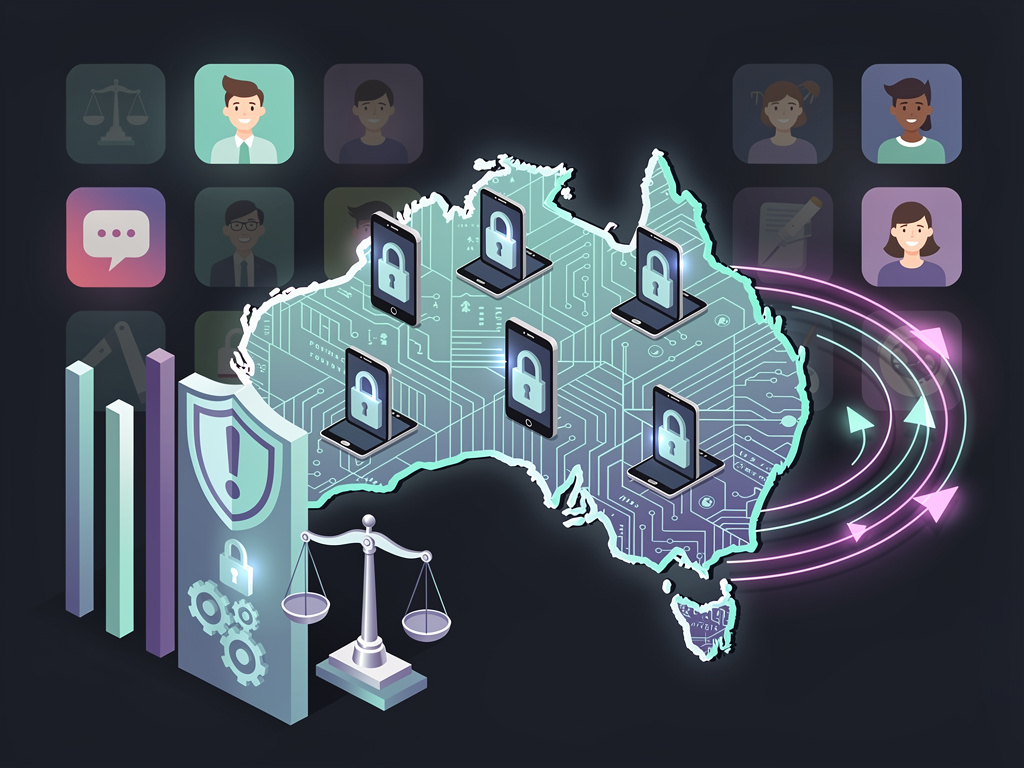
Australia’s bold experiment to bar children under 16 from social media has hit a wall. Four months after the law kicked in on December 10, 2025, a survey reveals most targeted teens remain online. More than 60% of kids who used platforms before the ban report continued access to at least one restricted site. TikTok, YouTube, and Instagram hold onto half their under-16 Australian users. Platforms took no action to block them, two-thirds of respondents say. Gizmodo broke the story on April 27, 2026, drawing from a YouthInsight and Molly Rose Foundation poll of 1,050 kids aged 12 to 15.
The Online Safety Amendment (Social Media Minimum Age) Act 2024 targets ten major services: TikTok, Facebook, Instagram, Threads, X, Snapchat, YouTube, Reddit, Kick, and Twitch. Tech firms must prevent underage accounts or face fines up to A$49.5 million—about $33 million USD—for systemic failures. Australia claims 5 million accounts deactivated by early 2026. Yet compliance falters. eSafety Commissioner Julie Inman Grant flagged ‘significant concerns’ with Meta’s Facebook and Instagram, Snapchat, TikTok, and YouTube. Her office shifted to enforcement mode in late March, eyeing legal action by mid-year. AP News detailed the demands for progress reports.
Teens find workarounds easy. VPNs. Fake birthdays. Parents’ IDs. Printed face masks to fool facial scans. Over 70% in one poll called bypassing simple. Half say the ban changes nothing for their online safety; 14% feel less secure, pushed to riskier corners of the web. Andy Burrows, Molly Rose Foundation CEO, warns the results ‘raise major questions about the effectiveness’ of the policy. He pushes for stronger Online Safety Act tools instead. Cybernews highlighted these evasion tactics in mid-April.
Parents paint a mixed picture. A Guardian survey of 900 found underage accounts dropped from 49% to 31% post-ban—progress, perhaps. But 69% of prior Instagram users kept access; similar for Snapchat and TikTok. Snap’s own research shows 73% parental support for the idea, yet only 11% believe it ‘definitely’ works. 70% think restrictions are simple to dodge; 62% spot implementation flaws, like kids already sneaking back on. The Guardian and Snap Values captured this skepticism.
Earlier polls hinted at trouble. ABC’s December 2025 survey of 17,000 under-16s showed 72% doubting the ban’s success; 70% opposed it outright. YouGov’s March data noted some parental optimism—43% saw more face-to-face chats—but that faded. By April, eSafety’s first compliance report decried ‘poor practices,’ like unlimited age-assurance retries. Platforms pledged fixes. Meta began purging under-16s via face scans or ID checks in November 2025. Still, gaps persist. Communications Minister Anika Wells blames companies, not the law. ABC News and YouGov tracked shifting views.
Government touts wins. No penalties for kids or parents—burden falls on firms. eSafety monitors signals like location to catch VPN dodges. Yet teens adapt fast. 27% shifted to unregulated sites, per one analysis. Critics argue bans drive users underground, away from moderated spaces. Vulnerable youth—LGBTIQ kids, abuse survivors—lose vital lifelines. Cato Institute’s Jessica Melugin calls it a failure: parents, not Canberra, should guide screen time. Reason critiqued the defiance.
But. Enforcement ramps up. Platforms face ‘escalating consequences,’ Grant vows—reputational hits alongside fines. Mid-year decisions loom. Snap reports parental pleas for better reporting tools; eSafety agrees they’re ‘ineffective and inaccessible’ now. ABC News aired frustrated parents in April, saying tech leaves them to enforce alone. BBC explained the mechanics back in January.
Global eyes watch. UK’s pondering similar. Canada’s Manitoba province banned social media and AI chatbots for youth. U.S. states mull age checks. Australia’s test case exposes flaws: tech-savvy kids outpace blunt rules. Fines might force better verification. Or spark an arms race of evasions. Platforms deactivated millions—yet retention stays high. Molly Rose’s April 26 briefing pegged 61% ongoing access for prior users. Half on TikTok, YouTube, Instagram specifically. No safety boost for most. Molly Rose Foundation (via Cybernews).
So where next? Tighter age tech. Algorithm tweaks for youth signals. Parental controls that stick. Lawmakers debate. Teens keep logging in. The ban reshapes habits for some. For many? Business as usual. Just sneakier.


 WebProNews is an iEntry Publication