
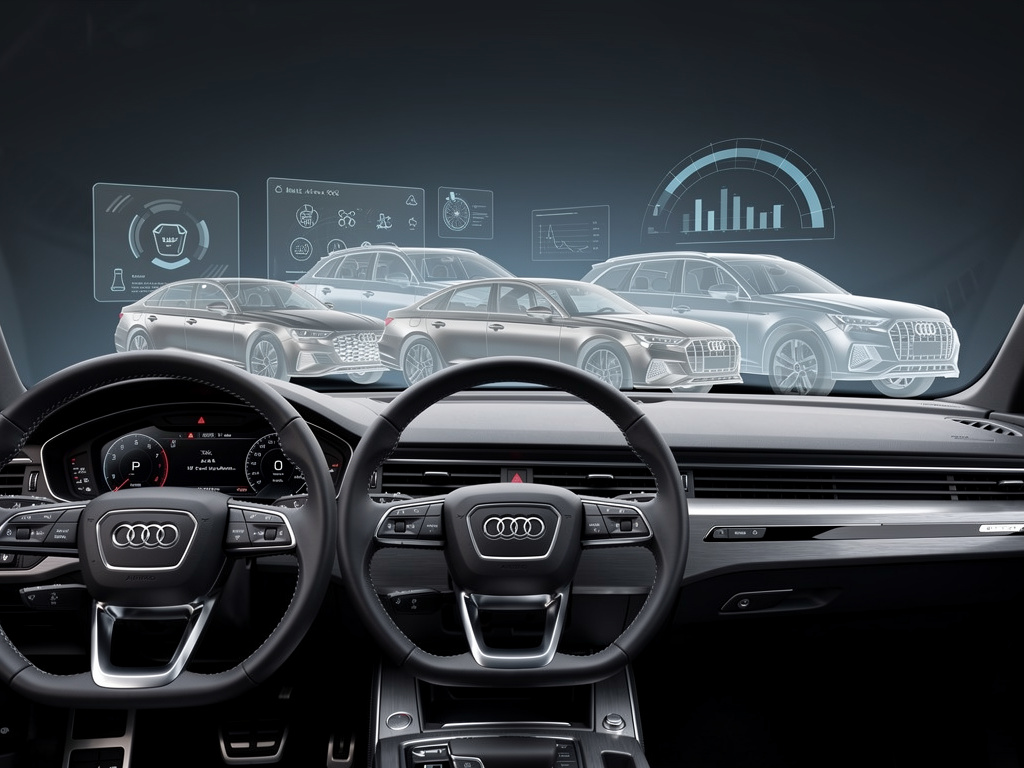
Audi’s Tactile Turn: Reviving Buttons Amid Tech Overhaul in Key Models
In a move that signals a subtle rebellion against the all-touchscreen era, Audi has announced sweeping updates to five of its core models, blending cutting-edge technology with a nod to tactile controls. The German automaker, part of the Volkswagen Group, is responding to customer feedback by reintroducing physical buttons in vehicles that had increasingly relied on sleek but sometimes frustrating touch interfaces. This shift comes as the industry grapples with balancing innovation and usability, particularly in an age where drivers demand seamless integration without distraction.
The updates target the A5, Q5, A6, A6 e-tron, and Q6 e-tron models, built on Audi’s Premium Platform Combustion (PPC) and Premium Platform Electric (PPE) architectures. According to a recent press release from the Audi MediaCenter, these changes include comprehensive hardware and software enhancements aimed at enhancing emotion, comfort, and features. Starting with the new model year, these vehicles will feature improved digital cockpits, advanced safety systems, and refined driving dynamics, all while addressing one of the most common complaints: the overreliance on touch-sensitive controls.
Industry insiders see this as a strategic pivot. For years, automakers like Audi have pushed toward minimalist interiors dominated by large screens, but user studies and feedback have highlighted issues with haptic interfaces, especially during high-speed driving. The return of physical buttons, particularly on the steering wheel, is expected to improve safety and user satisfaction. As reported in a piece by Autoblog, these upgrades are rolling out initially in Germany, with most features slated for American markets soon after.
From Touch to Tangible: The Button Revival
At the heart of these updates is the reintroduction of physical controls, a decision that Audi attributes to direct customer input. The new multifunction steering wheel now includes buttons and a scroll wheel, replacing some of the touch-sensitive surfaces that debuted in earlier models. This change is particularly evident in the virtual cockpit, where physical inputs allow for quicker adjustments to vehicle functions without taking eyes off the road.
A report from Drive describes this as a “U-turn” on touch-sensitive buttons, noting that Audi is restoring more user-friendly controls across multiple models. The scroll wheel, for instance, enables intuitive navigation through menus, similar to systems found in premium competitors like BMW’s iDrive. This isn’t just cosmetic; it’s a functional enhancement designed to reduce cognitive load, a critical factor in preventing accidents amid rising concerns over distracted driving.
Beyond the steering wheel, Audi is integrating these tactile elements into other areas, such as climate controls and infotainment shortcuts. The updates also include software tweaks that make the MMI infotainment system more responsive. Drawing from posts on X (formerly Twitter), users have expressed enthusiasm for this shift, with one automotive enthusiast noting how the return of buttons could make daily commutes less frustrating. Such sentiment echoes broader industry trends, where brands like Volvo and Mercedes have also dialed back on full-touch setups after similar feedback.
Platform Power: PPE and PPC Under the Hood
The foundation of these updates lies in Audi’s advanced platforms. The Premium Platform Electric (PPE), used in models like the A6 e-tron and Q6 e-tron, supports rapid charging and extended range, with the Q6 e-tron boasting up to 321 miles on a single charge according to EPA estimates. A blog post from Audi of Huntington highlights how this platform enables stunning designs and practical performance, including a 10% to 80% charge in just 21 minutes via DC fast chargers.
On the combustion side, the Premium Platform Combustion (PPC) underpins the A5, Q5, and A6, incorporating hybrid options and refined engines. These platforms allow for over-the-air updates, ensuring that vehicles can evolve post-purchase. For instance, the A5 now offers a plug-in hybrid variant with nearly 300 horsepower, as detailed in an X post from Autocar, blending a 2.0-liter turbo petrol engine with an electric motor for efficient yet powerful performance.
Safety features have also been bolstered. Enhanced adaptive cruise control, lane-keeping assist, and emergency braking systems are now standard, leveraging AI-driven sensors for better hazard detection. According to Not Just A Car, these dynamics upgrades modernize the driving experience, making the vehicles more agile and responsive on various terrains.
Infotainment Evolution: Screens Meet Substance
Audi’s infotainment system receives a major overhaul in these models. The MMI setup now features a dual-screen layout, with a primary display up to 14.5 inches and a secondary 10.1-inch screen for climate and comfort controls. This allows for native app integration, including YouTube and Spotify, alongside wireless Apple CarPlay and Android Auto.
Wireless charging, Amazon Alexa integration, and a mobile Wi-Fi hotspot come standard, catering to the connected driver. A recent X post from Audi Grapevine showcased the redesigned Q5’s digital cockpit, emphasizing its larger touchscreen and refreshed LED lighting, which contribute to a more immersive cabin environment.
However, the real innovation lies in personalization. Drivers can customize lighting signatures and interface themes, a feature first introduced with OLED technology in earlier models like the Q5, as referenced in an older Audi Official X post. This level of customization extends to the taillights, allowing for unique patterns that enhance visibility and style.
Market Implications: Competing in a Crowded Field
These updates position Audi strongly against rivals like BMW and Mercedes-Benz, who are also refining their tech offerings. In the electric segment, the A6 e-tron and Q6 e-tron compete directly with the BMW i4 and Mercedes EQE, offering comparable range and faster charging times. Industry analysts note that Audi’s focus on tactile controls could differentiate it in a market where user experience is becoming a key battleground.
From a global perspective, Audi is tailoring these features for key markets. In China, for example, the brand is introducing models on the Advanced Digital Platform (ADP) in collaboration with SAIC, as mentioned in an X post by Lei Xing. This includes pure-electric variants on the PPE platform, renewing the core lineup for 2026, according to Yicai’s reporting on X.
Customer reception has been positive, with early reviews praising the blend of innovation and practicality. A post on X from Mthuthuzeli Mpiti detailed how the upgrades add emotion and comfort, quoting Audi’s emphasis on comprehensive updates at the start of the new model year.
Challenges and Future Directions
Despite the enthusiasm, challenges remain. Implementing physical buttons requires retooling production lines, potentially increasing costs. Audi must ensure these changes don’t compromise the sleek aesthetics that define its brand. Moreover, as software becomes central, cybersecurity emerges as a concern, with over-the-air updates opening potential vulnerabilities.
Looking ahead, these updates hint at Audi’s broader strategy. The company is investing heavily in AI and autonomous driving tech, as evidenced by a recent X post from Automobilnews highlighting top innovations captivating the automotive world. Features like intelligent assistants in the 2026 lineup, per a Russpain post on X, suggest a future where vehicles anticipate driver needs.
Insiders speculate that this tactile revival could influence other manufacturers. If successful, it might encourage a industry-wide rethink of interior design, prioritizing ergonomics over gimmicks. Audi’s move underscores a maturing approach to technology integration, where user-centric design trumps novelty.
Driving Dynamics: Performance Enhancements
Performance hasn’t been overlooked in these updates. The Q5, for instance, now offers hybrid-only options, including a 362-horsepower V6 variant, as noted in an Autocar X post about the new model. This provides a balance of power and efficiency, appealing to enthusiasts who value spirited driving.
In electric models, regenerative braking and adaptive suspension improve handling. The A6 e-tron, with its aerodynamic design, achieves impressive efficiency, reducing energy consumption on long trips. These enhancements are part of Audi’s commitment to sustainable mobility without sacrificing excitement.
Feedback from test drives, shared across X, emphasizes how these changes make the vehicles feel more connected to the road. One user described the scroll wheel as a game-changer for quick adjustments, enhancing overall control.
Beyond the Cabin: Exterior and Safety Upgrades
Externally, the models feature refreshed styling with full-width LED taillight strips and adaptive headlights that adjust to conditions. These not only improve visibility but also add a signature Audi flair.
Safety integrations include advanced driver-assistance systems (ADAS) that use radar and cameras for proactive interventions. For critical sectors like transportation, these features align with regulatory pushes for safer vehicles.
As Audi rolls out these changes, the focus remains on holistic improvement. By blending tactile controls with high-tech features, the brand is crafting vehicles that feel both futuristic and familiar.
The Road Ahead for Audi’s Innovation
In the coming months, expect these updated models to hit showrooms, with pricing adjustments reflecting the enhancements. Early adopters will likely provide valuable data on real-world performance, shaping future iterations.
This overhaul reflects Audi’s agility in responding to market demands. By listening to customers and iterating on designs, the company maintains its edge in a competitive arena.
Ultimately, Audi’s decision to bring back buttons amid a tech surge demonstrates a nuanced understanding of human-machine interaction, setting a precedent for thoughtful automotive evolution.


 WebProNews is an iEntry Publication