
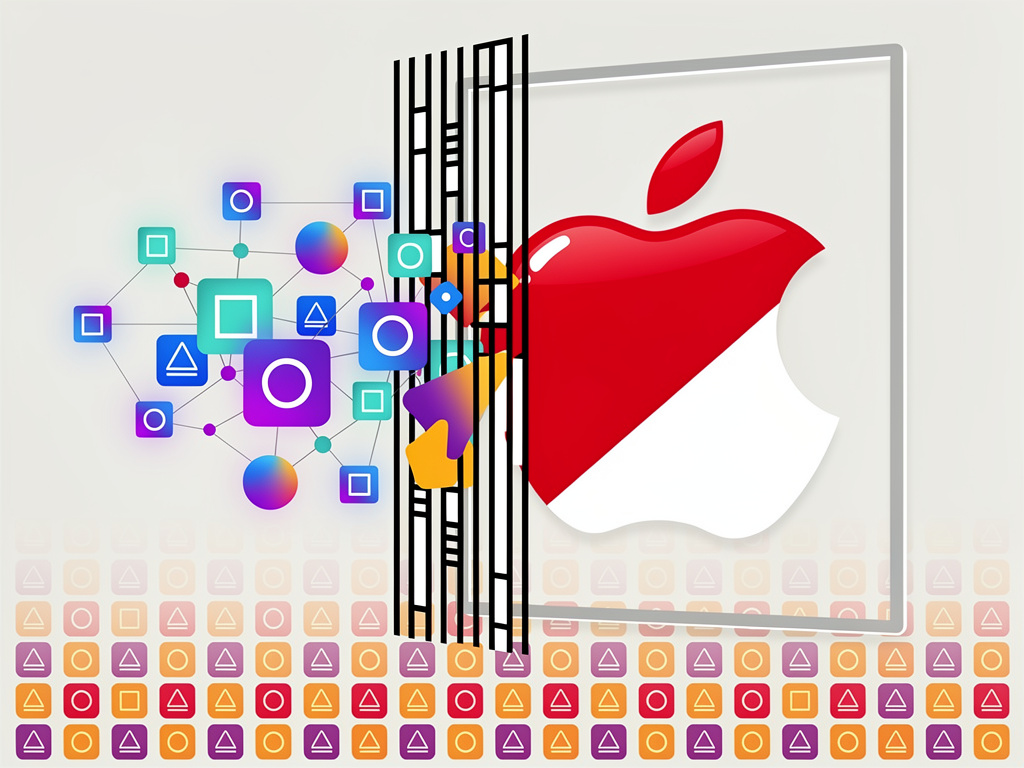
Apple’s App Store, long the gold standard for mobile software distribution, now stands as a barricade against a surge of AI-driven creation tools. Developers behind vibe-coding apps—those that let users conjure software from casual prompts like ‘build me a game about cats’—face outright blocks and removals. Guideline 2.5.2 sits at the heart of the fight. It forbids apps from downloading, installing, or executing code that alters their functionality post-review. Safety first, Apple insists. Unvetted code could harbor malware or glitches, endangering users’ devices.
Replit, a staple for years on iOS, saw updates halted. The company expressed surprise, noting it had complied with rules for a long stretch. ‘Surprised and disappointed,’ Replit stated, adding it’s in talks with Apple to fix things (Futurism, citing Financial Times). Anything faced worse. Approved once, yanked the next day. Founder Dhruv Amin vented frustration. ‘We’re in the dark,’ he told the FT. ‘Either they should stop enforcing the rules in this weird way, or they should update the guideline to let this use case emerge.’ Apple cited previews of user-generated apps as code execution violations. Strip those? App deemed too bare. A vicious loop.
The timeline tells a story. Mid-March 2026, whispers of blocks surfaced. Replit and Vibecode couldn’t push updates without gutting features (The Information). By late March, Anything vanished entirely (MacRumors). Apple clarified: no blanket ban on vibe coding. Just enforce existing rules. Developers must route previews to browsers or drop Apple-platform builds. Vibecode pivoted fast, rebranding from app builder to website tool (CNET).
But why now? Vibe coding exploded. App submissions spiked 84% in one quarter, over 550,000 new ones in 2025—the decade’s peak. Many AI-spun, flooding reviewers. Apple generated $109 billion in services revenue last year, margins north of 75%. Vibe tools threaten that. Build once, deploy to web. No 30% cut. No App Store middleman. Critics smell protectionism. While blocking rivals, Apple baked AI coding into Xcode, partnering with Anthropic and OpenAI. Build with AI? Fine, if it’s our garden.
Developers adapt. Or evade. Anything shifted building to iMessage after App Store ouster. ‘Good luck removing this one, Apple,’ the company posted on X (X post). Bloom called it a block on personal software for iPhone users. Startups eye web apps, PWAs, desktops. TechCrunch detailed Anything’s pivot: desktop versions for mobile builds (TechCrunch). Replit holds browser roots. No iOS lock-in.
Risks are real, though. AI code can misfire—bugs, exploits. Apple points to unreviewable code as the peril. Guideline carve-outs exist for education apps, where code is editable. But vibe tools target everyone: hobbyists, pros. Non-coders birthing apps. Mashable noted Apple’s hammer on Anything for promising native iOS exports (Mashable). 9to5Mac highlighted self-containment rules (9to5Mac).
Pressure mounts. CNBC opined Apple risks history’s wrong side, stifling builders (CNBC). X buzzes with defiance. ‘The walled garden vs AI builders war is here,’ one post read. Startups demand clarity. Apple stays mum on reversals.
So where next? Talks continue. Replit negotiates. Others reroute. Vibe coding won’t vanish—it’s too potent. iPhone users might wait longer for it. Apple holds the keys. Builders knock. The gate creaks, but holds firm. For now.


 WebProNews is an iEntry Publication