
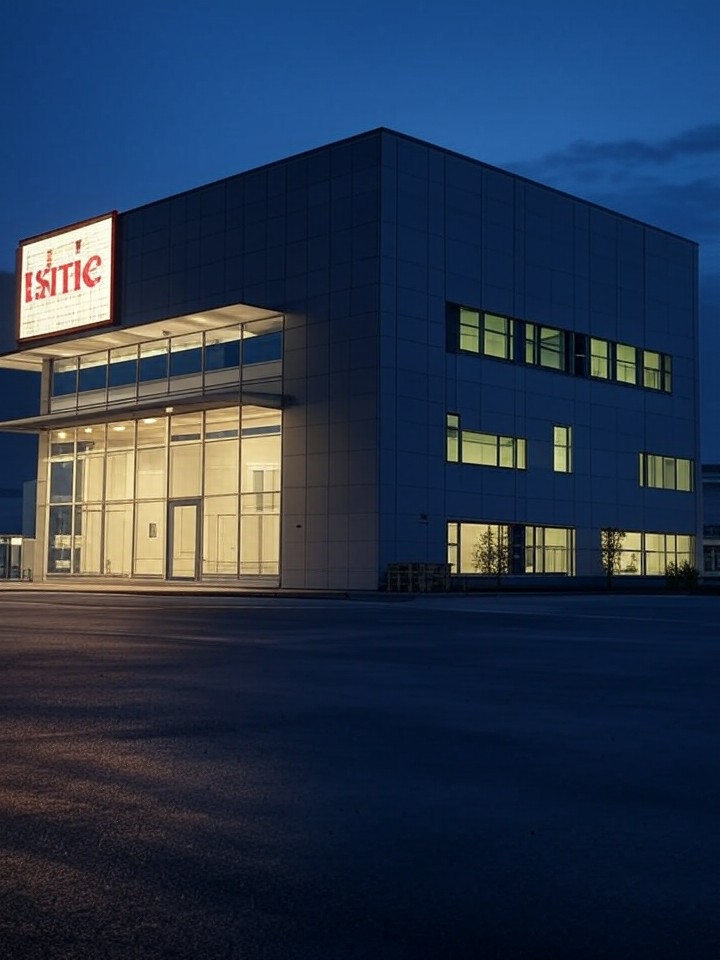
In the high-stakes world of semiconductor manufacturing, a quiet power shift is underway. Apple Inc., long the dominant force dictating the pace of innovation at Taiwan Semiconductor Manufacturing Co. (TSMC), is finding its grip loosening as artificial intelligence surges to the forefront. A recent report highlights how the explosive demand for AI chips is reshaping alliances in the industry, potentially diminishing Apple’s once-unrivaled sway over the world’s leading chip foundry. This evolution stems from TSMC’s latest earnings, which soared beyond expectations in the fourth quarter of 2025, fueled largely by AI processor orders rather than Apple’s traditional smartphone and computing chips.
The partnership between Apple and TSMC has been a cornerstone of modern tech advancement. Starting with the A8 chip in 2014, Apple committed massive volumes to TSMC’s cutting-edge nodes, effectively bankrolling the development of new manufacturing processes. This relationship not only propelled TSMC to the top but also set the standard for how foundries operate, with Apple often securing priority access and influencing node designs. However, as AI applications explode—driven by companies like Nvidia Corp. and Advanced Micro Devices Inc.—the balance is tilting. TSMC’s revenue jumped over 20% in Q4 2025, with AI-related demand cited as the primary driver, according to reports from industry observers.
This shift isn’t just about numbers; it’s a fundamental change in who funds and directs technological progress. Where Apple once accounted for a lion’s share of TSMC’s advanced capacity, AI players are now stepping up with voracious appetites for the smallest, most efficient nodes. Insiders note that this diversification allows TSMC to spread risks and invest in broader innovations, reducing reliance on any single client. Yet for Apple, which has built its empire on bespoke silicon like the M-series and A-series chips, this could mean tougher negotiations and less control over timelines.
The Historical Backbone of a Tech Empire
Delving deeper, the Apple-TSMC alliance traces back to a pivotal moment when Apple sought independence from rivals like Samsung Electronics Co. By pouring resources into TSMC, Apple ensured a steady supply of high-performance chips tailored to its ecosystem. A comprehensive analysis in SemiAnalysis details how this commitment created the modern foundry model, with Apple funding early node development and reaping the benefits in products like the iPhone. This symbiotic tie has yielded dividends, but the rise of AI is introducing new variables.
AI’s ascent is propelled by the need for immense computational power, far beyond what’s required for consumer devices. Nvidia’s data center chips, for instance, consume vast wafer capacities at TSMC’s most advanced facilities. Recent posts on X from industry analysts underscore this trend, with sentiment pointing to AI as the new growth engine, potentially eclipsing smartphone-driven demand. TSMC’s own projections for 2026 highlight scaling AI infrastructure, as noted in market analyses, positioning the company to capitalize on this boom.
Apple isn’t standing still. The company has been ramping up its AI efforts, restructuring teams and reserving significant 2nm capacity at TSMC through 2026 to maintain an edge. Media reports indicate Apple aims to deprive competitors of this technology, securing over half of TSMC’s initial 2nm output. Yet, even as Apple develops AI server processors on 3nm processes, the sheer scale of AI demand from other quarters is diluting its leverage.
AI’s Insatiable Hunger for Silicon
The economics of chip production reveal why AI is gaining ground. Advanced nodes like 3nm and below require billions in R&D, and AI customers are willing to pay premiums for performance gains in training large language models. A report from MacRumors argues that while Apple pioneered this funding model, AI firms are now the ones subsidizing next-generation tech. TSMC’s Q4 2025 earnings, detailed in AppleInsider, show revenue spikes from AI processors integrated into devices like the iPhone, but the bulk of growth comes from non-Apple sources.
This dynamic is evident in TSMC’s customer mix projections for 2026. Posts on X from market watchers suggest Nvidia could become TSMC’s largest client, commanding around 20% of revenue, while Apple’s share slips to about 16%. Broadcom Inc. and others are also ramping up, driven by custom silicon for AI applications. Such shifts mean TSMC can prioritize high-margin AI orders when capacity tightens, potentially delaying Apple’s ramps.
Moreover, regulatory and geopolitical factors add layers of complexity. With U.S. policies under the Trump administration favoring unfettered tech growth, as covered in The New York Times, TSMC benefits from expanded U.S. facilities. Yet tensions with China pose risks, influencing how capacity is allocated globally. Apple, heavily invested in TSMC’s Taiwan operations, must navigate these waters carefully.
Strategic Moves and Future Gambits
Apple’s response includes aggressive reservations for emerging technologies. Reports indicate the company has locked in orders for TSMC’s A16 angstrom process, collaborating with entities like OpenAI to develop chips. This forward-thinking approach, highlighted in X discussions, aims to integrate AI deeply into Apple’s ecosystem, from iPads to servers. By 2026, Apple’s A20 chips are expected to leverage advanced packaging like Wafer Level Multi-Chip Module, ramping at TSMC’s facilities.
However, the competition is fierce. TSMC’s official start of 2nm volume production in Q4 2025, as reported by Taipei Times, opens doors for multiple players. AI’s scalability demands—outlined in analyses like those from AInvest—position TSMC as the linchpin, with positive yield surprises benefiting Nvidia and Apple alike. Yet, as SemiAnalysis points out, the power dynamics are shifting toward those who drive the most wafer demand.
Insiders speculate that Apple’s internal AI team, larger than publicly reported and restructured in 2025 per AppleInsider insights, is gearing up for a 2026 relaunch. This could reinforce Apple’s position, but it requires TSMC’s cooperation amid competing priorities. The company’s strategy of reserving massive capacities—over 50% of 2nm through 2026—mirrors past tactics but faces pushback from a more diversified client base.
Ripples Across the Industry Ecosystem
The broader implications extend to stock valuations and investment strategies. Analysts view TSMC as a top AI pure-play stock for 2026, per Yahoo Finance, benefiting regardless of which AI giants prevail. Apple’s stock, while resilient, may feel pressure if influence wanes, as evidenced by X sentiment around diminishing leverage.
Geopolitical undercurrents further complicate matters. TSMC’s expansion into the U.S. and Japan diversifies risks, but Apple’s heavy reliance on Taiwanese production exposes vulnerabilities. Reports from The Tech Portal note TSMC’s 20% revenue gain in Q4 2025, underscoring AI’s role in buffering against slowdowns in consumer electronics.
For industry players, this evolution signals a more collaborative yet competitive environment. Apple’s historical edge stemmed from scale, but AI introduces hyperscale needs that dwarf even iPhone volumes. As MacRumors details, the corrosion of influence isn’t abrupt but a gradual realignment driven by technological imperatives.
Navigating the New Power Balance
Looking ahead, TSMC’s 2026 outlook, as previewed in Financial Content, emphasizes AI infrastructure scaling. This could elevate Nvidia’s role, with packaging capacity expansions directly boosting its data center revenues. Apple, meanwhile, must innovate faster, perhaps through deeper AI integrations in its platforms.
Challenges abound, including yield optimizations and supply chain strains. X posts from experts like those tracking wafer demand models highlight how high-performance computing now overshadows smartphones in TSMC’s priorities, impacting gross margins.
Ultimately, this shift benefits the sector by fostering innovation diversity. Apple may adapt by forging even closer ties or exploring alternatives, but the era of unilateral dominance appears to be fading. As SemiAnalysis frames it, AI is reshaping foundry economics, compelling all players to recalibrate.
Emerging Alliances and Long-Term Visions
Emerging alliances could redefine boundaries. Apple’s reported development of AI server chips on TSMC’s 3nm, targeting mass production in late 2025, positions it as a contender in enterprise AI. Yet, with OpenAI also reserving advanced nodes, collaborations might blur competitive lines.
Industry forums echo concerns over capacity crunches. TSMC’s projected revenue mix, as discussed on X, shows a fragmented client base where no single entity holds sway. This democratization could accelerate advancements but heighten rivalries.
In this evolving arena, TSMC emerges stronger, its role as the backbone of advanced computing solidified. For Apple, maintaining relevance demands agility, leveraging its ecosystem strengths while ceding some control. The interplay between AI’s rise and established powers like Apple will define the next decade of technological progress, with TSMC at the epicenter.


 WebProNews is an iEntry Publication