
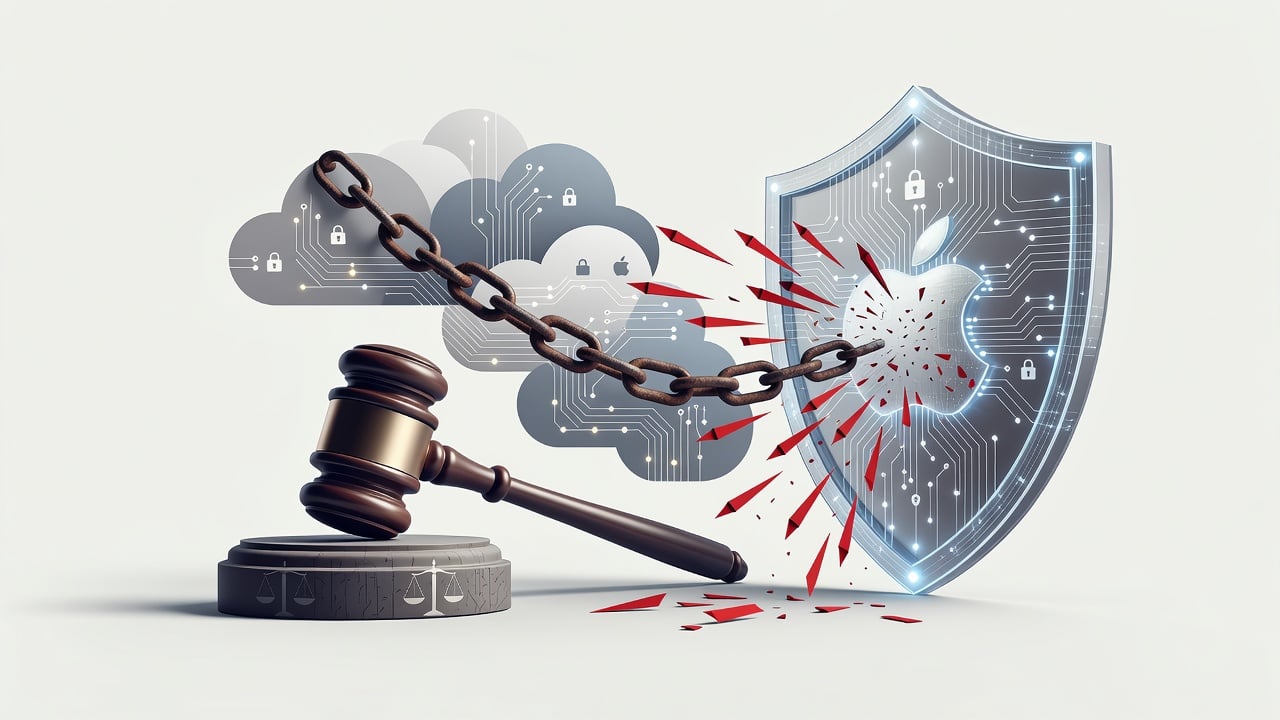
A federal judge in California delivered a decisive win to Apple this week. She tossed out a massive proposed class-action lawsuit that accused the company of allowing child sexual abuse material to proliferate on its iCloud storage service. The ruling, handed down July 14, rests squarely on a 1996 law that has become a bulwark for internet platforms. Section 230 of the Communications Decency Act grants broad immunity to companies for content created by their users.
The decision comes as pressure mounts on technology firms to do more against online exploitation. Yet it also underscores the challenges of forcing change through the courts. U.S. District Judge Noël Wise in San Jose wrote that nothing in federal law requires Apple to proactively scan for or report such material. “Lawmakers can fix this problem that is contributing to the exploitation of children,” she stated, according to Reuters. “This Court cannot.”
The suit, filed in 2024, sought up to $32.8 billion in damages on behalf of more than 2,600 alleged victims. Two plaintiffs using the pseudonyms Amy and Jessica led the effort. They claimed Apple knew about the rampant presence of illegal images and videos on iCloud but failed to deploy available detection tools. End-to-end encryption on the service, they argued, made it difficult for law enforcement or the company itself to intervene. Years-old images of their abuse allegedly continued to circulate.
But the claims ran headlong into Section 230 protections. The judge determined that the lawsuit treated Apple as the publisher of user-generated content. That placed it firmly within the law’s shield. The case was dismissed with prejudice. Plaintiffs cannot refile. Bloomberg Law noted this marks another defeat for similar claims against the tech giant, highlighting Apple’s repeated success in fending off such actions.
Apple has long emphasized its commitment to user privacy. In 2021 the company announced plans for a system called NeuralHash. It would have scanned iCloud photos for known child sexual abuse material without accessing the actual images. Backlash was swift. Critics warned of privacy risks and potential abuse of the technology. Apple abandoned the project in 2022. It opted instead for other methods to combat the issue while preserving encryption. The company did not immediately respond to requests for comment on the latest ruling.
Plaintiffs’ attorney James Marsh pushed back on the legal conclusion but aligned with the judge on the need for action. “While the plaintiffs disagree with the judge’s conclusion on the law, we agree with her conclusion that Congress should do more to protect children online and address the skyrocketing harms from online exploitation,” Marsh told Reuters. The team is reviewing the opinion and weighing an appeal or alternative legal strategies.
This isn’t Apple’s only battle on the topic. In February, West Virginia Attorney General JB McCuskey sued the company. He alleged iCloud facilitated the storage and distribution of child sexual abuse material. That case, described as the first of its kind brought by a state government, remains ongoing. The New York Times has covered these developments, noting how iCloud’s privacy features create tension with child safety goals.
The ruling arrives at a moment when Section 230 faces fresh scrutiny. Courts have begun carving out exceptions in cases involving product design choices that allegedly enable harm. Meta and YouTube recently faced judgments totaling hundreds of millions after plaintiffs bypassed the immunity by focusing on algorithmic recommendations rather than content moderation. Yet in this instance, the claims centered too directly on hosting and failing to remove user content. Immunity applied.
Child safety advocates express frustration. They point to the explosion of such material online. Tech companies possess the tools. Many argue they should bear some responsibility. But privacy advocates counter that mandatory scanning risks mass surveillance and false positives. Apple’s 2021 proposal illustrated the trade-offs. It sparked a fierce debate that ultimately led the company to prioritize encryption.
Congress has talked about reforming Section 230 for years. Bills have targeted protections for child exploitation cases. None have passed with enough momentum to change the landscape fundamentally. The judge’s words place the ball in lawmakers’ court. Whether they will act remains uncertain. Tech companies, meanwhile, continue to tout voluntary efforts. Apple says it works hard to eliminate risks without compromising core principles.
The plaintiffs’ experience highlights the human cost. Amy and Jessica represent thousands. Their abuse material allegedly lingered in the cloud. Perpetrators could access and share it easily. Encryption that protects ordinary users also shields criminals. Breaking that encryption for scanning purposes carries its own dangers. Law enforcement has criticized Apple for expanding end-to-end protections.
Recent coverage reinforces the pattern. A CNN report detailed how the judge placed responsibility on lawmakers rather than the company. Similar stories from Bloomberg Law and others emphasize the precedent. This dismissal follows an earlier version of the complaint that was also challenged. The amended filing met the same fate.
Broader questions linger for the industry. How far must companies go to detect illegal content without invading privacy? Should Section 230 immunity extend to deliberate design decisions that favor encryption over scanning? These suits test the boundaries. So far, Apple has prevailed.
Marsh’s team sees urgency in legislative fixes. So does the judge. But in the absence of new laws, platforms enjoy significant leeway. The $32.8 billion demand won’t proceed. Victims may seek other avenues. Apple maintains its approach balances safety and privacy. The debate shows no signs of fading.
And the implications extend beyond one company. Other cloud providers and messaging services watch closely. Any shift in liability could reshape product roadmaps. For now, the status quo holds. Courts defer to Congress. Congress has yet to deliver sweeping change.
Short term. Apple breathes easier. Long term. The pressure builds. Child exploitation online isn’t vanishing. Neither is the tension between privacy and protection. This ruling clarifies the current legal lines. It doesn’t resolve the underlying societal challenge.


 WebProNews is an iEntry Publication