
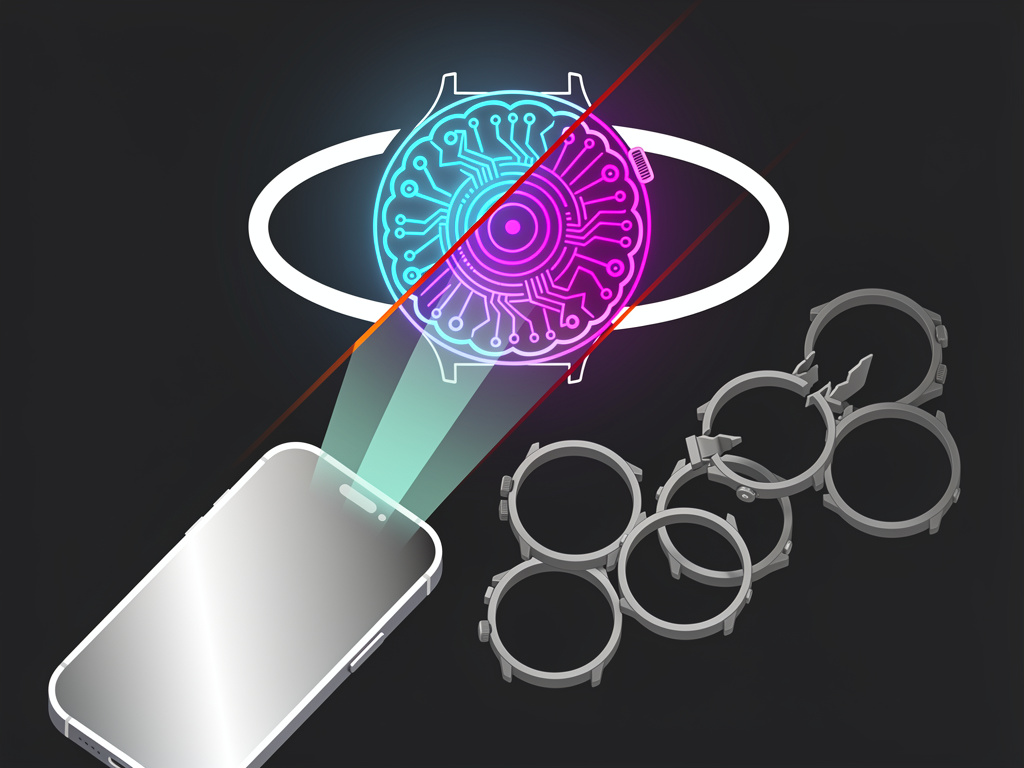
Apple just drew a hard line on its smartest watch feature yet. Owners of Apple Watch Series 8, the first-generation Ultra, SE 2 and anything older now face a stark choice. Upgrade soon. Or watch from the sidelines as the new conversational Siri AI rolls out this fall on watchOS 27.
The decision stunned longtime users. Devices bought as recently as 2022 or 2023 suddenly sit on the wrong side of compatibility. And Apple offers no detailed technical justification. Just a vague nod to performance.
Hardware Demands Drive the Split
Only Apple Watch Series 9 and newer, Ultra 2 and later, plus the SE 3 qualify for the full watchOS 27 experience. That includes the revamped Siri AI. According to Apple’s official announcement, these models must pair with an Apple Intelligence-capable iPhone nearby. The list matches exactly what appeared after WWDC 2026.
Contrast that with prior updates. watchOS 26 supported everything from Series 6 onward, the SE 2 and all Ultra versions. This time Apple dropped three years of hardware in one stroke. MacRumors reported the change as the biggest single-year loss of support in Apple Watch history. Forums lit up with frustration. One user stared at a four-year-old $800 Ultra 1 with a $205 trade-in offer. Another called it planned obsolescence.
The gap traces to silicon. Series 8 and the original Ultra rely on the S8 chip with its 2-core Neural Engine. Series 9 introduced the S9 with a 4-core version that runs machine learning tasks twice as fast. On-device Siri requests and the double-tap gesture arrived with that upgrade. Newer S10 chips build on the same foundation. AppleInsider detailed how the hardware difference offers a plausible but unconfirmed reason for the cutoff.
Yet Apple won’t say it outright. In a June 19 interview, Apple Watch and Health Product Marketing Manager Cait Dooley told TechRadar that the company prioritizes power and performance in every release. “Siri AI works best on newer hardware,” she repeated. No mention of neural cores, memory constraints or specific on-device processing thresholds. The response satisfied no one who owns an excluded device.
Here’s the rub. Siri AI on the watch isn’t fully standalone. It depends on a nearby iPhone running Apple Intelligence. That iPhone handles much of the heavy computation. So why exclude watches with capable enough chips to relay requests? Apple has stayed silent on the precise math. The decision feels arbitrary to critics. But it aligns with a pattern. New AI features increasingly demand the latest silicon across Apple’s lineup.
Craig Federighi, Apple’s senior vice president of Software Engineering, described the broader vision in the company’s WWDC release. “We’re delivering the next generation of Apple Intelligence across our platforms; introducing Siri AI, a profoundly more intelligent, knowledgeable, and capable Siri.” On the watch that translates to context-aware answers drawn from personal data. Siri AI can reference recent messages, calendar entries or photos. It suggests apps in a dynamic grid. A new tap gesture opens widgets. The consolidated Find My app simplifies tracking.
But none of that reaches the older watches. Their owners stay on watchOS 26. Security patches may continue for a while. Full new features will not. And the gap widens with each subsequent update.
Analysts point to the Neural Engine as the real gatekeeper. TechRadar concluded after Apple’s comments that only S9 and S10 chips can meet the technical demands of the new Siri. The publication stopped short of calling it on-device only. Still, the inference is clear. Local processing for speed and privacy requires that extra power. Server offload through the paired iPhone helps but doesn’t solve every latency or battery concern on older hardware.
Recent coverage echoes the confusion. The New York Post highlighted how many owners feel pressured to replace watches purchased just a few years ago. Some paid premium prices for the original Ultra expecting years of support. Now it ends early. Similar stories appeared across tech sites in the days after WWDC, with little new clarity from Cupertino.
Developers gain early access through a future watchOS 27 beta. Consumers see the Siri AI beta later this year, starting in English. Expansion to more languages follows. Yet the device list remains fixed. No last-minute reprieve appears likely.
So what should owners of excluded watches do? Some will trade in and buy supported models. Others plan to keep using their current devices until battery life or major breakage forces a change. The watches still track activity, show notifications and run basic Siri commands. They simply miss the conversational leap.
Apple bets that the new capabilities justify the split. More natural voice interactions. Better personal context. Faster, more delightful experiences overall. Federighi promised software that feels faster and more reliable. For those on the right hardware, it probably will.
For everyone else the message lands differently. Buy the newest product if you want the newest features. The era of long support windows for premium wearables may have narrowed. And Apple offered no detailed roadmap to soften the blow.
That silence leaves a sour taste. Users invested in the platform expected clearer communication. A simple sentence on neural processing requirements or memory needs could have helped. Instead they received marketing language about performance priorities. The gap between technical reality and public explanation feels wider than the chip difference itself.
WatchOS 27 arrives this fall. The new Siri AI beta follows. Millions of older Apple Watches will keep ticking. They just won’t join the conversation.


 WebProNews is an iEntry Publication