
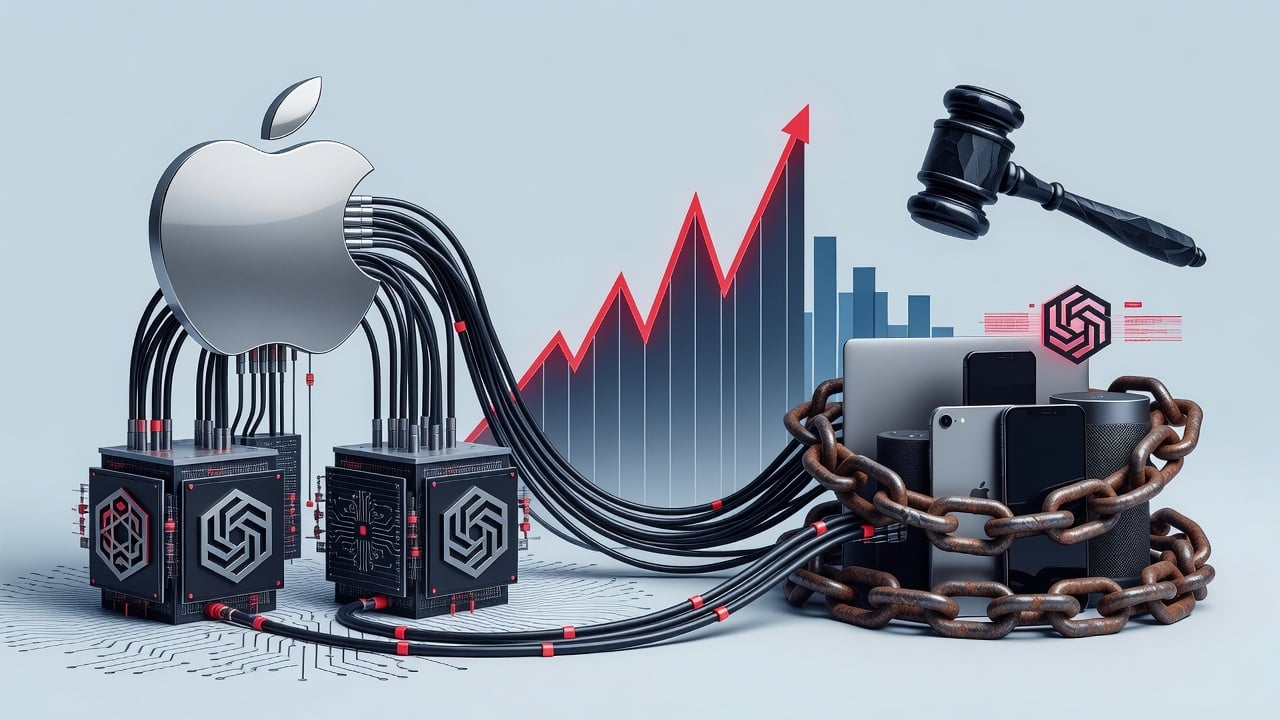
Apple finds itself squeezed between exploding component prices and strict national-security rules. The company has opened talks to buy memory chips from two Chinese suppliers blacklisted by the Pentagon. Those discussions target devices sold only inside China. Yet the move carries heavy political and reputational weight.
Global demand for high-bandwidth memory used in AI data centers has diverted production away from standard DRAM and NAND. Major suppliers Samsung, SK Hynix and Micron shifted capacity. The result hit consumer electronics hard. Contract prices for standard DRAM jumped 55 to 60 percent in early 2026. Yahoo Finance reported the surge left tech firms scrambling for supply through 2027.
Apple responded with rare price increases. It raised retail prices up to 20 percent on MacBooks, iPads and Vision Pro units worldwide. The company could no longer absorb the added costs. Reports confirm the hikes followed weeks of supplier negotiations that yielded little relief. Reuters noted Apple lifted iPad and MacBook tags on a single Thursday as the pressure became unsustainable.
The two Chinese firms in focus are ChangXin Memory Technologies, known as CXMT, and Yangtze Memory Technologies Co., or YMTC. Both appear on the U.S. Defense Department’s Section 1260H list. That roster flags companies viewed as aiding Beijing’s military modernization. The designation creates no outright ban on commercial purchases. Still, it signals clear risk.
Apple has lobbied the Trump administration for assurances. Chief Executive Tim Cook personally reached out to officials, including Treasury Secretary Scott Bessent. The goal is simple. The company wants guarantees that new multi-year contracts will not trigger stricter sanctions. Placing either supplier on the Commerce Department’s Entity List would block trade entirely and require licenses almost certain to be denied. Yahoo Finance detailed these concerns based on people familiar with the talks. No final deals have been signed.
Earlier reporting from the Financial Times first highlighted Apple’s request for an exception on CXMT purchases. The iPhone maker approached the Commerce Department more than a month before that story broke. Discussions extended to other administration figures. Yet silence from the White House so far leaves the situation unresolved.
Congressional pushback arrived quickly. Rep. John Moolenaar, chairman of the House Select Committee on the Strategic Competition Between the United States and the Chinese Communist Party, issued a blunt warning. “Apple choosing to partner with a Chinese military company would be a grave mistake,” he said. “Helping the Chinese Communist Party succeed in its plans to dominate critical supply chains will make our country’s tech industry and economy more dependent on China at a time when we must build secure tech supply chains with our allies.” The Verge carried his full statement.
This is not Apple’s first brush with these suppliers. In 2022 the company considered YMTC chips for iPhones sold in China. Backlash from lawmakers including then-Sen. Marco Rubio followed. The idea faded. Today’s environment looks more urgent. AI demand shows no sign of easing. Memory shortages could linger.
Adding CXMT and YMTC would expand Apple’s memory options to five suppliers. It already works with Samsung, SK Hynix and Micron. Chinese vendors can price DRAM and NAND as much as 30 percent below incumbents, according to supply-chain sources cited by CNBC analysts. That discount matters when every percentage point of margin counts across hundreds of millions of devices.
But price is only part of the story. CXMT specializes in DRAM. YMTC focuses on 3D NAND flash. Both received heavy state backing as China pushes self-sufficiency in semiconductors. Their Pentagon listing reflects U.S. fears that civilian production feeds military advances. Any volume purchase by Apple would draw fresh scrutiny from export-control officials and intelligence committees.
Even without an Entity List designation, reputational damage could follow. Shareholders, U.S. customers and allies might question deeper ties to flagged Chinese firms. Apple has spent years marketing itself as a steward of privacy and security. Those claims become harder to maintain if critics paint the company as subsidizing Beijing’s chip ambitions.
Tim Cook’s outreach to the Trump team fits a broader pattern. He has attended events, offered symbolic gifts and stressed shared economic interests. Yet the memory file tests how much flexibility Washington will grant. One person briefed on the matter told Bloomberg that securing physical supply ranks above all else right now. Cost control comes second.
Industry watchers note the bind facing every large tech buyer. Data-center operators hoard HBM. Consumer DRAM falls by the wayside. New fabrication capacity takes years to build and bring online. In the interim, Apple and its peers hunt for any qualified source. Chinese firms have scaled output rapidly. CXMT prepares for what could become one of mainland China’s largest initial public offerings in years. YMTC holds roughly 13 percent of the global NAND market while CXMT claims about 8 percent of DRAM, per Counterpoint Research figures referenced across recent coverage.
Legal nuances complicate the picture. The 1260H list triggers investment restrictions for certain U.S. pension funds and creates a political scarlet letter. It does not, however, outlaw ordinary commerce. Apple can sign purchase orders today. The fear centers on future escalation. A sudden rule change would strand inventory plans and expose the company to contract penalties or lost market access in China itself.
Recent social media reaction on X shows divided sentiment. Some users call the strategy pragmatic cost management. Others label it a security compromise that rewards military-linked producers. AppleInsider’s own post summarizing the situation drew thousands of views within hours, reflecting broad interest. No official Apple statement has clarified the talks.
The episode underscores deeper fractures in global semiconductor supply. Decades of offshoring left Western governments uneasy about concentration in Asia. Massive AI investment now amplifies that vulnerability. Every major buyer faces the same math. Secure supply at acceptable cost grows scarce. Political red lines multiply.
Apple’s next steps remain unclear. Negotiations continue. Government response could arrive quietly or through public letters. Lawmakers have already signaled strong opposition. If approval comes with conditions, those restrictions might limit volumes or require extra audits. Rejection would keep pressure on prices and force further product cost adjustments or margin hits.
Either outcome reveals the tightrope. Apple must balance shareholder returns, customer satisfaction and compliance with U.S. policy. The memory crunch will not vanish quickly. New fabs from Micron and others will take time. Chinese capacity offers immediate relief yet carries long-term strategic costs. For an icon of American innovation, the choice feels particularly stark.
Analysts expect the situation to test relations between Silicon Valley and Washington in the months ahead. Similar pressures face other device makers and PC manufacturers. How Apple handles this file may set precedents for the industry. The coming weeks will show whether cost containment or security concerns prevail.


 WebProNews is an iEntry Publication