
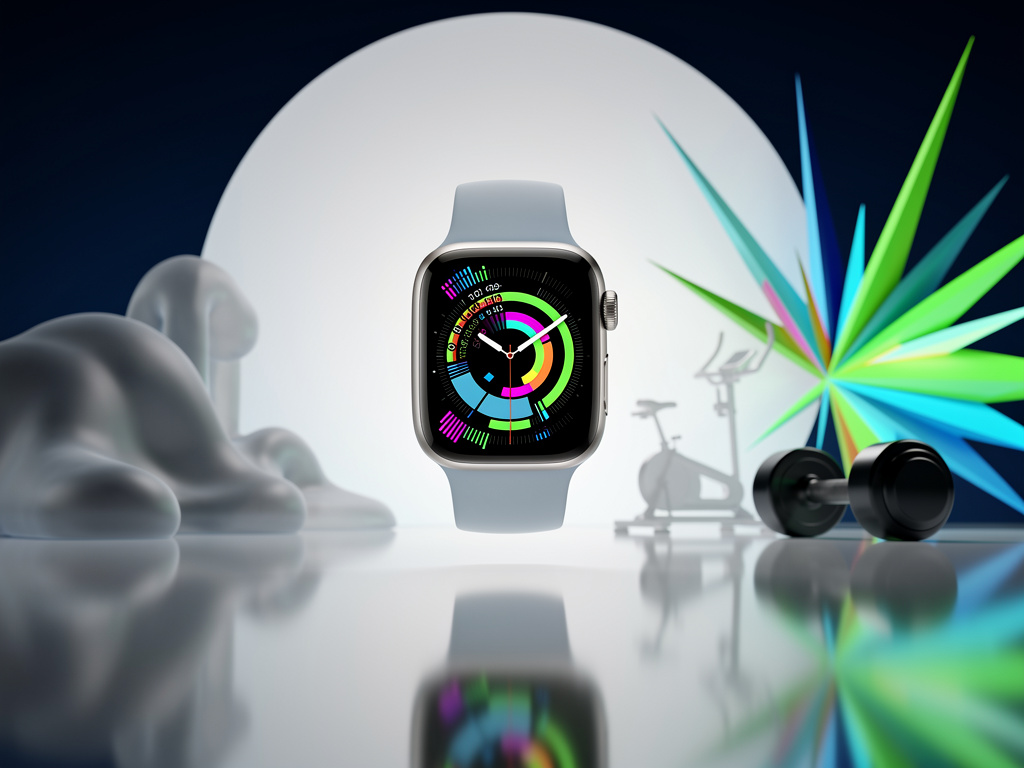
Apple’s Wrist-Bound Coach: Decoding the ‘Quit Quitting’ Ads and the Future of Wearable Motivation
Apple’s latest advertising push for the Apple Watch is more than just a seasonal nod to New Year’s resolutions—it’s a calculated strike at the heart of fitness fatigue. As the calendar flips to 2026, the tech giant has unveiled a series of spots under the “Quit Quitting” banner, portraying the smartwatch as an unrelenting ally against the temptation to slack off. These ads, shared across social media, show users literally fleeing from symbols of laziness like beds and bar stools, all while the Apple Watch chimes in with real-time encouragement.
The campaign arrives at a pivotal moment when millions are vowing to get in shape, only to falter by what’s known as “Quitters Day” in mid-January. Apple’s messaging cleverly taps into this cycle, positioning the device not just as a tracker, but as a virtual personal trainer that nudges users through workouts with pace updates, activity ring closures, and motivational alerts. This isn’t Apple’s first foray into fitness marketing, but it feels particularly timely amid growing competition in the wearable sector.
Drawing from recent coverage, the ads highlight features like the Workout app, which provides segmented feedback during runs, helping users maintain momentum. As reported in Digital Trends, the spots emphasize how the Apple Watch keeps users “motivated and moving,” transforming passive tracking into active coaching.
The Motivational Mechanics Behind the Screen
At the core of these advertisements is a showcase of the Apple Watch’s evolving software ecosystem. The device’s ability to deliver haptic feedback and voice-guided prompts during exercises mimics the role of a human trainer, urging wearers to push harder or celebrate small victories. This integration of hardware and software has been refined over years, with updates like watchOS enhancing personalization.
Industry observers note that Apple’s strategy here aligns with broader trends in health tech, where data-driven insights are king. For instance, the Apple Watch can analyze heart rate variability, sleep patterns, and even detect irregular rhythms, feeding into a holistic view of wellness. The “Quit Quitting” ads cleverly weave these capabilities into narrative vignettes, making the technology feel approachable rather than overwhelming.
Posts on X, formerly Twitter, reflect a mix of enthusiasm and skepticism from users. Some praise the watch for its role in sustaining habits, with one fitness app developer highlighting recent updates that integrate heart rate tracking with accessories like AirPods Pro. Others, however, question whether such digital nudges can truly replace the accountability of a real gym buddy.
Evolution of Apple’s Fitness Empire
Apple’s journey into fitness motivation didn’t start with these ads. Back in 2020, the company launched Apple Fitness+, a subscription service offering video workouts synced with the Apple Watch. As detailed in historical posts from Bloomberg on X, this move integrated on-demand classes with real-time metrics displayed on iPhone or Apple TV, creating a seamless ecosystem.
Fast forward to today, and the “Quit Quitting” campaign builds on that foundation. According to MacRumors, the new spots are timed perfectly ahead of 2026, featuring scenarios where users escape sedentary traps, underscored by the watch’s alerts. This narrative reinforces Apple’s positioning of the device as essential for long-term commitment.
Moreover, recent teases from Apple suggest even bigger developments for Fitness+. A post on the service’s Instagram, as covered in another MacRumors piece, hints at “big plans” for the new year, possibly including expanded trainer-led content or AI-enhanced personalization. Such innovations could further blur the lines between wearable tech and professional coaching.
Competitive Pressures and Market Dynamics
In a crowded field of fitness wearables, Apple’s campaign stands out by focusing on emotional resonance rather than raw specs. Competitors like Whoop and Garmin offer advanced analytics, but Apple’s strength lies in its user-friendly interface and integration with the broader iOS ecosystem. Apps like Bevel, mentioned in X posts, even augment the Apple Watch by turning health data into intuitive dashboards, echoing the personal trainer vibe.
However, not all feedback is glowing. Some X users, including tech enthusiasts, argue that while the ads are clever, the watch’s battery life and dependency on iPhone pairing can be drawbacks for serious athletes. Still, Apple’s market dominance—holding a significant share of the smartwatch segment—allows it to dictate terms.
Coverage from MacDailyNews describes the ads as a “fresh series” aimed at boosting motivation, with visuals that capture the struggle against quitting. This approach resonates particularly with casual users who need that extra push to stick with resolutions.
Inside the Ad Creation Process
Creating campaigns like “Quit Quitting” involves a blend of storytelling and data insights. Apple’s marketing team likely drew from user behavior analytics, identifying common drop-off points in fitness routines. The ads’ humorous tone—running from a recliner—makes the message memorable without being preachy.
Insiders point to Apple’s history of emotionally charged advertising, from the “Shot on iPhone” series to health-focused narratives. In this case, the spots leverage the watch’s features like custom workouts and running dynamics, which were enhanced in recent software updates, as noted in older X posts from sports tech bloggers.
Furthermore, the campaign’s rollout on social media amplifies its reach. Techticia’s recent X post summarizes the ads’ focus on real-time motivation, linking to detailed breakdowns that echo sentiments across the web.
User Experiences and Real-World Impact
Beyond the ads, real users are sharing how the Apple Watch acts as a personal trainer. One X thread from a fitness tracker app developer highlights updates like minimized rest timers on the watch, making workouts more fluid. Long-term reviews, such as a three-month assessment of the Apple Watch Ultra 3 in The Economic Times, praise its rugged design and GPS accuracy as key for serious training.
These stories underscore the device’s role in habit formation. Features like activity rings provide visual progress trackers, gamifying fitness in a way that’s addictive yet beneficial. Apple’s emphasis on mental health integration, including mindfulness reminders, adds another layer, addressing the holistic side of wellness.
Critics, however, caution that over-reliance on tech can lead to burnout. Some X users jest about looking “like a dork” wearing the watch, but admit its notifications have transformed their routines, from closing rings to tracking sleep.
Technological Underpinnings and Future Prospects
Delving deeper, the Apple Watch’s motivational prowess stems from advanced sensors and machine learning. The optical heart rate sensor, accelerometer, and GPS work in tandem to deliver precise feedback, evolving with each model. The Series 11 and Ultra 3, as per Apple’s official site, boast always-on displays and extended battery life, making them ideal for all-day wear.
Looking ahead, rumors from web sources suggest Apple might incorporate more AI-driven coaching, perhaps predicting when users are likely to quit and intervening proactively. A MacObserver article notes the campaign’s targeting of Quitters Day, aligning with data showing resolution abandonment peaks.
Integration with third-party apps further enhances this. For example, SmartGym’s recent update, referenced in X posts, brings interactive widgets and live activities, complementing Apple’s native tools.
Broader Implications for Health Tech
Apple’s push reflects a shift in how tech companies approach consumer health. By framing the watch as a quitting deterrent, the company is betting on sustained engagement to drive hardware sales and subscription revenue from Fitness+. This model has proven lucrative, with wearables contributing significantly to Apple’s services segment.
Comparisons to past campaigns, like those highlighting health monitoring in 2021 MacRumors posts, show consistent evolution. Today’s ads build on that by emphasizing prevention over reaction—keeping users active before they quit.
On X, discussions around apps like Liftin’ Workout Tracker reveal a vibrant ecosystem where developers enhance the watch’s capabilities, from rep tracking to dynamic rest timers.
Challenges and Ethical Considerations
Yet, this motivational intensity raises questions. Is constant nudging helpful or intrusive? Some users on X report notification fatigue, where the watch’s persistence feels more like nagging than coaching. Apple must balance encouragement with user autonomy to avoid backlash.
Ethically, promoting fitness through tech intersects with body image concerns. While the ads focus on positive reinforcement, industry watchers urge caution against implying that tech alone solves deeper motivational issues.
Finally, as competitors innovate—think Garmin’s advanced metrics or Fitbit’s community features—Apple’s campaign serves as a reminder of its storytelling edge. By humanizing technology, the “Quit Quitting” ads not only sell watches but also inspire a cultural shift toward tech-assisted perseverance.
Innovations on the Horizon
Peering into 2026, Apple’s teases point to expansions in Fitness+, possibly including virtual reality workouts or deeper integration with home gym equipment. Web articles like those in Stuff offer tips for maximizing the watch with watchOS updates, suggesting users customize complications for quick fitness access.
X posts from developers highlight emerging features, such as standby mode integrations, enhancing the watch’s role in daily routines. This continuous innovation keeps Apple ahead, ensuring the device remains relevant.
For industry insiders, the “Quit Quitting” campaign exemplifies how marketing can drive adoption of underutilized features, turning passive owners into active users.
Strategic Positioning in Wearables
Apple’s dominance allows it to influence trends, from triathlon modes to power metrics, as seen in past updates covered on X. The Ultra series, with its action button and robust build, caters to adventurers, broadening appeal beyond casual fitness.
Economic analyses, like those in TechTimes pieces, recommend models based on goals, underscoring the watch’s versatility. As 2026 unfolds, expect more campaigns leveraging user data for targeted motivation.
In essence, Apple’s ads are a masterclass in blending technology with human psychology, potentially reshaping how we view wearable companionship.


 WebProNews is an iEntry Publication