
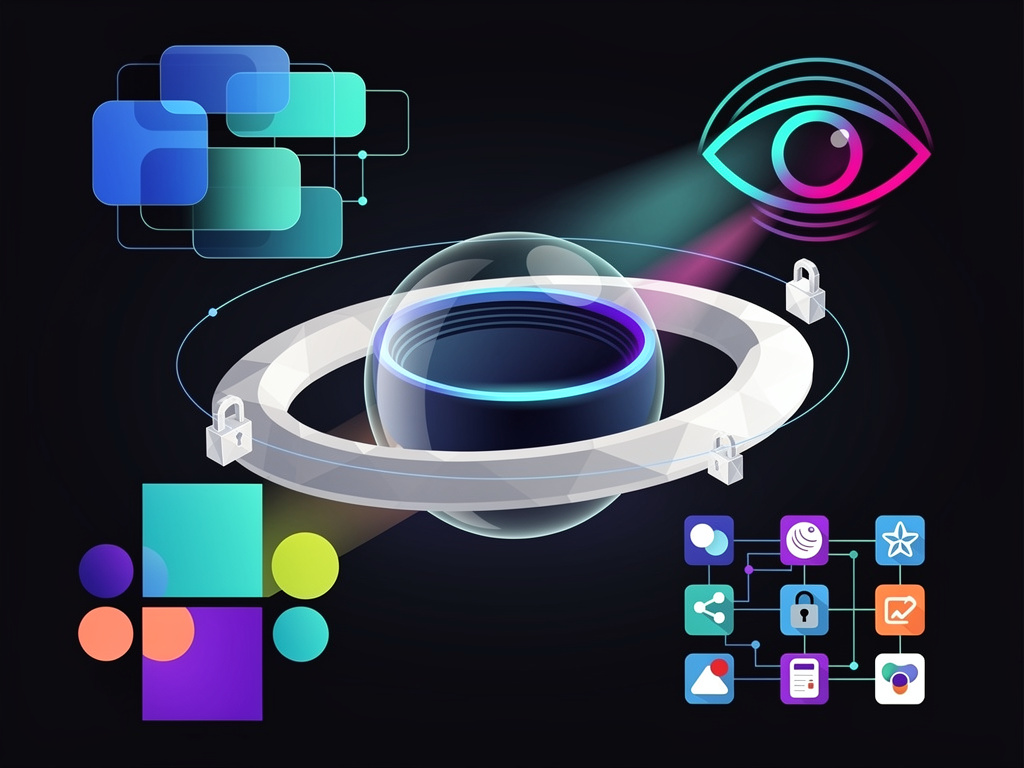
Apple Inc. took the stage Monday and delivered on years of promises. The company unveiled a significantly upgraded Siri and expanded Apple Intelligence features that executives say will make the assistant far more useful in daily life. No longer just a voice that sets timers or reads notifications, the new Siri understands context, acts across apps, and handles complex requests with greater reliability.
Tim Cook opened the keynote by acknowledging past stumbles. “We listened to our users and our teams worked tirelessly to build something that truly feels personal and powerful,” he said, according to the Apple Newsroom announcement. The updates arrive in iOS 27, iPadOS 27, macOS 27 and other platforms. Developers gain immediate access to betas. Consumers will see them roll out later this year and into 2027.
But the real story lies in the details. Siri now maintains context across conversations. It follows up on previous requests without users repeating themselves. Stumble over your words? The system recovers gracefully. Users can type to Siri or speak. The choice is theirs at any moment. A new glowing interface element wraps around the screen edge when active. The visual cue feels elegant. It signals the assistant is listening without dominating the display.
Deeper integration stands out. Siri can now see what’s on your screen and act on it. Need to book a flight shown in a message? It pulls details and completes the task in your calendar or travel app. This on-screen awareness, combined with personal context from your photos, emails and files, makes interactions feel intuitive. Apple calls it a shift from simple commands to genuine assistance. Early reactions on X suggest many agree. One developer posted that the OS itself now feels intelligent rather than a collection of apps.
Image tools received major attention. The Clean Up feature in Photos lets users remove unwanted objects with precision. It generates photorealistic results that preserve lighting and shadows. Image Playground and Genmoji expand creative options. Users create custom images or emojis from text prompts directly on device. Writing Tools evolved too. They suggest context-aware replies in Mail, help draft messages in multiple styles, and summarize long threads. These capabilities build on the foundation set in 2024 but feel more mature.
Privacy remains a core focus. Apple processes most requests on-device using the company’s latest chips. When cloud resources are needed, Private Cloud Compute handles them without storing user data. The approach contrasts with competitors that rely heavily on external servers. Craig Federighi, Apple’s software chief, emphasized this point during the presentation. “Your information stays yours,” he noted, per coverage in Bloomberg.
The delays that pushed the full Siri upgrade from 2024 into 2026 clearly paid off in polish. Earlier versions of Apple Intelligence drew criticism for limited scope and occasional errors. This next generation addresses those gaps. Siri handles multi-step tasks. It reasons across apps. It even taps external models when appropriate while defaulting to Apple’s own intelligence. Reports indicate partnerships with Google and OpenAI provide fallback options for complex queries.
Yet not everything lands immediately. Some advanced personal context features will arrive in future updates. Older devices gain performance improvements and select AI tools, but full capabilities require Apple silicon from recent years. The company introduced a waitlist for initial Apple Intelligence access in some regions. The move manages demand and server load.
Safari benefits from the upgrades. Tabs organize automatically based on content. A new Notify Me function tracks open pages and alerts users to changes, such as restocked products. On-the-fly extension creation lets users add custom functionality without coding expertise. These browser improvements show how intelligence spreads beyond the assistant into everyday tools.
Health and productivity apps see gains as well. A Workout Buddy offers real-time coaching in English and other languages over time. Messages suggests actions based on conversation flow. It can propose adding a photo, setting a reminder or attaching a file at the right moment. Shortcuts gains broader world knowledge to create more capable automations.
Analysts see this as Apple’s serious bid to catch up in the AI race. For years the company trailed in generative tools. Now it positions its offerings as more private, more integrated and less flashy than rivals. TechCrunch reported ahead of the event that the Siri revamp would focus on natural conversation and cross-app actions. Apple delivered on those expectations and more.
The changes extend to CarPlay and AirPods. Siri operates more naturally in vehicles and during calls. Live Translation appears in Messages for supported languages. Notification summaries reduce clutter by prioritizing important alerts.
So the question remains. Will these features finally make Siri indispensable? Early developer feedback leans positive. One X user described the event as giving the strongest sense of the future in years. Another highlighted the design intelligence on display. Attention to detail in animations and transitions sets a high bar.
Apple opened Apple Intelligence to third-party developers. Apps can tap the on-device models directly. No user data leaves the device. This decision could spark a wave of smarter software across the App Store. The company demonstrated examples where photo editors, note-taking apps and productivity tools gain new powers without cloud dependency.
Of course challenges persist. Accuracy in complex scenarios will be tested once millions use the system. Competition from ChatGPT, Gemini and Claude remains fierce. Apple must prove its approach delivers consistent value while protecting privacy. The coming months of beta testing will reveal strengths and weaknesses.
Still, Monday’s announcements mark clear progress. The assistant that once felt limited now shows ambition. It reasons. It observes. It acts. For an industry that watched Apple play catch-up in AI, this feels like a statement of intent. The next-generation Siri isn’t perfect. But it’s a substantial step forward. And for millions of users, that may be enough to change how they interact with their devices every day.


 WebProNews is an iEntry Publication