
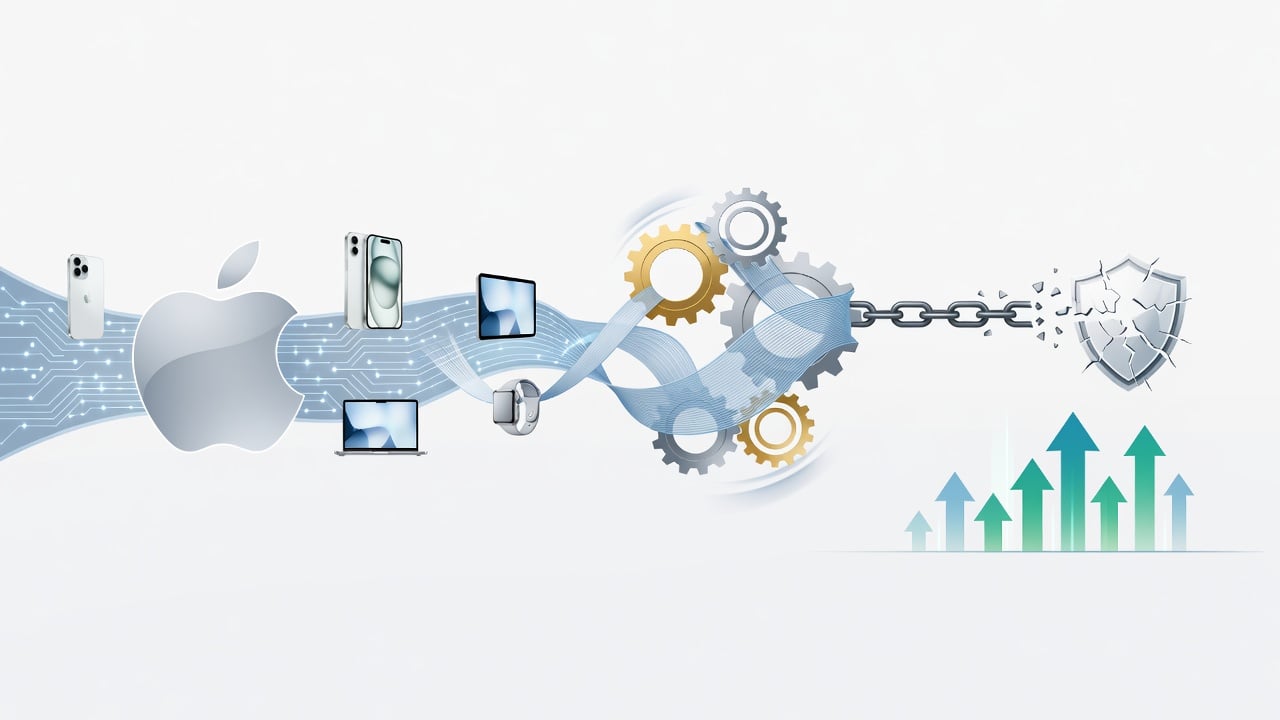
Apple stands on the verge of a major shift in how customers acquire its devices. Starting July 28, the company will roll out Apple Upgrade, a leasing arrangement developed with Klarna. The program covers most iPhones, iPads, Macs and Apple Watches. Bloomberg first detailed the plan hours ago.
Terms run 24 months for phones and watches. iPads and Macs stretch to 36 months. Users gain options to settle the balance ahead of schedule. They can switch to a newer model before the period ends. Or they can retain the hardware or hand it back once the agreement concludes. Simple choices. Yet they signal a calculated move by Apple to keep hardware cycles turning faster.
But exclusions apply. The entry-level iPad stays off limits. So does the Apple Watch SE. The iPhone 16 and a rumored MacBook Neo won’t qualify either. Those restrictions surprised some observers. They suggest Apple wants to protect margins on its most affordable gear. Or perhaps steer buyers toward pricier variants that generate higher lease revenue.
The existing iPhone Upgrade Program will close to new participants the moment Apple Upgrade goes live. That program, in place for over a decade, bundled AppleCare+ coverage into monthly installments. Its departure marks a quiet end to a feature many customers valued. Apple Upgrade omits that protection entirely. Buyers must purchase AppleCare+ on their own if they want it. The decision trims the monthly cost. It also hands consumers another bill to manage.
Mark Gurman of Bloomberg reported the details, citing people familiar with the initiative. He noted Apple’s intent to market the leases as delivering smaller monthly outlays than traditional financing. The pitch targets budget-conscious buyers facing high device prices. It also aligns with broader industry trends toward subscription models. Cars have long operated this way. Now personal electronics follow.
Reaction on X came swiftly. One user captured a common sentiment: “If you’re leasing a phone or watch you can’t afford it. Keep your old shit.” Others questioned whether the new structure truly improves on the old. A few highlighted the absence of bundled insurance. “I can’t tell yet, is this a downgrade from the current Apple upgrade program?” asked another.
9to5Mac covered the wind-down of the prior program in tandem with the announcement. Its story emphasized that Apple plans to halt new sign-ups for both the iPhone Upgrade Program and standard financing options. The consolidation creates a single pathway. Simpler for the company. Potentially confusing for shoppers accustomed to the old system.
The Verge examined the lease-to-own mechanics. It likened the arrangement to vehicle leasing. Early upgrades, early payoffs, and end-of-term decisions mirror automotive contracts. Klarna performs a soft credit check. No heavy lifting for applicants. Yet the financial commitment remains. Monthly payments add up. And at the conclusion, many users will likely roll into the next lease. Apple gains predictable revenue. Customers gain flexibility. Or at least the appearance of it.
AppleInsider reflected on the legacy of the iPhone Upgrade Program. For ten years it eased access to flagship models while including protection against damage. “It’s on borrowed time now,” the publication wrote. The new offering extends similar benefits across the product range. iPads and Macs join the fold. That breadth could lift overall upgrade rates. Sales of higher-end configurations may rise too.
Macworld framed the program as a way to lease nearly anything Apple sells. Its analysis pointed to the July 28 availability and Klarna’s role as financier. The partnership expands Klarna’s footprint in consumer lending. For Apple, it offloads credit risk while retaining control over the customer experience. A neat arrangement for both parties.
Reuters confirmed the timeline and scope. The news service highlighted the goal of spurring sales amid elevated device prices. Hardware has grown more expensive. Flagship iPhones routinely exceed $1,000. Leasing spreads that burden. It also encourages habitual upgrades. Two years pass quickly. Three years for a Mac feels manageable. Many will choose to continue the cycle rather than own the device outright.
Industry watchers see deeper implications. Apple has pushed services revenue for years. This program nudges hardware toward a services-like model. Recurring payments replace one-time purchases. The strategy carries risks. Economic downturns could increase defaults. Customers might grow weary of perpetual payments. Yet early signs suggest strong interest. Social media chatter mixes skepticism with curiosity.
One X post summed up the investor angle. “The future of tech ownership may be moving from buying devices to subscribing for access.” Apple shares barely budged on the news. Markets had priced in some form of financing evolution. Klarna’s stock, traded publicly in some venues, drew modest attention.
Details remain sparse on exact pricing. Apple has not published sample monthly figures. Gurman’s report implies they will undercut current financing rates. That advantage stems partly from the lack of AppleCare+ and from Klarna’s underwriting approach. Buyers will discover the real numbers next week when the program debuts online and in stores.
Support for early upgrades could prove the strongest draw. Loyal customers often want the latest model before their contract expires. The old iPhone Upgrade Program allowed trades after 12 months in some cases. Apple Upgrade appears to offer similar latitude, though precise rules await official disclosure. Flexibility sells. Especially when device innovation continues at a measured pace.
Critics point to the environmental angle. More frequent upgrades mean more waste. Even with trade-in programs and recycling efforts, not every device returns to the circular economy. Apple touts its carbon goals. This leasing structure could either help or hinder depending on return rates. Early data will matter.
Retail employees will need training. Explaining lease terms differs from selling outright purchases or simple financing. Credit checks, though soft, introduce a new step. Customers with thin credit histories may face hurdles. Klarna’s track record in buy-now-pay-later gives some comfort. But leasing carries different legal and financial obligations.
The program’s launch coincides with broader economic pressures. Inflation has cooled but premium tech remains a stretch for many households. Apple bets that lower advertised monthly figures will convert browsers into buyers. It also bets that the absence of bundled AppleCare+ won’t deter too many. Separate insurance sales could even boost that revenue line.
Analysts expect the change to contribute to Apple’s services growth narrative. Hardware margins stay healthy. Services margins run higher. A hybrid model that blends the two could prove potent. Whether it truly lowers barriers or simply normalizes debt for gadgets remains an open question.
One thing looks clear. The era of straightforward iPhone Upgrade Program sign-ups ends soon. In its place comes a broader, more uniform leasing framework. Apple Upgrade. The name itself suggests continuity while masking a significant evolution. Customers will decide if the trade-offs make sense. Lower payments. No automatic coverage. Wider device eligibility. The math will vary by individual.
Next week brings the official debut. Expect Apple retail locations to feature signage. The website will update. Klarna’s integration will appear seamless to end users. Behind the scenes sits a new financial partnership that could reshape how millions acquire Apple products. The company once famous for selling computers by the box now leases them by the month. Times change. Business models adapt. This one bears watching closely.


 WebProNews is an iEntry Publication