
Memory shortages are squeezing suppliers. Apple faces tough calls on what to ship inside its next phones. And the latest signals point to an unusual outcome for the base iPhone 18.
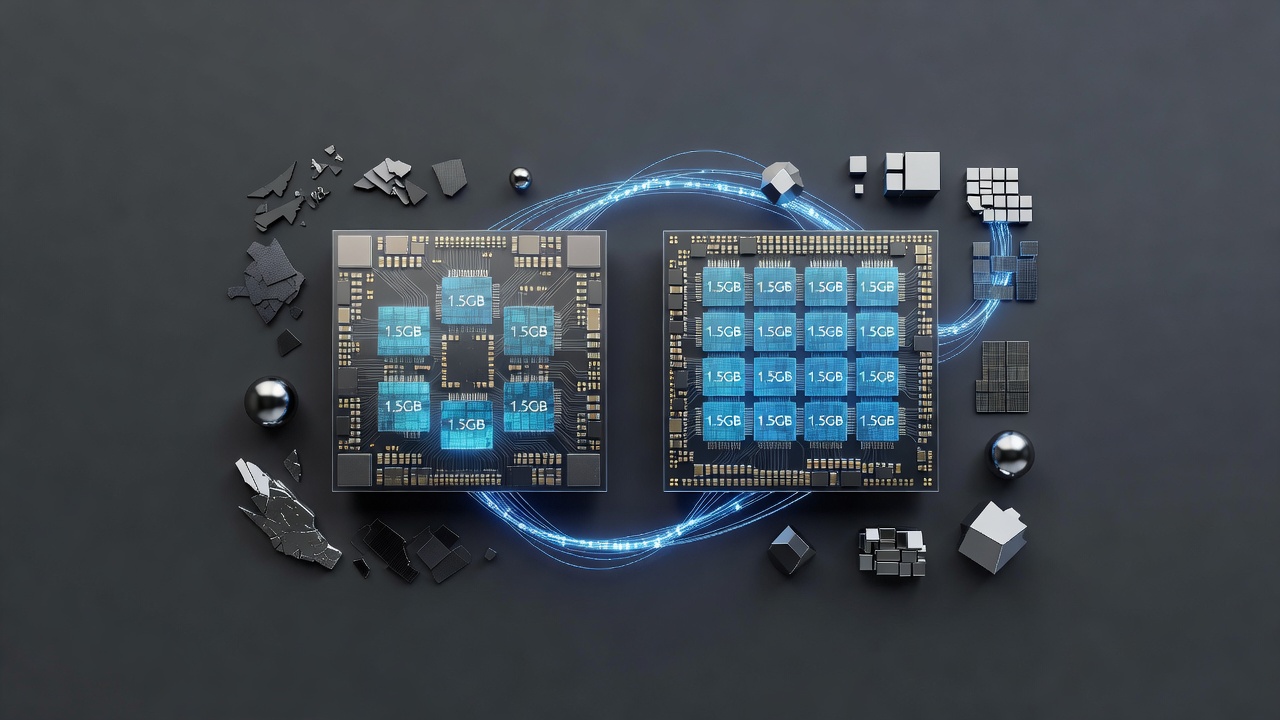
Analyst Ming-Chi Kuo reported this week that the standard iPhone 18 and the expected iPhone 18e will arrive with 9GB of RAM. That marks a modest step up from the 8GB in current lower-end models. Yet it falls short of earlier forecasts that envisioned a full jump to 12GB across the lineup. The configuration relies on six 1.5GB memory dies paired with an A20 chip. Previous iPhone 17 variants used four 2GB dies to reach their total.
MacRumors detailed the shift days ago. Higher-end devices, including the iPhone 18 Pro models and a rumored foldable, stay at 12GB. Those units already employ eight of the 1.5GB dies. The split creates a clear divide. Base models gain headroom for basic on-device processing. They still miss the threshold many advanced features demand.
Earlier this month optimism ran higher. Reports suggested the regular iPhone 18 could reach 12GB without a price increase. South Korea’s KB Securities, relayed through DigiTimes, tied the extra memory directly to new Siri capabilities unveiled at WWDC 2026. Expressive voices and sharper systemwide dictation each require that full 12GB of unified memory, according to Apple’s own statements then. MacRumors covered the projection in mid-June. Apple appeared ready to absorb higher DRAM costs from Samsung, SK Hynix and Micron rather than pass them to buyers.
But supply realities have intruded. Global constraints on advanced memory packages have already forced price adjustments in Macs and iPads. CEO Tim Cook acknowledged the pressure in recent remarks. The iPhone 17 avoided increases. Next year’s lineup looks less certain. Kuo’s update reflects a compromise. Give the entry models just enough additional capacity to handle growing AI workloads without overcommitting scarce components.
The difference matters. Apple Intelligence features introduced last year already expose gaps. iPhone 17 base units with 8GB cannot access certain on-device models available to Pro variants with 12GB. iOS 27 is expected to widen that divide. Some of the most capable Siri enhancements will likely remain off limits for anything below the 12GB mark. A 9GB iPhone 18 would therefore support improved responsiveness and multitasking. It might not unlock the complete set of promised capabilities.
Android Authority examined the rumor hours after it surfaced. The outlet noted this would represent the first time Apple deploys a 9GB configuration in an iPhone. The choice feels unconventional. Yet it aligns with the company’s history of precise hardware tuning. Six smaller dies can deliver the target capacity while potentially easing production or thermal demands. Pro models, already equipped for demanding tasks, need no change.
PhoneArena framed the development more starkly. The site described a “disappointing” bump that raises fresh questions about long-term software support. PhoneArena highlighted how the base iPhone 18 and 18e, slated for a spring 2027 debut, risk falling behind Pro siblings released the previous fall. The staggered schedule itself adds complexity. Consumers weighing an upgrade must now consider not only camera or display differences but also memory ceilings that directly limit AI performance.
Kuo posted the details on X earlier this week. His note emphasized the goal: keep systems stable under AI loads. No direct comment on pricing or exact model names appeared. Still, the reference to “lower-end 1H27 iPhones” maps cleanly onto the expected iPhone 18 and budget-oriented 18e. Those devices would pair the A20 processor with the new memory setup. Pro variants keep the A20 Pro and their existing 12GB allocation.
Industry watchers have tracked these shifts for months. October 2025 reports from The Bell first floated the 12GB possibility for the entire 2026-2027 generation. Suppliers reportedly received requests to ramp production of suitable modules. Samsung, as Apple’s primary DRAM partner, stood to benefit. Yet ballooning demand from data centers and competing smartphone makers has tightened availability. Apple must now prioritize.
The decision carries broader signals. On-device AI continues to grow more memory-hungry. Each new model refinement, whether in voice synthesis or contextual understanding, pulls additional resources. Apple has historically differentiated its lineup through silicon and sensors. Memory is becoming another vector. A 9GB floor for entry models may strike some as miserly. Others see calculated restraint that preserves margins while still advancing the platform.
Android manufacturers could take notice. Several flagship Android phones already ship with 12GB or 16GB. Mid-range devices hover around 8GB. If Apple demonstrates that 9GB strikes a workable balance for AI tasks, competitors might adopt similar odd capacities rather than default to round multiples. The precedent would echo past moves where Apple’s choices influenced the wider market on everything from notch designs to dynamic islands.
Of course, nothing is final until hardware reaches store shelves. Kuo’s track record on supply-chain details is strong but not perfect. Apple could still adjust configurations in coming quarters. Component costs may ease. Or they could tighten further, prompting different compromises. For now the trajectory shows a company threading the needle between ambition and practicality.
Buyers focused on longevity face a sharper calculus. An iPhone 18 with 9GB will outperform today’s base models in everyday use and basic intelligence features. Heavy users of future AI tools may find the Pro variants more future-proof. That gap, once measured mostly in cameras and refresh rates, now extends into the core architecture that powers software intelligence.
Apple has not commented publicly on the reports. Its silence fits a pattern of letting analysts and journalists hash out the details until official announcements arrive. When those moments come, expect careful framing around performance gains rather than specific gigabyte counts. The real test will appear in benchmarks and user experiences once the devices ship. Until then the conversation circles the same tension. How much memory is enough when AI appetite keeps rising?


 WebProNews is an iEntry Publication