
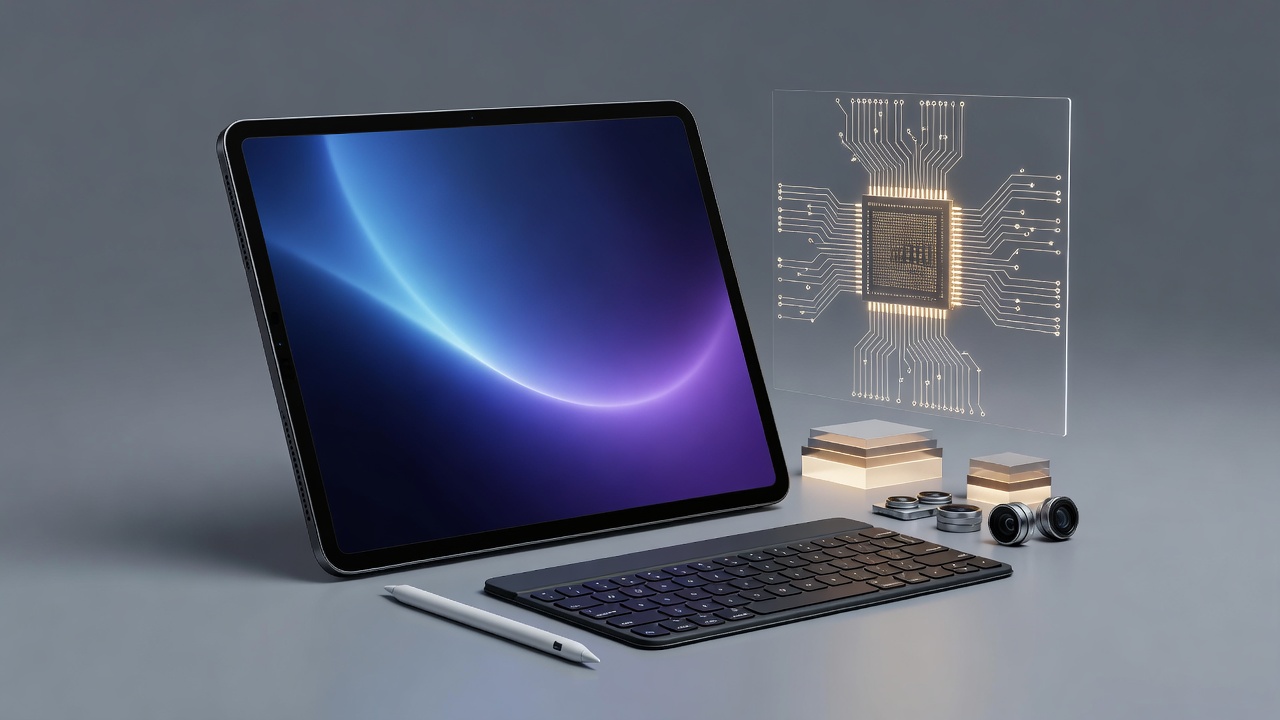
Apple has signaled plans for a significant update to its highest-end tablet lineup with the next iPad Pro models expected to arrive in spring 2027 according to recent reporting from MacRumors. This timeline points to a roughly two-year gap following the current M4-powered versions released in 2024 and suggests the company intends to maintain a deliberate pace for hardware refreshes in the professional tablet category.
The anticipated 2027 models will likely focus on several areas that have seen incremental improvements in recent generations while introducing fresh capabilities that align with broader shifts in how people create and consume content on large-screen devices. Display technology stands out as a primary candidate for advancement. The current iPad Pro already employs tandem OLED panels that deliver exceptional brightness contrast and color accuracy. Future iterations could refine this approach by increasing peak brightness further or adopting more energy-efficient OLED variants that extend battery life during prolonged video editing sessions or intensive graphic work.
Processor upgrades form another expected pillar of the refresh. Apple’s M-series chips have consistently delivered substantial performance gains with each new generation and the jump to an M5 or M6 chip in the 2027 iPad Pro would continue that trend. Such a move would bring faster neural engine operations which matter greatly for on-device artificial intelligence tasks such as real-time object recognition in video footage or advanced photo processing without relying on cloud services. The additional power could also support more demanding creative applications that currently strain even the capable M4 silicon when handling complex 3D renders or multilayered 8K timelines.
Design refinements may appear more subtle yet still meaningful for users who spend hours holding or transporting these tablets. Rumors circulating in supply chain circles hint at possible reductions in overall thickness although the current 5.1-millimeter profile already feels remarkably slim for a device packing such powerful components. Any further slimming would need to balance structural integrity with the integration of larger battery cells to offset the power draw from brighter displays and faster processors. Material choices could also evolve with Apple potentially exploring new alloys or composite materials that improve heat dissipation without adding noticeable weight.
The front-facing camera system presents an opportunity for more noticeable change. Current iPad Pro models place the ultrawide lens along the landscape-oriented edge which works well for video calls when the device rests on a table or keyboard but feels awkward in portrait orientation. A return to a centered top-bezel camera or even a move to under-display technology could address longstanding complaints from users who rely on the tablet for professional video conferencing. Improved sensor resolution and low-light performance would further enhance the experience for creators producing content directly on the device.
Accessories are expected to receive attention alongside the main hardware. The Magic Keyboard has become an essential companion for many professionals who treat their iPad Pro like a laptop replacement. A 2027 version might incorporate a larger trackpad improved key travel and possibly integrated charging for additional peripherals. The Apple Pencil already offers remarkable precision but future models could add pressure-sensitive shortcuts or expanded gesture support that take fuller advantage of the tablet’s larger canvas and more powerful internals.
Software developments will play an equally important role in defining the 2027 iPad Pro experience. While the hardware sets the foundation Apple’s updates to iPadOS typically unlock new capabilities that make the most of that foundation. Expect continued emphasis on multitasking enhancements stage manager refinements and deeper integration with artificial intelligence features that allow the tablet to anticipate user needs. For instance the system might automatically suggest optimal settings for color grading based on ambient lighting or offer intelligent organization of project files across multiple apps.
Professional users in fields ranging from architecture to film production have increasingly adopted iPad Pro as a primary device rather than just a secondary tool. This shift places pressure on Apple to deliver meaningful advances that justify the premium price point. The 2027 models will need to demonstrate clear advantages over both previous iPad generations and competing high-end tablets from other manufacturers. Features like native support for more advanced file system operations or expanded connectivity options including faster Thunderbolt implementations could help close the gap between tablet and traditional computer workflows.
Supply chain analysts anticipate that Apple will once again offer the devices in 11-inch and 13-inch configurations to cater to different user preferences. The smaller model appeals to those who prioritize portability while the larger version attracts professionals who value screen real estate for detailed visual work. Maintaining two sizes allows Apple to serve both mobile creators who travel frequently and studio-based users who might dock the tablet to external displays for even more expansive workspaces.
Battery technology could see meaningful progress by 2027 as new cell chemistries reach commercial viability. Higher energy density would enable longer usage times even as overall device power consumption rises due to brighter displays and more capable processors. Users who currently find themselves reaching for a charger midway through an intensive workday might appreciate the ability to complete full projects on a single charge. Combined with potential improvements in charging speeds this could reduce downtime and support more fluid creative processes.
The integration of artificial intelligence capabilities deserves particular attention in any discussion of future iPad Pro models. Apple has already begun embedding AI features across its product lines and the 2027 iPad Pro will likely expand on those foundations with more sophisticated on-device processing. This approach helps preserve user privacy while delivering responsive performance for tasks like automated transcription of interviews generating suggested edits in video projects or creating realistic soundscapes from simple text descriptions. The tablet’s large display and precise input methods make it particularly well-suited for interacting with these AI tools in ways that feel natural rather than forced.
Storage options may expand to address the growing file sizes associated with high-resolution content. While current models top out at 2 terabytes future versions could offer 4 terabytes or more to accommodate extensive media libraries or complex project files without requiring constant management of external drives. Faster internal storage speeds would complement the increased capacity by allowing quicker access to large assets during editing sessions.
Connectivity improvements could include support for newer wireless standards that deliver faster data transfers and more reliable connections in crowded environments. This matters for professionals who frequently move between locations and need to sync large files with cloud services or collaborate with team members in real time. Enhanced cellular options might also appear with support for faster network technologies that reduce upload and download times for 4K and 8K footage.
The education market represents another area where the 2027 iPad Pro could make inroads. While the standard iPad remains the primary device for many classrooms the Pro models appeal to older students and specialized programs that require more processing power and precision input. Features tailored to this segment might include enhanced collaboration tools robust content management capabilities and integration with learning management systems that allow teachers to provide detailed feedback directly on student work.
Environmental considerations will likely influence design decisions as they have in recent Apple products. The company has set ambitious goals for carbon neutrality across its entire operations and future iPad Pro models may incorporate more recycled materials in their construction. Packaging could continue the shift toward paper-based solutions while manufacturing processes might rely more heavily on renewable energy sources. These efforts resonate with many professional users who factor sustainability into their purchasing decisions.
Market dynamics will shape how Apple positions these upcoming tablets. Competition from other tablet makers has intensified with some offering larger screens or unique features like integrated keyboards that rival traditional laptops. Apple maintains a strong position through its combination of hardware performance software optimization and extensive app ecosystem but must continue innovating to stay ahead. The 2027 iPad Pro will need to strike a balance between familiar elements that users have come to expect and new capabilities that expand what people can accomplish with a tablet.
Developers will play a key role in realizing the potential of these new devices. As hardware capabilities increase the demand grows for applications that can fully exploit faster processors brighter displays and improved input methods. Apple typically provides early access to development tools for upcoming hardware which allows creators to prepare optimized software by the time the devices reach customers. This coordinated approach has contributed to the iPad Pro’s reputation as a serious tool for professional work rather than simply an oversized consumer device.
Pricing strategies for the 2027 models remain uncertain but historical patterns suggest Apple will maintain or slightly increase starting prices to reflect the added capabilities. The company has successfully positioned the iPad Pro as a premium product that commands higher prices than competing tablets and this approach seems unlikely to change. Bundled accessories or financing options could help offset the cost for users who view the tablet as a long-term investment in their creative or professional toolkit.
Looking further ahead the technologies introduced in the 2027 iPad Pro may lay groundwork for even more ambitious products in subsequent years. Advances in display efficiency processor architecture and artificial intelligence integration often find their way into other Apple devices over time. The lessons learned from bringing these features to market in a tablet format could influence future laptop designs or even entirely new product categories that blend the portability of tablets with the power of traditional computers.
User feedback from current iPad Pro owners will undoubtedly influence the direction of the 2027 models. Common requests include better speaker quality for audio professionals expanded port options for connecting multiple peripherals and more flexible display modes that adapt to different working environments. Apple has demonstrated willingness to address such concerns in past updates and the spring 2027 launch provides an opportunity to incorporate refinements based on years of real-world usage data.
The manufacturing scale required for a global product like the iPad Pro adds another layer of complexity to these plans. Apple works closely with suppliers to ensure component availability and quality control across millions of units. Any significant changes to the display stack processor design or structural materials must be validated through extensive testing to maintain the reliability users expect. This careful approach helps explain why the company spaces out major updates rather than rushing incremental changes to market.
For many professionals the iPad Pro has become an indispensable part of their workflow combining the immediacy of touch input with sufficient power to handle demanding tasks. The 2027 models will aim to strengthen that position by addressing current limitations while introducing capabilities that open new creative possibilities. Whether through brighter more efficient displays faster processing with enhanced AI features or refined input accessories these tablets will continue evolving to meet the needs of users who demand high performance in a portable form factor.
As development progresses closer to the expected spring 2027 release date more specific details will likely emerge from supply chain sources and developer conferences. Until then the information shared by MacRumors provides a useful framework for understanding Apple’s intentions for its professional tablet lineup. The company’s consistent focus on balancing power portability and user experience suggests the next iPad Pro will build thoughtfully on the strong foundation established by previous generations while preparing the platform for continued growth in the years ahead.


 WebProNews is an iEntry Publication