
Unveiling iOS 27: Apple’s Stealth Revolution in Software Stability
Apple’s iOS ecosystem has long been the gold standard for mobile operating systems, blending seamless hardware integration with innovative features that keep users loyal. But as the company gears up for its next major release, iOS 27, whispers from the tech world suggest a shift in strategy. Rather than bombarding users with a slew of flashy additions, Apple appears poised to deliver what insiders are calling a “Snow Leopard” moment—a nod to the 2009 Mac OS X update that prioritized refinement over reinvention. This approach comes at a pivotal time, as Apple navigates increasing competition from Android’s AI-driven advancements and prepares for hardware breakthroughs like a foldable iPhone.
Drawing from recent reports, iOS 27 is expected to debut at the Worldwide Developers Conference (WWDC) in June 2026, with a public rollout in September alongside the iPhone 18 series. The update’s core philosophy, as outlined in a detailed piece by MacRumors, emphasizes underlying performance boosts and bug squashing. This isn’t just about polishing the surface; it’s a deep-seated effort to address user complaints about glitches in recent iOS versions, such as notification delays and app crashes that have plagued iOS 26.
Industry analysts see this as Apple’s response to a broader trend: the need for reliability in an era where smartphones handle everything from banking to health monitoring. By focusing on stability, Apple aims to rebuild trust, especially among enterprise users who demand flawless operation. Rumors indicate that iOS 27 will incorporate advanced diagnostic tools for developers, enabling faster identification and resolution of issues, potentially reducing the frequency of point releases.
The AI Infusion: Beyond Bug Fixes
While stability is the headline, iOS 27 won’t skimp on innovation, particularly in artificial intelligence. Sources point to enhancements in Apple Intelligence, the company’s suite of AI tools introduced in iOS 26. Expect a revamped Siri with more contextual awareness, capable of handling complex queries without fumbling. For instance, an AI-powered web search tool could integrate seamlessly with Safari, pulling insights from multiple sources in real-time, as speculated in posts circulating on X.
Further, iOS 27 is rumored to introduce an AI agent within Apple Health+, acting as a virtual coach that analyzes user data to offer personalized fitness and wellness advice. This builds on Apple’s push into health tech, where privacy remains paramount— all processing would occur on-device to avoid data leaks. A 9to5Mac report highlights how these features could leverage machine learning models trained on anonymized user patterns, positioning Apple as a leader in ethical AI deployment.
Compatibility is another key area. iOS 27 is expected to support devices from the iPhone 12 onward, potentially dropping older models like the iPhone 11 to optimize for newer hardware capabilities. This decision, while controversial, aligns with Apple’s strategy to phase out legacy support, ensuring that performance gains aren’t diluted by outdated processors.
Foldable Horizons: Software Meets New Form Factors
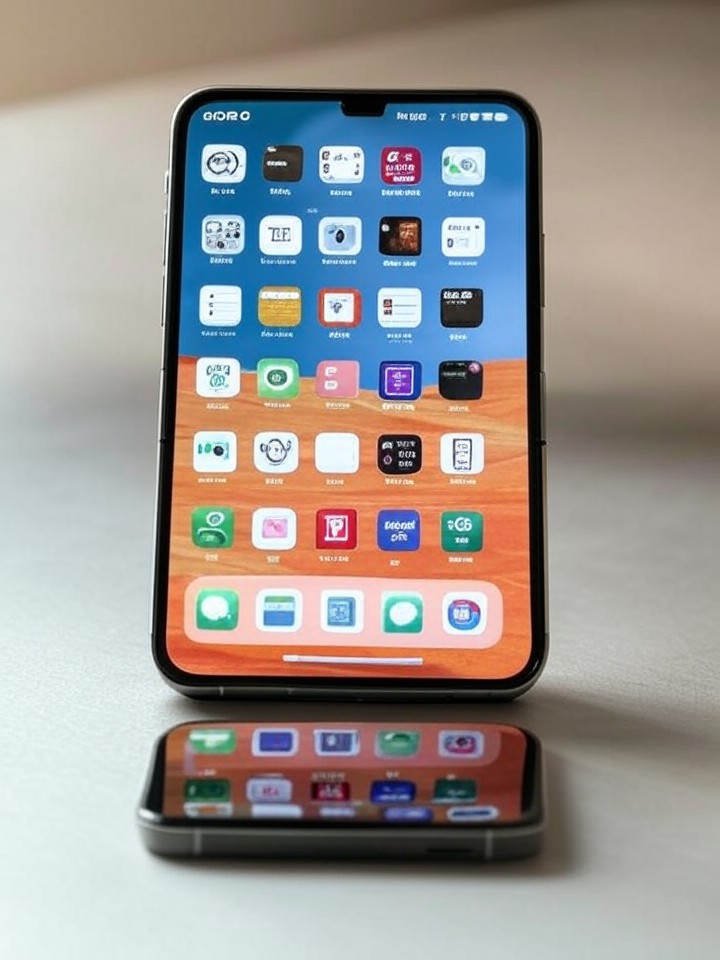
One of the most intriguing aspects of iOS 27 is its rumored optimization for Apple’s first foldable iPhone, slated for a 2026 launch. According to leaks, the software will include adaptations for dual-screen functionality, such as seamless app continuity when unfolding the device from a 5.5-inch outer display to a 7.8-inch inner one. This could revolutionize multitasking, allowing users to run split-screen apps more intuitively than current iPadOS implementations.
Industry insiders, including those sharing insights on X, suggest that iOS 27’s foldable support draws inspiration from competitors like Samsung’s Galaxy Z series, but with Apple’s signature polish. Features might include adaptive UI elements that adjust based on the device’s orientation, enhancing productivity for professionals on the go. A Macworld analysis notes that this integration requires significant under-the-hood changes, which ties back to the update’s performance focus—ensuring smooth transitions without battery drain or thermal issues.
Beyond foldables, iOS 27 could expand satellite capabilities, building on iOS 26’s emergency features. Rumors include satellite-based Maps navigation and photo sharing in areas without cellular coverage, ideal for remote workers or adventurers. This expansion, as detailed in various X posts, underscores Apple’s investment in connectivity resilience, potentially partnering with satellite providers like Globalstar for broader coverage.
Performance Overhaul: A Deeper Look
Delving deeper, the “Snow Leopard” moniker isn’t just hype. Bloomberg’s Mark Gurman, in a post on X, described iOS 27 as a quality-first update, echoing the 2009 Mac release that refined existing code without major overhauls. For iOS 27, this means optimizations in areas like battery management and app launch speeds, addressing pain points from iOS 26 where users reported inconsistent performance on older devices.
Expect enhancements to core apps, such as a revamped Calendar with AI-driven scheduling suggestions that integrate with email and reminders more intelligently. This could include predictive event creation based on user habits, reducing manual input for busy executives. Additionally, improvements to AirPods integration might allow for faster pairing and more robust spatial audio processing, as hinted in a Geeky Gadgets leak.
On the security front, iOS 27 is poised to bolster defenses against emerging threats. With cyber risks on the rise, Apple could introduce more granular privacy controls, such as app-specific data access logs, empowering users to monitor and revoke permissions easily. This proactive stance aligns with regulatory pressures from bodies like the EU’s Digital Markets Act, ensuring compliance without sacrificing user experience.
Strategic Implications for Developers and Ecosystem
For developers, iOS 27’s beta phase, starting post-WWDC in June, offers a window to test these refinements. The focus on performance could mean fewer compatibility headaches, allowing devs to prioritize feature development over bug hunting. Tools like enhanced Xcode integrations might streamline AI model deployment, lowering the barrier for indie creators to build intelligent apps.
Ecosystem-wide, this update signals Apple’s long-term vision. By pairing iOS 27 with hardware like the iPhone Fold, Apple is betting on form factor innovation to differentiate from rivals. X discussions reveal excitement among developers for foldable APIs, which could spawn a new wave of apps optimized for larger, flexible screens—think advanced productivity suites or immersive gaming experiences.
Moreover, the AI emphasis positions Apple to compete with Google’s Gemini and OpenAI’s offerings. While Apple has been cautious about generative AI, iOS 27 might incorporate hybrid models, blending on-device processing with cloud assists for complex tasks, all while maintaining privacy standards that set it apart.
Market Reactions and Future Trajectories
Market watchers are already buzzing about iOS 27’s potential impact on Apple’s stock and sales. A stable, performant OS could boost upgrade cycles, especially if tied to compelling hardware like the foldable iPhone. Analysts predict that by emphasizing quality, Apple mitigates risks from software bloat, a criticism leveled at recent Android updates.
Looking ahead, iOS 27’s roadmap includes ongoing betas through summer, with public testing in July. This iterative process, as covered in a 9to5Mac timeline, allows for user feedback to shape the final product, a strategy that has historically led to robust releases.
Competitively, this update challenges Android’s fragmentation issues, where performance varies wildly across devices. Apple’s unified approach ensures consistency, a selling point for enterprises adopting iPhones for secure, reliable operations.
Innovation in Satellite and Health Tech
Expanding on satellite features, iOS 27 could enable 5G-over-satellite for faster data transfer in remote areas, a boon for industries like logistics and emergency services. X users have speculated on integrations with Apple Maps for real-time routing without GPS, potentially revolutionizing navigation in challenging environments.
In health, the AI agent for Apple Health+ might evolve into a comprehensive virtual doctor, offering insights on sleep patterns or nutrition based on wearable data. This ties into Apple’s broader wellness ecosystem, including Watch and Fitness+ integrations, fostering user retention through personalized experiences.
Privacy remains a cornerstone, with iOS 27 likely enhancing features like App Tracking Transparency to counter data-hungry apps. This defensive posture not only complies with global regulations but also builds consumer trust in an age of increasing data breaches.
Broader Industry Ripple Effects
The ripple effects of iOS 27 extend to suppliers and partners. Chipmakers like TSMC could see demand for more efficient processors to support the update’s optimizations, while app developers might invest in AI training to capitalize on new tools.
For consumers, the promise of a bug-free experience could sway those on the fence about upgrading, particularly in emerging markets where reliability trumps gimmicks. X sentiment reflects optimism, with users praising Apple’s shift toward substance over spectacle.
Ultimately, iOS 27 represents Apple’s maturation in software strategy, balancing innovation with reliability to sustain its market dominance. As details emerge closer to WWDC, the tech world will watch closely for how this update reshapes mobile computing.


 WebProNews is an iEntry Publication