
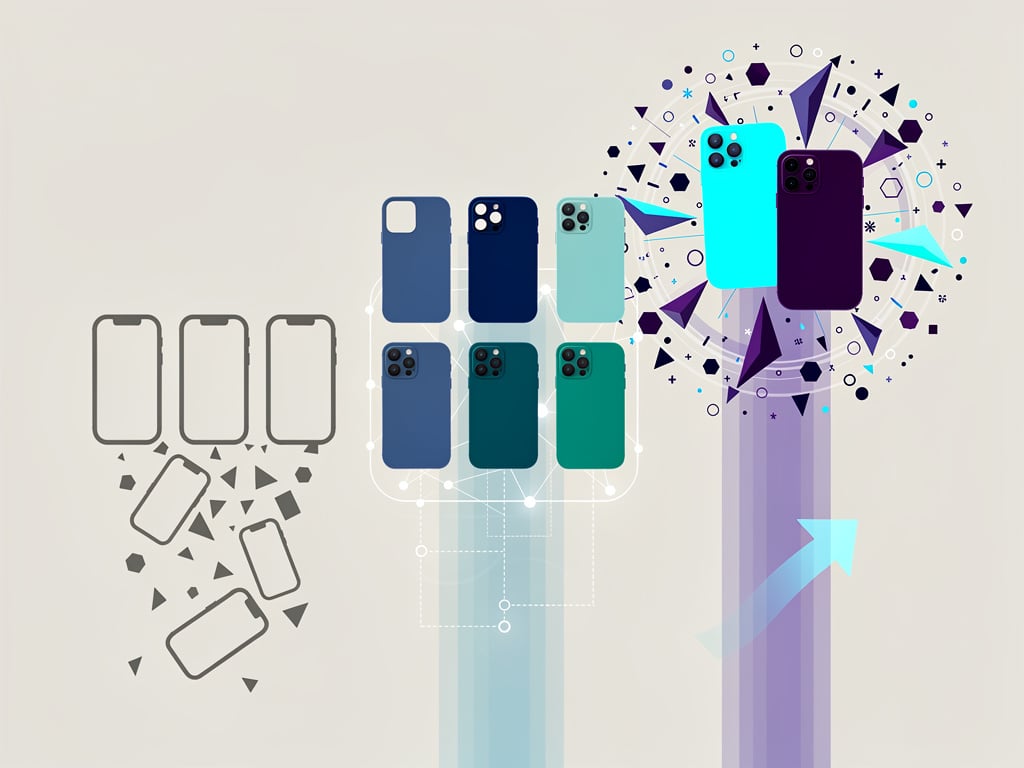
Apple kicked off its Worldwide Developers Conference on June 8 with promises that iOS 27 would bring smarter tools and smoother performance to millions of devices. Yet the reality for owners of older iPhones proves more complicated. Many can install the software. Few will touch the headline additions.
The split appeared clearly in early leaks and crystallized at the event. Devices from the iPhone 11 series and the second-generation iPhone SE lose support entirely. Those models stay on iOS 26. They will receive security patches for some time. But the major annual refresh passes them by. 9to5Mac reported the details in May after a Weibo post from leaker Instant Digital listed iPhone 12 and newer as the cutoff.
Even among phones that run iOS 27, another divide opens. Apple Intelligence features, including the overhauled Siri, demand hardware only found in iPhone 15 Pro models and later. Base iPhone 15 units, along with the entire iPhone 12 through 14 lines, receive system optimizations and interface tweaks. They miss the on-device AI processing that powers the most responsive experiences. The pattern echoes past decisions but feels sharper now that artificial intelligence sits at the center of Apple’s pitch.
Consider what actually arrives on an iPhone 13 or 14. Faster app launches. Snappier AirDrop transfers. A refreshed Liquid Glass interface that owners can tint to taste. Custom equalizer settings for AirPods. Safari tabs that summarize content. These changes matter. They extend the usable life of hardware that millions still carry daily. But they pale next to what Apple demonstrated on stage for newer models.
The rebuilt Siri gains context awareness and on-screen understanding. It pulls from personal data, web results and app content with greater accuracy. Improved dictation captures nuance better. Voice expressivity adjusts on command. Image generation tools create variations without leaving the device. All of these lean on local neural engines or high-memory configurations that older chips simply lack. Digital Trends laid out the gap shortly after the keynote. “Apple says everyone’s invited to iOS 27,” the publication noted. “Turns out it’s a VIP party.”
Cloud-based alternatives exist for some functions. They run slower. Daily limits apply to image creation and certain queries. Subscribers to iCloud+ can raise those caps. The compromise keeps older phones in the fold while reserving peak performance for recent purchases. Apple has walked this line for years. This time the distance between tiers widened.
Analysts point to hardware realities. The A14 Bionic in the iPhone 12 delivers capable everyday use and receives iOS 27. Yet its neural processing unit falls short of demands imposed by the newest models. RAM differences compound the issue. Newer flagships ship with eight gigabytes or more. That memory headroom lets complex models run locally without constant server calls. The result is a three-class system: devices too old for the update, devices that get the update but not the intelligence layer, and devices that receive everything.
Resale values already reflect the shift. A recent Forbes analysis showed steep drops for iPhone 11 variants. Units that once held strong secondary prices now trade at fractions of original cost. The iPhone 15 base model retains more value for now. Its inclusion in the iOS 27 list helps. Yet the absence of full Apple Intelligence features may pressure prices further once buyers grasp the limitations. Forbes highlighted the risk days before the conference. Owners who planned to sell soon received clear advice: move before expectations fully adjust.
Apple’s support timeline has stretched impressively. The company once dropped models after five or six years. Recent releases kept iPhones viable for seven. The iPhone 11 launched in 2019. Its exclusion from iOS 27 arrives roughly on schedule. Security updates will continue. Bug fixes will appear. The phone will not become useless overnight. Still, the message lands. At some point the software stops evolving in meaningful ways.
Users on older hardware express mixed feelings today. Some welcome stability improvements that make iOS 26 feel fresh again. Others see the writing on the wall. One X post captured a common sentiment after the beta dropped. The owner of an iPhone 15 noted new icons and customization options but voiced disappointment at missing the revamped Siri entirely. Cloud processing helps. It cannot match the speed or privacy of on-device work.
The decision carries strategic weight. Apple wants to promote its AI credentials without alienating the huge installed base that drives services revenue. By supporting iPhone 12 and newer for the core operating system, the company maintains security across a broad population. By gating advanced features behind recent silicon, it creates incentive to upgrade. The approach mirrors how the Mac business handled transitions to Apple silicon. Older Intel machines received basic updates. New capabilities arrived only on M-series hardware.
Developers face their own calculations. Apps must now account for fragmented capabilities. Some features will check device model or available RAM before offering options. Others will degrade gracefully to cloud mode. The added complexity burdens smaller teams. Larger studios already build for the highest end and scale back. The fragmentation echoes early days of Android but arrives in a platform long praised for uniformity.
Look ahead and the pattern may intensify. Future releases could push the intelligence boundary even higher as models grow more demanding. The iPhone 17 series already sets a higher bar for certain on-device tasks. Base models in that lineup reportedly ship with eight gigabytes of RAM. That amount proved insufficient for some announced capabilities. Twelve gigabytes became the new threshold on select devices. The arms race continues.
Owners of supported but limited iPhones still gain from the release. Performance gains accumulate over time. Battery life can improve. Security stays current. Those advantages matter for anyone not ready to spend on the latest hardware. The phone bought three or four years ago keeps working. It simply stops feeling at the forefront.
Apple faces no regulatory pressure to equalize features. Antitrust scrutiny targets other aspects of its business. The company can defend tiered experiences as necessary engineering choices rather than deliberate customer segmentation. Whether buyers accept that distinction will shape upgrade cycles in the quarters ahead.
The iOS 27 story ultimately reveals Apple’s priorities. Broad compatibility secures the base. Premium capabilities drive the margin. Older iPhones run the software. They do not run the future. That distinction, once subtle, now sits in plain view for anyone who reads the fine print.


 WebProNews is an iEntry Publication