
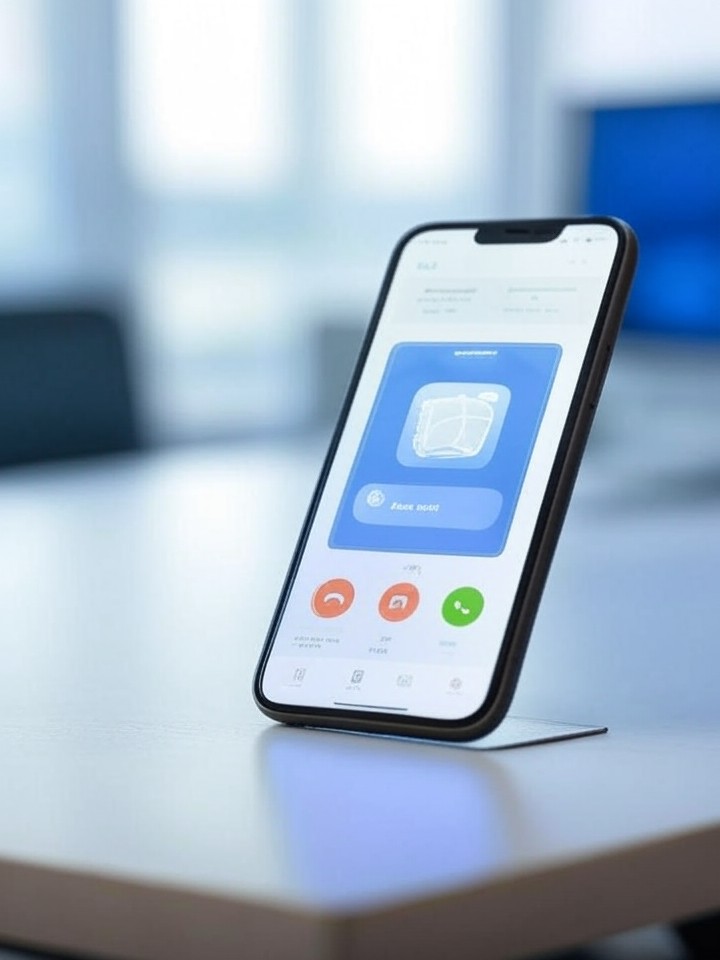
Silencing the Ring: How Apple’s Latest iPhone Tools Are Revolutionizing Spam Call Defense
In an era where unwanted phone calls disrupt daily life more than ever, Apple has stepped up with innovative features in its latest iOS update, promising to shield users from the barrage of spam and scams. The introduction of call screening in iOS 26 marks a significant advancement, allowing iPhones to interrogate unknown callers before they even reach the user. This isn’t just a minor tweak; it’s a comprehensive overhaul designed to empower individuals against increasingly sophisticated telemarketing tactics and fraudulent schemes.
Drawing from recent developments, this feature builds on Apple’s longstanding efforts to enhance user privacy and security. For years, iPhone owners have relied on basic tools like blocking specific numbers or silencing unknown callers, but these methods often fell short against persistent spammers who rotate numbers. Now, with iOS 26, the system takes a proactive stance, automatically answering calls from unrecognized numbers and prompting the caller for their identity and purpose. The response is transcribed in real-time, giving users the option to accept, reject, or send the call to voicemail—all without the phone ringing prematurely.
This evolution reflects broader industry trends toward intelligent call management, where artificial intelligence plays a pivotal role in filtering communications. According to a report from CNET, enabling this feature is straightforward and accessible to any iPhone compatible with iOS 26, such as models from the iPhone 14 Pro onward. The article highlights how beta testers experienced a dramatic reduction in intrusive calls, likening the tool to a digital dam holding back a flood of spam.
Evolution of Apple’s Anti-Spam Arsenal
Apple’s journey in combating spam calls began with earlier iOS versions, introducing features like Silence Unknown Callers in iOS 13, which sent unfamiliar numbers straight to voicemail. However, this blunt instrument sometimes blocked legitimate calls, such as those from doctors or delivery services. Refinements followed in subsequent updates, including carrier-based spam detection and app integrations for more nuanced filtering.
The leap to iOS 26’s call screening addresses these limitations by incorporating on-device processing to maintain privacy while delivering effective results. Unlike third-party apps that might require data sharing, Apple’s solution keeps everything local, aligning with the company’s privacy-first ethos. Industry experts note that this approach not only reduces spam but also minimizes false positives, ensuring important calls aren’t missed.
Moreover, the feature integrates seamlessly with other iOS tools, such as Live Voicemail, which provides transcriptions of messages left by screened callers. This combination creates a layered defense system, where users can review details at their leisure. As detailed in Apple’s official support documentation on Apple Support, users can customize settings to block or allow specific categories, offering granular control over their communication preferences.
User Experiences and Real-World Impact
Feedback from early adopters paints a picture of transformed daily routines. On platforms like Reddit, users in threads such as those on r/iphone have shared stories of reclaiming their peace, with one commenter noting a drop from multiple spam calls per day to virtually none after enabling call screening. These anecdotes underscore the feature’s practical value, especially for those in high-risk groups like the elderly or professionals awaiting critical calls.
In a broader context, the rise in scam calls has prompted regulatory responses, but technology like Apple’s provides immediate relief. A post on X from tech influencer Massimo in mid-2025 highlighted the excitement around this feature, describing it as a game-changer for avoiding scams and sales pitches. Such sentiments echo across social media, where users express frustration with previous limitations and enthusiasm for the new capabilities.
Comparatively, Android devices have long offered similar functionalities through Google’s Call Screen, but Apple’s version distinguishes itself with tighter ecosystem integration. For instance, it works in tandem with FaceTime and Messages, extending protection to video calls and texts. This holistic approach, as explored in a guide from TechRadar, positions iOS as a leader in user-centric security enhancements.
Technical Underpinnings and Privacy Considerations
At its core, iOS 26’s call screening leverages advanced machine learning models to transcribe and analyze caller responses without sending data to the cloud. This on-device intelligence ensures that sensitive information remains private, a key selling point in an age of data breaches. Apple has emphasized that no audio is stored unless the user chooses to save a voicemail, further bolstering trust.
For industry insiders, the implications extend to how this technology could influence app developers and carriers. Third-party apps like Hiya, mentioned in Reddit discussions, may see shifts in usage as native features improve. Carriers, too, are adapting; some offer complementary services, but Apple’s built-in tools reduce dependency on external solutions.
Privacy advocates applaud this development, noting that it empowers users without compromising their data. In contrast to more invasive methods that rely on crowdsourced databases, Apple’s method avoids potential privacy pitfalls. A recent article on The Mac Observer outlines step-by-step activation, emphasizing its ease for non-technical users while delving into advanced customizations for power users.
Integration with Broader Ecosystem and Future Prospects
Beyond calls, iOS 26 enhances spam protection in messaging, automatically filtering junk texts into a dedicated folder. This unified strategy tackles the multifaceted nature of unwanted communications, from robocalls to phishing attempts via SMS. Users can report spam directly to Apple, contributing to improved algorithms over time.
Looking ahead, speculation abounds about further integrations, such as AI-driven scam detection that flags suspicious patterns in real-time. Posts on X from outlets like 9to5Mac in 2025 teased these possibilities, suggesting voicemail summaries and hold assist features that keep users in queue without manual intervention. These enhancements could redefine phone etiquette and efficiency.
For businesses, this means adapting outreach strategies to navigate screening protocols, potentially leading to more transparent communication practices. Telemarketers might need to provide clear identifications to bypass filters, fostering a more respectful interaction environment.
Challenges and Limitations in Deployment
Despite its strengths, call screening isn’t infallible. Some users report that determined spammers use scripted responses to mimic legitimacy, occasionally slipping through. Additionally, the feature requires iOS 26 compatibility, leaving older devices reliant on legacy methods or third-party apps.
International variations pose another hurdle; spam patterns differ by region, and Apple’s algorithms are optimized for U.S. users primarily. In Europe or Asia, effectiveness might vary, prompting calls for global refinements. Insights from Daily Record highlight how such settings can block incessant callers, but stress the need for user vigilance.
Moreover, accessibility considerations are crucial. For hearing-impaired users, the transcription feature is a boon, but ensuring accuracy across accents and languages remains a work in progress. Apple continues to iterate, with beta updates addressing these issues based on user feedback.
Comparative Analysis with Competitors
When stacked against rivals, Apple’s offering stands out for its seamless user experience. Google’s Pixel phones have pioneered similar tech, but iOS integrates it more intuitively within the Apple ecosystem. A piece from How-To Geek compares overlooked settings on both platforms, noting Apple’s edge in privacy.
Samsung and other Android manufacturers provide carrier-dependent options, but they often lack the polish of Apple’s unified interface. This disparity influences consumer choices, with security-conscious buyers leaning toward iPhones.
Industry analysts predict that as these features mature, they could reduce the economic impact of scams, estimated in billions annually. By empowering users, Apple not only enhances loyalty but also sets a standard for the sector.
Adoption Trends and User Strategies
Adoption rates for iOS 26 have been robust, with millions upgrading to access these protections. Tech communities on Reddit, like r/ios, buzz with tips on maximizing the feature, from combining it with Do Not Disturb modes to integrating with smart home devices for automated responses.
For optimal use, experts recommend regularly updating contacts to whitelist important numbers, ensuring they bypass screening. Pairing with apps for additional layers, though less necessary now, can provide comprehensive coverage.
As spam evolves, so too must defenses. Apple’s commitment to ongoing updates positions iOS as a dynamic shield, adapting to new threats through machine learning and user reports.
Strategic Implications for Telecom and Regulation
On a macro level, features like call screening pressure telecom providers to improve their networks. Initiatives like STIR/SHAKEN for call authentication complement Apple’s tools, creating a multi-faceted barrier against fraud.
Regulators worldwide are taking note, with bodies like the FCC in the U.S. encouraging such innovations. This synergy between tech and policy could lead to standardized anti-spam measures, benefiting all users.
In the corporate realm, Apple’s advancements influence how companies design communication software, prioritizing user consent and transparency to avoid being flagged as spam.
Empowering Users in a Connected World
Ultimately, iOS 26’s spam-blocking prowess democratizes advanced security, making it accessible without technical expertise. By reducing interruptions, it enhances productivity and mental well-being, addressing a pervasive modern annoyance.
As shared in a Norton guide on Norton, combining device features with best practices like not sharing numbers online amplifies protection.
Looking forward, the fusion of AI and user feedback will likely yield even more sophisticated tools, ensuring that the ring of an iPhone signals connection, not intrusion.


 WebProNews is an iEntry Publication