
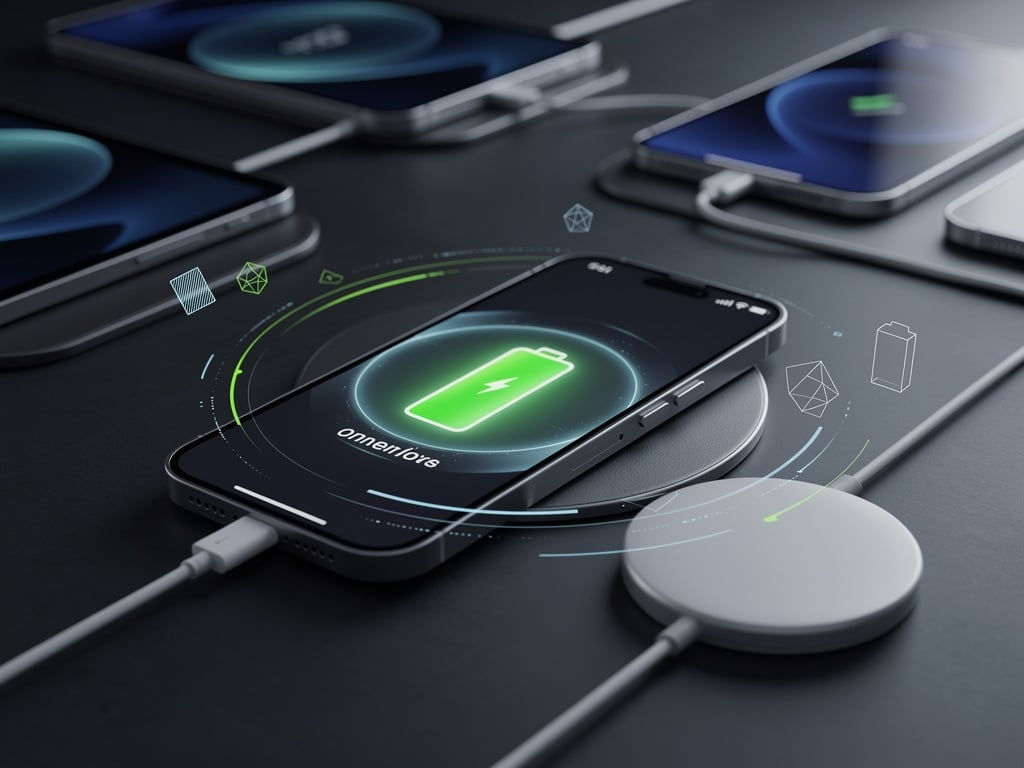
Apple moved quickly to stamp out a nagging hardware-software interaction that left some iPhone 17 owners staring at a black screen after their battery ran dry. The company released iOS 26.5.1 on June 1, 2026, three weeks after the broader iOS 26.5 update. This point release targets a specific flaw: wired charging that simply refused to engage when the battery sat near empty.
The official release notes pull no punches. “This update addresses an issue for a small number of users that may prevent wired charging on iPhone Air and iPhone 17 models when the battery is nearly drained,” Apple stated, according to reporting by MacRumors. The fix applies exclusively to the newest hardware lineup. Older iPhones running iOS 26 receive nothing from this build.
Owners of the iPhone 17, iPhone 17 Pro, iPhone 17 Pro Max and the ultra-thin iPhone Air first noticed the glitch months earlier. Reports surfaced in April 2026. Users described plugging in a USB-C cable seconds after shutdown only to see no response. No red battery icon. No boot. The device acted dead. 9to5Mac detailed one such episode with an iPhone Air that depleted at 11 p.m. Multiple cables, force restarts and even a Mac connection produced zero results. Panic set in fast.
But a pattern emerged across forums. Wireless charging worked when wired did not. Place the phone on a MagSafe puck and wait ten to fifteen minutes. The device would finally stir. Technicians at Apple Stores reached for MagSafe chargers as their standard response. One forum contributor, identified as Tom Elam, offered a technical explanation. “The battery software is programmed to need a minimum voltage to support a reboot. If allowed to fall below that minimum it will take a few minutes to charge up before a successful restart.”
The issue appeared tied to the power management system in the A19-series chips and the thinner chassis designs. The iPhone Air, in particular, carries a smaller battery than standard models. Trade-offs for its slim profile created edge cases under deep discharge. Early rumors had already flagged battery life concerns for the Air. Internal Apple testing reportedly showed only 60 to 70 percent of users could complete a full day without recharging, compared with 80 to 90 percent on other iPhones, Forbes noted in earlier coverage.
Yet the charging refusal went beyond routine battery anxiety. It left devices unresponsive at critical moments. Some owners reported the problem hit more than once. Others dismissed it as faulty cables until they saw identical complaints stack up on Reddit and MacRumors forums. The bug did not affect MagSafe or other wireless methods. That distinction pointed to something in the wired power negotiation logic when voltage dropped too low.
Apple stayed silent in public during the spring. No immediate software patch arrived with iOS 26.4.1 or 26.4.2. The company instead gathered data. By late May the decision crystallized. A targeted fix would ship as 26.5.1. The update rolled out Monday with download sizes that surprised users. One iPhone 17 Pro Max owner saw an initial 17.44-gigabyte package, though actual storage impact measured under one gigabyte. Installation took roughly eighteen minutes. Such variance in reported size has become common. Forum posters joked about random number generators. One user quipped it gave “confidence that things are well tested at Apple.”
The timing fits Apple’s annual rhythm. With WWDC 2026 days away on June 8, iOS 26 development winds down. Focus shifts to iOS 27 features expected to debut there. This bug fix represents cleanup before the next cycle begins. It also reassures buyers of the 2025 iPhone 17 series that Apple stands behind the hardware-software marriage.
Installation remains straightforward. Eligible devices check for updates under Settings, General, then Software Update. Owners should back up first. The patch brings no new features or design changes. Its narrow scope underscores how Apple now handles post-launch hardware-specific glitches. One fix. One set of models. No broad regression risk for the installed base.
Reaction in the community split. Some praised the rapid response once the scope clarified. Others questioned why it took months. The workaround had circulated widely enough that many affected users already carried MagSafe chargers. Still, depending on wireless as a rescue method felt like an admission. The software correction restores expected behavior. Plug in the cable. Watch the phone wake even from near zero.
Battery performance on the iPhone 17 family has drawn mixed feedback since launch. The Air’s compact cell invites scrutiny. Optimized charging limits, Adaptive Power Mode and careful settings help stretch usage. Yet the deep-discharge charging block represented a different category of complaint. It wasn’t gradual drain. It was sudden unresponsiveness that mimicked a hardware failure.
Apple’s release notes deliberately limit the language to “a small number of users.” The company avoids amplifying isolated issues. In practice the reports spanned enough threads to warrant action. MacRumors first flagged the charging oddity on April 30, 2026. By June the fix landed. That four-week window from public documentation to patch reflects standard triage for non-security problems.
Users running the update report the issue resolved. No new widespread complaints have surfaced in the first twenty-four hours. Of course, real-world validation will take days as more phones download and owners test edge cases. For now the consensus credits the patch with doing exactly what Apple promised.
The episode highlights ongoing tensions in modern smartphone design. Thinner bodies. Larger displays. Faster chips. All squeeze available space for batteries. Power management code grows more complex to compensate. Edge conditions multiply. When those conditions appear in the field, quick surgical updates become the preferred medicine.
So the iOS 26.5.1 release closes one chapter. It prevents future owners from experiencing the same dead-phone fright. And it reminds engineers that even small voltage thresholds deserve exhaustive validation before millions of units ship. The next test arrives with iOS 27. But for iPhone 17 and Air users wondering why their cable stopped working at low battery, the answer just shipped.


 WebProNews is an iEntry Publication