
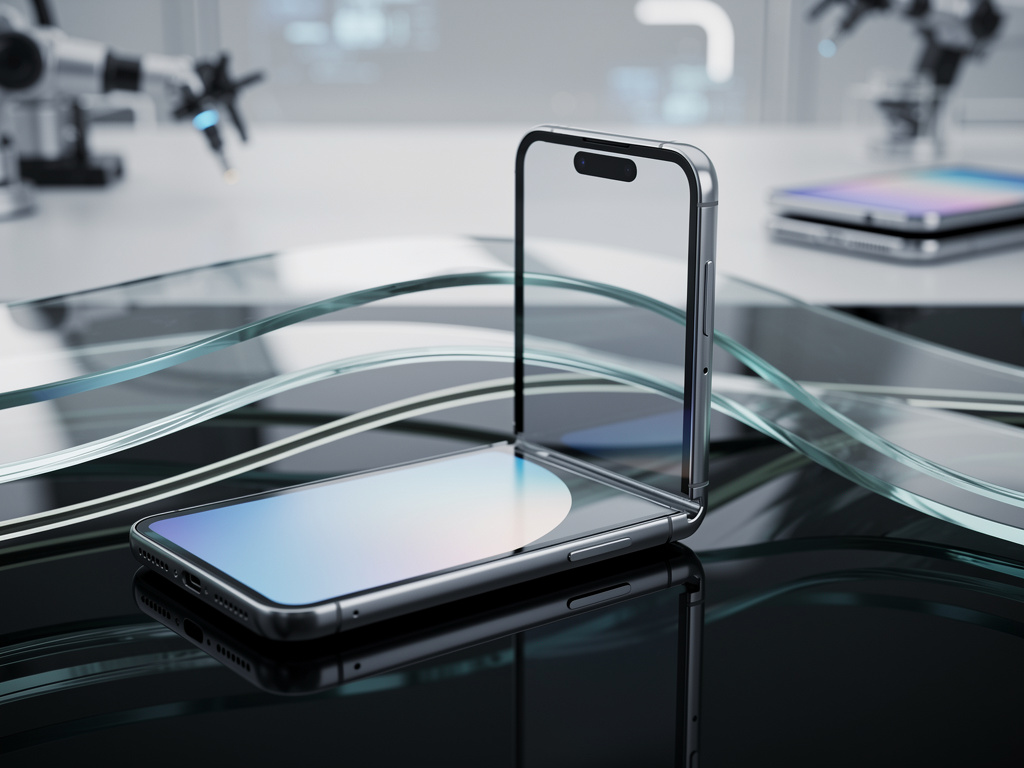
Apple’s Foldable Quest: Chasing the Invisible Crease in a Bendable Future
Apple Inc. has long been synonymous with innovation in consumer electronics, but its entry into the foldable smartphone arena has been marked by cautious steps and high expectations. As rumors swirl about a potential 2026 launch for a foldable iPhone, recent reports highlight ongoing challenges in perfecting a crease-free display. This pursuit underscores Apple’s commitment to premium quality, even if it means delaying market entry. Drawing from industry leaks and supply chain insights, the company’s engineers are reportedly grappling with ultra-thin flexible glass technology to eliminate the visible fold line that plagues competitors’ devices.
The foldable market, dominated by players like Samsung and Google, has seen devices improve over generations, yet the crease remains a persistent flaw. Apple’s approach, as detailed in various reports, involves testing uneven-thickness glass panels—thinner in the folding area for flexibility and thicker elsewhere for durability. This method aims to create a seamless visual experience when the device is unfolded, potentially setting a new standard. However, technical hurdles persist, with sources indicating that the glass may not yet meet Apple’s rigorous standards for mass production.
Insiders suggest that the foldable iPhone, often referred to as the “iPhone Fold,” is designed in a book-style format, folding horizontally like a notebook. This design choice aligns with Apple’s ecosystem, allowing for larger screens without increasing the device’s footprint when closed. But achieving a crease-free display requires breakthroughs in materials science, including advanced polymers and glass compositions that can withstand repeated folding without degrading.
Engineering Hurdles in Display Innovation
Recent coverage from AppleInsider points to potential delays, noting that the crease-free screen glass might not be ready for the anticipated fall launch. The article cites Weibo leaker Digital Chat Station, who revealed Apple’s testing of next-generation ultra-thin flexible glass (UFG) with varying thicknesses. This uneven design is intended to enhance flexibility in critical areas while maintaining structural integrity, but prototypes are still under evaluation, raising questions about timelines.
Complementing this, a report from MacRumors echoes the testing phase, emphasizing Apple’s goal to make the crease invisible. The publication references the same leaker, suggesting that while progress is being made, the technology is not fully resolved. This aligns with broader industry trends where foldable displays have evolved, but Apple’s entry could disrupt the status quo by prioritizing aesthetics and user experience over speed to market.
On social platforms like X (formerly Twitter), sentiment reflects a mix of excitement and skepticism. Posts from tech enthusiasts and leakers highlight the competitive pressure, with some noting that rivals like Samsung are also advancing toward crease-minimizing designs. One post speculated that delays could diminish Apple’s “wow factor” if other brands beat them to a truly seamless foldable. This public discourse underscores the high stakes, as consumers increasingly demand devices that blend form and function without compromises.
Supply Chain Dynamics and Prototyping Phases
Delving deeper into the development process, Apple’s foldable project has reportedly entered the engineering validation stage, as per a November report from MacRumors. This phase involves rigorous testing of components, including the display, to ensure they meet durability standards. Sources within the supply chain indicate that Apple has “solved the crease problem” in prototypes, positioning the iPhone Fold as potentially the first crease-free foldable smartphone. Yet, conflicting reports suggest lingering issues, illustrating the iterative nature of such innovations.
A piece from TechRadar highlights ongoing technical challenges, stating that Apple “may not have quite got there yet” in eliminating creases entirely. This cautionary note comes amid rumors of a 2026 launch, with the device expected to feature a visually imperceptible fold line. The article posits that Apple’s perfectionism could lead to further refinements, potentially pushing back production ramps.
X posts from industry watchers, including those from accounts like AppleTrack, have amplified these developments. One such post from earlier this year claimed Apple achieved a breakthrough with no visible crease, citing reports that the company would fix the issue “regardless of price.” This reflects a broader narrative where Apple’s willingness to invest heavily in R&D could yield a superior product, even as it navigates complex manufacturing partnerships with suppliers like Corning or Samsung Display.
Competitive Pressures and Market Implications
The broader context of foldable technology reveals a segment still maturing, with sales representing a small fraction of the overall smartphone market. Apple’s hesitation, as noted in a post by Bloomberg’s Mark Gurman on X, stems from dissatisfaction with creased prototypes, which the company deems unacceptable. This stance contrasts with competitors who have iterated through multiple generations, gradually improving crease visibility and device thinness.
Insights from Gadget Hacks describe the persistent crease as a “glaring problem” in current foldables, praising Apple’s potential breakthrough as a game-changer. The site details how Apple’s use of state-of-the-art laser-drilled metal display plates could enable a creaseless experience, with rumors pointing to a $1,999 starting price for the device upon its 2026 debut.
Meanwhile, a report from WebProNews outlines Apple’s strategy with UFG, noting technical challenges but affirming a target for next year. This could redefine foldables, challenging Samsung’s dominance and introducing features like enhanced durability and aesthetics that appeal to Apple’s loyal customer base.
Material Science Breakthroughs and Future Prospects
At the heart of Apple’s efforts is materials innovation, particularly in glass technology. Reports indicate collaborations with specialized suppliers to develop glass that bends without breaking or creasing visibly. For instance, the uneven thickness approach allows for a thinner folding section, reducing stress points, while thicker borders provide rigidity. This is crucial for a device expected to fold thousands of times over its lifespan without performance degradation.
From 9to5Mac, a leak suggests the crease-free design is “still very much in flux,” implying ongoing adjustments. This fluidity in development highlights the complexity of scaling lab prototypes to mass production, where factors like yield rates and cost become pivotal.
Social media buzz on X, including posts from tech analysts, speculates on the implications of these challenges. Some users express concern over potential delays, noting that if Apple’s foldable arrives after competitors perfect their own crease-free models, it might lose its innovative edge. Others praise the company’s methodical pace, drawing parallels to past successes like the iPhone’s touchscreen revolution.
Durability Concerns and User Experience Focus
Beyond the crease, durability remains a key concern. Foldable devices must endure daily use, including drops and environmental exposure. Apple’s testing regimen, as inferred from various sources, includes simulations of repeated folding to ensure longevity. The goal is a device that feels like a standard iPhone—slim, robust, and intuitive—without the bulk associated with early foldables.
A report from iClarified discusses Apple’s targeting of a “visually crease-free” display through new UFG tech, with testing ongoing for a 2026 rollout. This emphasis on visual perfection aligns with Apple’s brand ethos, where even minor imperfections can deter premium buyers.
X discussions often touch on consumer priorities, with posts emphasizing that features like a seamless display could drive adoption. One thread highlighted the engineering feat of a nearly invisible crease and durable hinge, suggesting Apple aims for a foldable that integrates seamlessly into its ecosystem, perhaps with unique software optimizations for the larger unfolded screen.
Timeline Uncertainties and Strategic Positioning
As 2026 approaches, timeline uncertainties loom large. Early reports, such as one from MacRumors in February, touted significant headway with no visible crease, but more recent updates indicate setbacks. This ebb and flow is typical in tech development, where ambitious goals meet real-world constraints.
From Wccftech, rumors detail Apple’s testing of various UFG variants to overcome hurdles, acknowledging production challenges but maintaining optimism for the foldable flagship.
Public sentiment on X, captured in posts from leakers and journalists, reflects anticipation mixed with impatience. Speculation about a delay to 2027, echoing older reports like one from 9to5Mac, adds to the intrigue, positioning Apple’s eventual entry as a potential market shifter.
Ecosystem Integration and Broader Innovations
Looking ahead, the foldable iPhone isn’t just about hardware; it’s about ecosystem synergy. Integration with iOS could offer split-screen multitasking optimized for the folding form, enhancing productivity. Apple’s history of software-hardware harmony suggests this device could introduce novel features, like adaptive interfaces that change based on fold state.
Industry observers note that solving the crease could pave the way for foldables in other products, such as iPads or even Macs. However, current focus remains on the iPhone, with reports indicating redirected resources from projects like Vision Pro to bolster foldable development.
In the realm of X conversations, enthusiasts debate pricing and features, with some predicting that a crease-free design justifies a premium cost. This consumer feedback loop influences perceptions, as Apple navigates the balance between innovation and market readiness.
Potential Impact on Industry Standards
If Apple succeeds, the iPhone Fold could elevate industry standards, forcing competitors to accelerate their own advancements. The emphasis on a flawless display might shift focus from gimmicky folds to practical, durable designs that appeal to mainstream users.
Sources like Gadget Hacks have lauded this potential, describing it as the “first crease-free display” breakthrough. Combined with Apple’s supply chain prowess, this could lead to economies of scale that benefit the entire sector.
Ultimately, as development continues, the foldable iPhone represents Apple’s bet on the future of mobile computing—a blend of elegance and functionality that could redefine user expectations in an ever-evolving tech arena. With challenges persisting, the journey toward a crease-free reality remains a testament to the company’s enduring pursuit of perfection.


 WebProNews is an iEntry Publication