
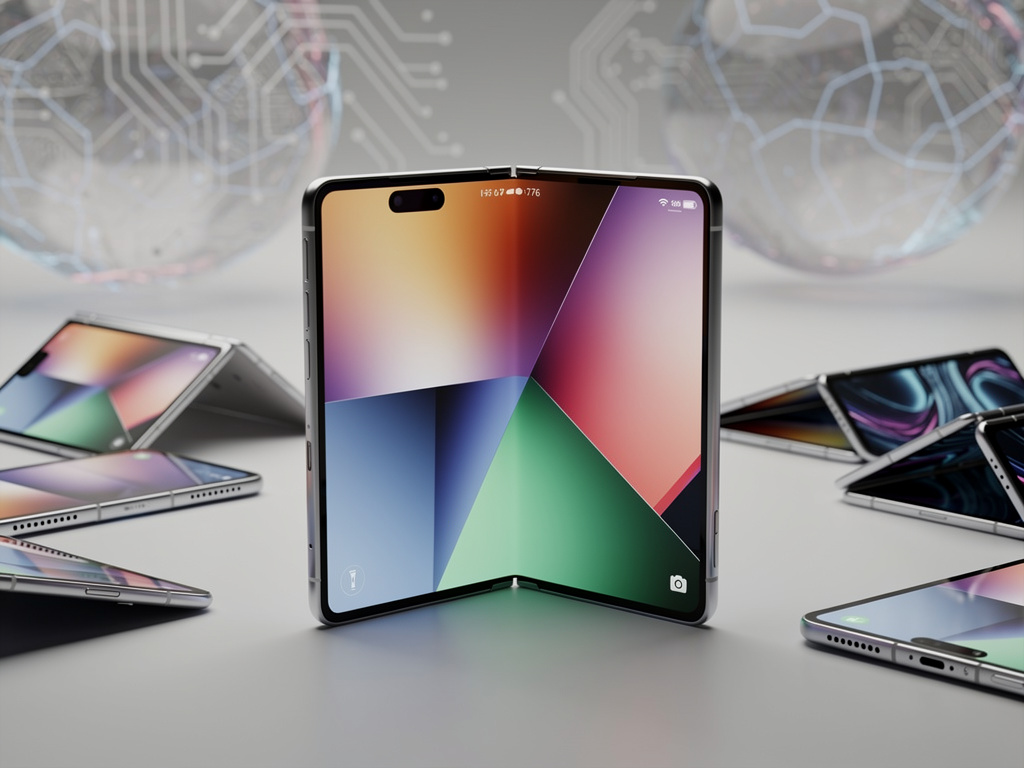
Apple’s ambitions in the foldable smartphone arena are heating up, with recent leaks and analyst reports pointing to a 2026 debut for what could be the company’s most transformative iPhone since the original. Drawing from a flurry of supply-chain whispers and internal prototypes, the device—tentatively dubbed the iPhone Fold—promises to blend Apple’s hallmark polish with the versatility of folding screens. But as with many of Apple’s high-stakes ventures, challenges in production and design refinement are casting shadows over its timeline.
Insiders familiar with Apple’s development process describe a device that adopts a book-style fold, akin to Samsung’s Galaxy Z Fold series, featuring an expansive inner display that unfolds to around 7.76 inches. This setup would allow users to switch seamlessly between a compact phone and a tablet-like experience, potentially redefining multitasking on iOS. Leaks from CAD renders, as reported by ZeeRa Wireless, suggest dimensions that prioritize slimness: about 9.6mm when folded and a remarkably thin 4.5mm to 4.8mm when open, rivaling the sleekness of current flagships.
Analyst Ming-Chi Kuo, a reliable voice on Apple matters, has noted persistent hurdles in achieving a crease-free display, a key differentiator Apple aims to deliver. Unlike competitors that have tolerated visible folds, Apple is pushing for near-invisible seams, which has led to delays in panel sourcing from partners like Samsung Display and LG. This pursuit of perfection echoes Apple’s history of entering markets late but with superior execution, as seen with the Apple Watch or AirPods.
Design Innovations and Challenges
The iPhone Fold’s outer screen is rumored to measure around 5.25 inches, providing a functional cover display for quick glances and interactions without unfolding. Camera setups are expected to include a dual 48-megapixel rear system, optimized for both folded and unfolded modes, with an under-display front camera on the main screen to maintain an uninterrupted viewing area. Posts on X from tech enthusiasts, including detailed spec breakdowns, highlight excitement around a titanium body and side-mounted fingerprint scanner, potentially supplementing Face ID for added security in various form factors.
Production timelines remain fluid. According to a report in Mashable, while a reveal is slated for 2026, delivery delays could push shipments into 2027 due to technical snags in hinge durability and display longevity. Kuo’s updates, shared via GSMArena, reinforce this, suggesting Apple is testing prototypes rigorously to ensure the device withstands thousands of folds without degradation—a standard that has tripped up early foldables from other brands.
Beyond hardware, software integration will be pivotal. iOS adaptations for the foldable form are underway, with features like split-screen apps and enhanced continuity between screens. Leaked internal roadmaps, as detailed in MacRumors, indicate the iPhone Fold launching alongside the iPhone 18 series, powered by an A20 Pro chip and Apple’s in-house C2 modem for improved connectivity. This chipset could enable advanced AI capabilities, building on recent integrations like ChatGPT in Apple Music.
Market Positioning and Competitive Pressures
Apple’s entry into foldables comes at a time when the segment is maturing, with Samsung, Google, and Huawei already iterating on multiple generations. Yet, Apple’s ecosystem lock-in—tying the device to services like iCloud, Apple Pay, and the App Store—could give it an edge. Industry observers on X express optimism, with posts noting that a foldable iPhone might finally mainstream the category, much like the iPhone did for touchscreens in 2007.
Pricing speculation centers on a premium tag, likely starting at $1,500 or more, positioning it as a high-end alternative to the iPhone Pro Max line. This strategy aligns with Apple’s focus on profitability over volume, but it risks alienating price-sensitive consumers in emerging markets. Reports from MacRumors suggest Apple is exploring ways to mitigate costs, such as shared components with existing iPhones, to keep margins healthy.
Competitive dynamics are intensifying. Samsung has confirmed plans to supply foldable panels to a major U.S. client, widely believed to be Apple, as per X posts from analysts. This partnership could accelerate development, but it also underscores Apple’s reliance on external expertise for cutting-edge display tech. Meanwhile, Chinese rivals like Honor and Xiaomi are pushing ultra-thin foldables, pressuring Apple to innovate beyond mere hardware specs.
Supply Chain Insights and Global Implications
Diving deeper into the supply chain, Apple’s foldable push involves key players in Asia. Leaks indicate Samsung Display is ramping up production of crease-resistant OLED panels, tailored to Apple’s exacting standards. A report from India Today details a titanium frame that enhances durability while keeping weight down, potentially making the device lighter than current foldables despite its size.
Global economic factors play a role too. With U.S.-China trade tensions, Apple is diversifying manufacturing away from China, possibly assembling the iPhone Fold in India or Vietnam. This shift, highlighted in recent X discussions, could impact launch timelines but bolster resilience against geopolitical risks. Analyst reports predict initial production runs will be limited, testing market reception before scaling up.
On the innovation front, the device might incorporate self-healing materials for the display, a rumor circulating on tech forums and backed by patents Apple has filed. This could address common pain points like scratches and creases, setting a new benchmark. Furthermore, environmental considerations are in play; Apple aims for recycled materials in the chassis, aligning with its carbon-neutral goals by 2030.
Technological Hurdles and Future Roadmap
Hurdles in battery life and thermal management are critical, given the larger screen’s power demands. Prototypes reportedly feature advanced cooling systems and efficient chipsets to prevent overheating during extended use. Insights from TechRadar emphasize Apple’s ongoing struggles with crease elimination, with engineers iterating on polymer layers and hinge mechanisms to achieve a seamless fold.
Looking ahead, Apple’s 2026-2027 roadmap, as outlined in ZeeRa Wireless posts, includes not just the foldable but also slimmer models like an iPhone 17e and under-display Face ID in Pro variants. This broader strategy suggests the foldable is part of a portfolio refresh, aiming to counter slowing iPhone sales growth. Bloomberg’s Mark Gurman, via X, has described the launch as Apple’s “most un-Apple like” yet, implying a departure from its secretive norms due to the hype.
Integration with Apple’s ecosystem could be a game-changer. Imagine unfolding the device to reveal a mini iPad experience, with seamless handoff to Macs or iPads. Developers are already being prepped for foldable-optimized apps, per internal betas mentioned in MacRumors. This could spur a wave of software innovation, from productivity tools to immersive gaming.
Consumer Expectations and Industry Impact
Consumer sentiment, gauged from X trends, is mixed: excitement over Apple’s entry tempered by concerns about price and reliability. Early adopters anticipate a device that “just works,” free from the glitches that plagued first-gen foldables. Polls on social platforms show strong interest among professionals who value portability without sacrificing screen real estate.
For the industry, Apple’s involvement validates foldables as more than a niche. It could accelerate adoption rates, pushing competitors to refine their offerings. Suppliers stand to benefit, with increased demand for flexible components rippling through the tech supply chain. However, if delays mount, it might give rivals like Samsung more time to entrench their positions.
Regulatory scrutiny is another layer. In the U.S. and EU, antitrust concerns over Apple’s ecosystem could influence how the device is marketed, especially if it locks users into proprietary features. Recent news highlights ongoing probes into app store practices, which might indirectly affect foldable app distribution.
Strategic Bets and Long-Term Vision
Strategically, the iPhone Fold represents Apple’s bet on hybrid devices bridging phones and tablets. By 2027, if launched successfully, it could capture a significant share of the premium market, estimated to grow 20% annually. Analysts project foldable shipments reaching 50 million units globally by then, with Apple potentially claiming a third.
Innovation doesn’t stop at hardware; AI enhancements via Apple Intelligence could make the foldable a powerhouse for on-device processing, from real-time translation to advanced photo editing. X posts speculate on features like adaptive interfaces that change based on fold angle, enhancing usability.
Ultimately, Apple’s cautious approach—refining until ready—may pay off, turning skepticism into acclaim. As prototypes evolve, the tech world watches closely, anticipating a device that could redefine mobile computing once more. With production ramps expected soon, 2026 might indeed mark the foldable era’s true arrival under Apple’s stewardship.


 WebProNews is an iEntry Publication