
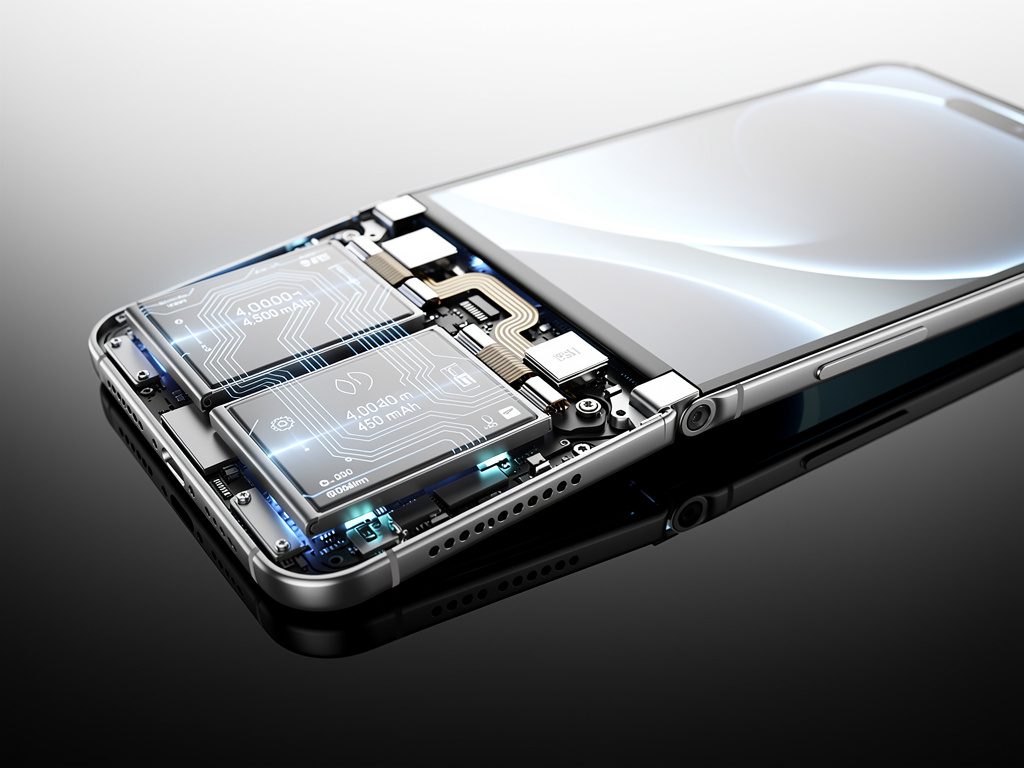
Apple’s long-rumored foldable iPhone is finally taking concrete shape, with new technical specifications revealing a sophisticated approach to one of the most challenging aspects of flexible device design: battery technology. According to recent leaks analyzed by Android Authority, the Cupertino giant is planning to implement a dual-battery system with a combined capacity of approximately 4,000-4,500 mAh, a configuration that represents both innovation and compromise in the emerging foldable smartphone market.
The leaked specifications suggest Apple is taking a measured approach to its first foldable device, eschewing the massive battery capacities found in some Android competitors in favor of a more balanced design philosophy. This strategic decision reflects Apple’s historical emphasis on optimizing hardware and software integration rather than simply maximizing raw specifications. Industry analysts suggest this approach could differentiate Apple’s foldable from existing market offerings while maintaining the premium user experience the company’s customers expect.
The dual-battery configuration reportedly features two separate cells positioned on either side of the device’s hinge mechanism, a design choice that addresses the fundamental engineering challenge of placing traditional battery technology in a device that must fold repeatedly. This architecture has become standard among Android foldable manufacturers, but Apple’s implementation is expected to incorporate proprietary power management systems that could extract greater efficiency from seemingly modest capacity numbers.
Engineering Challenges Define Battery Architecture Decisions
The technical constraints of foldable device design create unique challenges for battery placement and capacity. Unlike traditional smartphones where engineers can utilize a single, optimally-shaped battery to fill available internal space, foldable devices must accommodate complex hinge mechanisms, multiple display layers, and the structural reinforcement necessary to withstand thousands of folding cycles. These requirements inevitably reduce the total volume available for battery cells, forcing manufacturers to make difficult tradeoffs between device thickness, durability, and power capacity.
Apple’s rumored 4,000-4,500 mAh combined capacity positions the device below flagship Android foldables like the Samsung Galaxy Z Fold 6, which features a 4,400 mAh battery, and significantly below the honor Magic V3’s 5,150 mAh capacity. However, direct capacity comparisons often prove misleading when evaluating Apple products due to the company’s tight integration between its custom silicon, operating system, and power management algorithms. The iPhone 15 Pro Max, for instance, delivers competitive battery life with a 4,422 mAh battery despite Android flagships often sporting 5,000 mAh or larger cells.
The dual-battery architecture also introduces complexity in charging management and thermal distribution. Each cell requires independent monitoring and charging circuitry, while the system must balance power draw between the two batteries to ensure even degradation over time. Apple’s expertise in battery management systems, honed over years of optimizing iPhone and MacBook performance, could prove crucial in extracting maximum longevity and performance from this split-battery design.
Market Positioning and Competitive Dynamics
The foldable smartphone market remains a premium niche segment, with devices commanding prices well above $1,500 and attracting early adopters willing to accept compromises for cutting-edge form factors. Apple’s entry into this space could dramatically reshape market dynamics, given the company’s track record of refining emerging technologies and bringing them to mainstream audiences. However, battery performance will prove critical to customer acceptance, particularly given the premium pricing Apple products typically command.
Samsung currently dominates the foldable market with approximately 80% market share, having refined its Galaxy Z Fold and Z Flip series through multiple generations. Chinese manufacturers including Huawei, Oppo, and Xiaomi have also introduced competitive devices with increasingly impressive specifications. Apple’s delayed entry allows the company to learn from competitors’ missteps while potentially leapfrogging existing solutions through proprietary innovations in materials science, display technology, and power management.
The battery capacity decision also reflects Apple’s likely positioning of the foldable iPhone as a productivity-focused device rather than a media consumption powerhouse. A device designed for multitasking, email management, and professional applications requires different power optimization than one primarily used for video streaming and gaming. Apple’s software ecosystem, including optimizations in iOS and productivity apps, could compensate for modest battery capacity through intelligent power management and task-specific efficiency improvements.
Supply Chain Implications and Manufacturing Complexity
Battery sourcing and manufacturing for foldable devices presents unique supply chain challenges. The specialized cells required for dual-battery configurations must meet stringent safety standards while maintaining flexibility and durability through thousands of folding cycles. Apple’s supply chain partners, likely including established battery manufacturers such as Amperex Technology Limited (ATL) and LG Energy Solution, must develop custom solutions meeting Apple’s exacting specifications for energy density, charging performance, and longevity.
The production volumes Apple typically demands could drive innovations in foldable battery technology that benefit the broader industry. Apple’s entry into any product category historically accelerates component development and manufacturing scale, reducing costs and improving performance across the market. Battery manufacturers investing in capacity and technology to meet Apple’s requirements will likely offer improved solutions to other smartphone makers, potentially advancing the entire foldable device ecosystem.
Manufacturing complexity also affects pricing strategy and market positioning. The specialized components, complex assembly processes, and lower initial production volumes of foldable devices drive costs significantly above traditional smartphones. Apple must balance its reputation for premium pricing against the need to make its foldable offering competitive with established Android alternatives. Battery performance and longevity will factor heavily into customer value perceptions, making the power system a critical element of the overall product proposition.
Software Optimization and User Experience Considerations
Apple’s control over both hardware and software provides unique opportunities for battery optimization unavailable to Android manufacturers. iOS can be specifically tuned to the foldable form factor, with intelligent power management that adjusts performance based on usage patterns, screen configuration, and application demands. Features like adaptive refresh rates, background app management, and processor throttling can extend battery life without compromising user experience, effectively multiplying the value of each milliamp-hour of capacity.
The company’s track record with battery health management, including features that reduce charging speeds to preserve long-term battery longevity, suggests the foldable iPhone will include sophisticated systems for maintaining performance over the device’s lifecycle. Given the premium pricing and extended ownership periods typical of Apple products, customers expect devices that maintain performance for three to five years or longer. The battery system must support this expectation despite the additional stress imposed by the folding mechanism and dual-cell architecture.
Application developers will also play a crucial role in battery performance. Apple’s developer ecosystem and strict app review processes enable the company to enforce power efficiency standards and encourage optimization for new form factors. Apps specifically designed to leverage the foldable display while minimizing power consumption could significantly enhance the device’s practical battery life, creating a virtuous cycle where software optimization compensates for hardware constraints.
Future Implications for Mobile Device Design
Apple’s approach to foldable battery technology may establish new industry standards for balancing capacity, form factor, and user experience. The company’s decisions often influence broader market trends, and a successful foldable iPhone could validate specific design philosophies while rendering others obsolete. Competitors will closely watch customer reception and battery performance metrics, potentially adjusting their own strategies based on Apple’s success or challenges.
The leaked specifications also raise questions about Apple’s longer-term foldable strategy. A 4,000-4,500 mAh capacity suggests a relatively compact device, possibly indicating a book-style foldable similar to the Samsung Galaxy Z Fold series rather than a flip-phone format like the Z Flip. This positioning would align with Apple’s focus on productivity and professional users while potentially leaving room for future flip-style variants targeting different market segments.
As battery technology continues evolving, with solid-state batteries and advanced lithium-ion chemistries promising higher energy densities and improved safety, Apple’s foldable platform could incorporate next-generation power systems in future iterations. The company’s substantial research and development investments in battery technology, driven by needs across its product portfolio from iPhones to electric vehicles, position it to rapidly adopt breakthrough innovations as they become commercially viable. The first-generation foldable iPhone’s battery system, while potentially modest by current standards, establishes a foundation for continuous improvement through both hardware evolution and software optimization.
The convergence of foldable form factors, advanced battery technology, and sophisticated power management systems represents a pivotal moment in smartphone evolution. Apple’s entry into this space, backed by its engineering expertise and ecosystem advantages, could finally bring foldable devices from niche curiosity to mainstream acceptance, with battery performance serving as a critical enabler of that transition.


 WebProNews is an iEntry Publication