
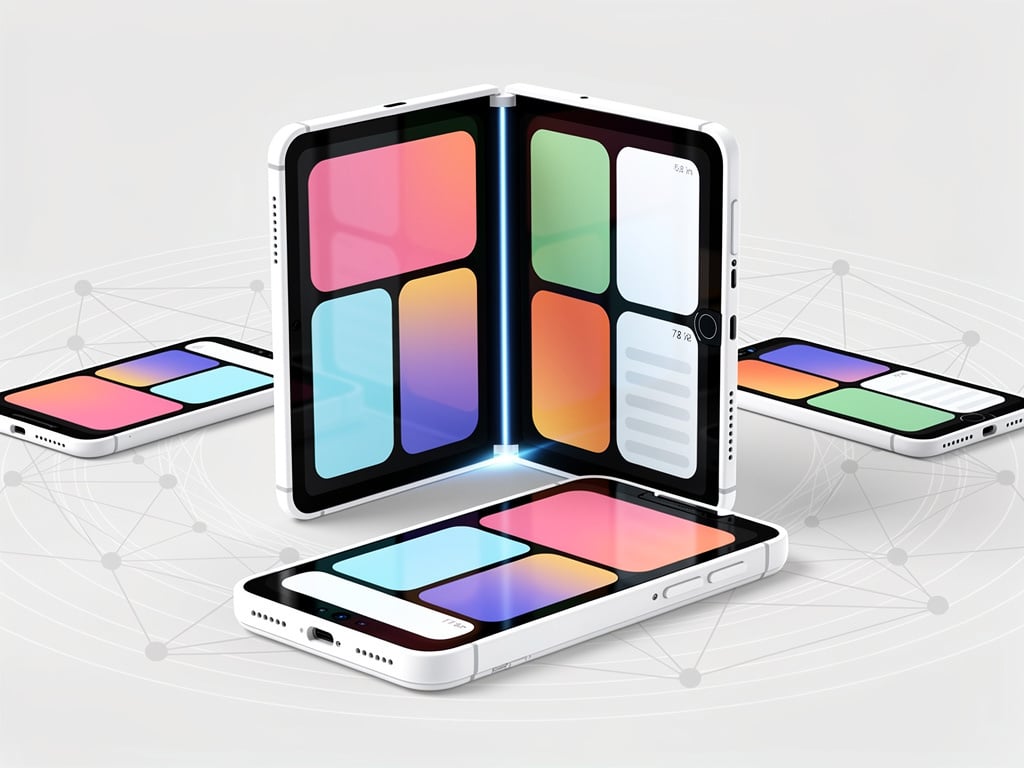
Leaked photos of metal dummy units for Apple’s first foldable phone have surfaced online. They show a device that looks nothing like the iPhones millions of users carry today. Short. Wide. Almost passport-shaped when closed. The images, posted by leaker Sonny Dickson on June 7, immediately drew attention from analysts and enthusiasts alike.
The dummy units appeared alongside models for the iPhone 18 Pro and iPhone 18 Pro Max. That context helps. It places the foldable squarely in Apple’s 2026 lineup. Digital Trends examined the shots closely. The writer noted the closed form factor sits closer to a passport than any current iPhone. Observers quickly agreed. This isn’t a slim flip phone. It’s a book-style foldable built for more screen real estate.
When opened, the inner display measures roughly 7.8 inches. That size approaches an iPad mini. The outer screen lands around 5.5 inches, enough for basic tasks without unfolding. A front camera sits in the top-left corner of the inner panel. No notch. No Dynamic Island. Just a simple punch-hole cutout. The shift feels deliberate. Apple appears willing to sacrifice some signature design elements to hit its targets on thinness and usability.
One detail stands out. The dummy shows only white as a color option. “It doesn’t look like Apple will offer multiple colors, with white currently appearing to be the only option,” Dickson wrote in his post. The single-color approach echoes Apple’s original AirPods strategy. It could signal tight supply constraints or a focused launch. Either way, it surprised many who expected the usual palette of black, silver and beyond.
But the absence of Face ID may surprise people more. The front panel is simply too thin to house the full sensor array. Instead, the device relies on Touch ID embedded in the side button. This marks a return to fingerprint authentication for an iPhone. Bloomberg first reported the change in March. The news outlet cited people familiar with the plans and noted the outer display would measure about the size of a small iPhone while the inner one would support iPad-like layouts. Bloomberg added that iOS updates would enable side-by-side apps for the first time on an iPhone. The software adaptation matters as much as the hardware here.
Recent supply-chain updates reinforce the timeline. Apple remains on track to introduce the foldable in September 2026 alongside the iPhone 18 Pro models. That schedule held firm even after earlier whispers of manufacturing snags. Mark Gurman of Bloomberg reported in April that the company planned to stick with the fall window. Bloomberg quoted sources who described the project as stable. Production trial runs have reportedly begun. Yet technical hurdles persist. Crease visibility, hinge durability and battery life in such a compact folded form all demand attention.
The dummy units reveal more. Two rear cameras sit in a raised pill-shaped module that covers about two-thirds of the back. No full-width camera bar like on recent Pros. No visible MagSafe ring either. The thin chassis leaves little room for the charging coil. A SIM slot appears absent, matching the iPhone 17 Air’s direction toward eSIM only. These choices point to a device engineered first for minimal thickness. Everything else follows.
Analysts have tracked Apple’s foldable ambitions for years. Early prototypes date back to 2021. The company examined both clamshell and book-style designs before committing. Samsung dominated the category in the meantime. Its Galaxy Z Fold and Z Flip lines refined the mechanics through multiple generations. Apple watched. Learned. Now it enters with advantages in software integration and brand power. But it also faces higher expectations. Consumers won’t tolerate a visible crease or fragile hinge from a company known for polish.
MacRumors tracked the dummy leaks from their first appearance in early April. The site noted that the models match previously rumored dimensions and include the expected two-lens camera system. MacRumors highlighted the absence of an Action Button. The thin body likely forced that compromise too. Battery capacity rumors point to 5,400 to 5,800 milliamp-hours. That would rank as the largest in iPhone history and help offset the power demands of a larger foldable screen.
Software plays a decisive role. iOS 27 is expected to bring split-view multitasking to the inner display. Apps could run side by side much like on an iPad. Yet Apple reportedly won’t allow full iPad apps on the device. The experience stays within the iPhone app library, just rearranged for the new canvas. This decision avoids fragmenting the developer base while still delivering meaningful productivity gains. The Verge covered the interface plans in March and emphasized how the wider aspect ratio on the inner screen would differ from current foldables on the market. The Verge also confirmed the Touch ID shift as a direct result of the thin front panel.
Price predictions vary. Most estimates place the device between $1,800 and $2,500. That positions it as a premium alternative to Samsung’s top foldables rather than a mass-market option. Apple rarely leads with low prices. The company will likely market the foldable as a new category that combines phone, mini tablet and productivity tool in one. Success will depend on whether buyers see enough daily value to justify the cost.
Recent online discussion shows divided opinions. Some X users praise the passport-like closed form for pocketability. Others question the wide stance and limited colors. One post highlighted the 7.8-inch inner display paired with a nearly invisible crease. Another noted the potential for the outer screen to inspire a future compact iPhone model. The conversation continues as more leaks emerge. Yet the core facts remain consistent across sources.
PhoneArena reviewed the latest expectations in early June. The outlet reported that the foldable could carry the name iPhone Fold or possibly iPhone Ultra. It also cited persistent analyst confidence in a September debut despite occasional delay rumors. PhoneArena stressed that Mark Gurman continues to view the timeline as unchanged. That matters. Gurman’s track record on Apple plans often proves reliable.
The dummy units themselves come from factories that produce test models for case makers and accessory designers. Their accuracy tends to be high once they reach this stage. Earlier 3D-printed versions based on CAD files showed similar proportions. The metal versions add weight and realism. They feel closer to a finished product. Hands-on videos from tech reviewers who obtained the dummies describe a sturdy hinge and balanced weight distribution. The crease, while present, appears minimized in the closed and open states.
Apple has not commented on any of the leaks. The company maintains its standard silence until official announcements. That leaves the market to speculate. Will the foldable include an A20 Pro chip with 12 gigabytes of RAM? Rumors suggest yes. A custom C2 modem could handle connectivity. Dual 48-megapixel rear cameras would align with Apple’s camera ambitions. Each element fits the broader pattern of incremental but thoughtful advancement.
One thing feels clear. Apple didn’t rush. The company spent years studying competitor devices, testing display technologies and refining the user interface. The result may not look revolutionary at first glance. But its integration of hardware, software and services could set a new standard. Early adopters will test the hinge thousands of times. Reviewers will measure crease visibility under different lighting. Buyers will decide if the productivity features outweigh the higher price.
Until then, these dummy units offer the best glimpse yet. They show a device that prioritizes thinness, screen size and practical biometrics over familiar iPhone conventions. White only. Side button fingerprint. Passport proportions. The choices reflect trade-offs. They also signal Apple’s determination to enter the foldable market on its own terms. The coming months will reveal whether those terms satisfy the audience that has waited half a decade for an Apple-branded fold.


 WebProNews is an iEntry Publication