
The Phantom Wheels: Airbnb’s Accidental Reveal of Apple’s Abandoned Automotive Ambitions
In the ever-evolving world of technology giants venturing beyond their core domains, few sagas have captured as much intrigue as Apple’s foray into the automotive sector. For years, whispers of “Project Titan,” Apple’s secretive electric vehicle initiative, fueled speculation and skepticism alike. The project, which reportedly began in 2014, aimed to revolutionize personal transportation with a blend of cutting-edge autonomy and seamless integration of Apple’s ecosystem. Yet, by early 2024, the endeavor was officially shuttered, leaving behind a trail of unanswered questions and redirected talent. Now, in 2026, an unexpected source has reignited the conversation: Airbnb, the home-sharing platform, appears to have inadvertently confirmed the existence of tangible prototypes from Apple’s car efforts.
This revelation stems from a recent promotional campaign by Airbnb, where listings for unique experiences included what seemed like glimpses of Apple’s vehicular prototypes. As detailed in an article from AppleInsider, the listings showcased properties that housed remnants of Project Titan, including design mockups and testing equipment. Industry insiders view this as more than a coincidence, suggesting that former Apple engineers or partners might have repurposed these assets for experiential rentals. The exposure not only validates the project’s reality but also highlights how Apple’s ambitions extended far beyond software into hardware innovation.
Delving deeper, the timeline of Project Titan reveals a decade of ambition marred by internal strife and shifting priorities. According to a comprehensive retrospective in The New York Times, disagreements over the vehicle’s autonomy level—from full self-driving capabilities to more modest assisted features—plagued the initiative. Initial visions included a steering-wheel-free design, but regulatory hurdles and technological limitations forced repeated pivots. By 2024, as reported in Bloomberg, Apple had dialed back to a 2028 launch with limited self-driving features, only to cancel it entirely shortly after.
Echoes of Innovation in a Canceled Dream
The cancellation, announced internally in February 2024, affected around 2,000 employees, many of whom transitioned to Apple’s burgeoning generative AI division. Posts on X from that period, including those from prominent tech commentators, expressed a mix of disappointment and pragmatism, noting the project’s multi-billion-dollar investment and its redirection toward more profitable AI pursuits. This shift underscores a broader strategic realignment at Apple, where resources are increasingly funneled into software and services rather than hardware gambles in unfamiliar territories.
Despite the shutdown, remnants of Project Titan continue to surface in unexpected ways. The Airbnb listings, as explored in the AppleInsider piece, describe accommodations that include interactive exhibits of Apple’s automotive tech, such as augmented reality interfaces for vehicle controls. This not only confirms the project’s physical manifestations but also hints at how Apple’s design philosophy—minimalist, user-centric, and ecosystem-integrated—could have disrupted the auto industry. Insiders speculate that these prototypes were stored in private facilities, now leased out for novelty stays, providing a rare peek into what might have been.
Further context comes from historical partnerships that Apple pursued during the project’s active phase. In 2018, collaborations with Volkswagen for autonomous shuttles were reported, as noted in Wikipedia‘s entry on the topic. These efforts involved registering dozens of self-driving test vehicles in California, amassing a fleet that rivaled those of established players like Waymo. Yet, by 2020, the focus had reportedly narrowed to software and services, foreshadowing the eventual pivot away from a full-fledged car.
Strategic Pivots and Market Realities
Apple’s decision to abandon the car wasn’t made in isolation. A timeline compiled by TechCrunch illustrates a pattern of false starts, including leadership changes and conceptual overhauls. One pivotal moment came in 2024 when, facing escalating costs and competition from Tesla and Chinese EV makers, Apple opted to reallocate funds. This mirrors sentiments echoed in recent X discussions, where users debate the economic viability of entering a market dominated by low-margin manufacturing.
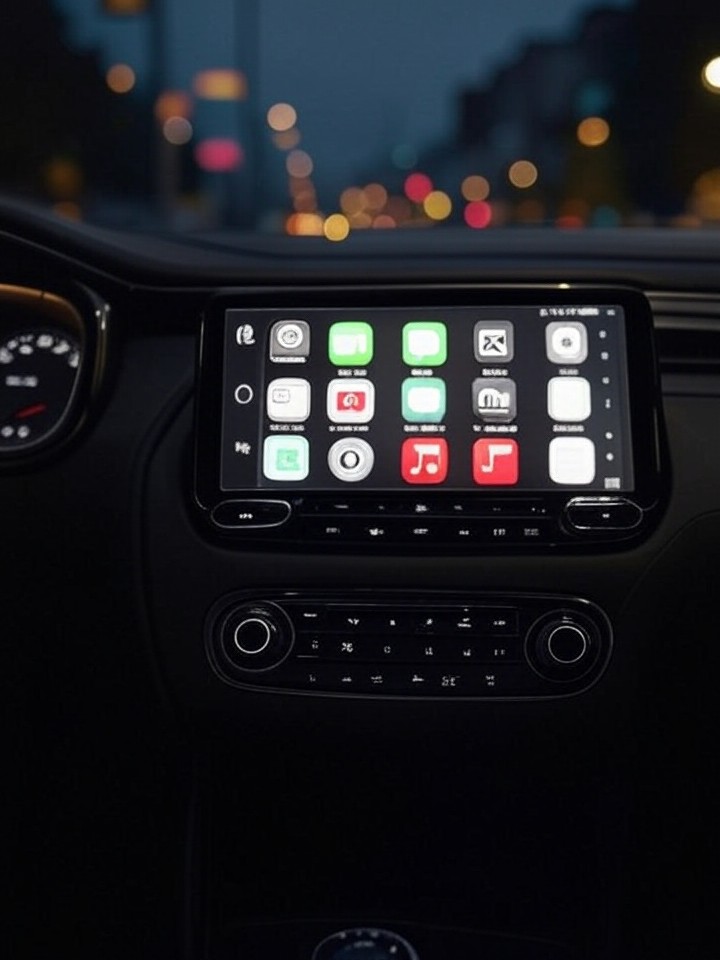
In the wake of cancellation, Apple’s automotive aspirations have manifested in subtler forms. The launch of CarPlay Ultra in 2025, as announced in an Apple Newsroom release, represents a scaled-down version of Titan’s vision. This advanced infotainment system, now rolling out in vehicles like Aston Martins, integrates deeply with Apple’s AI features, offering predictive navigation and voice-activated controls. It’s a testament to how Project Titan’s innovations live on, repurposed for partnerships rather than proprietary hardware.
Recent developments in 2026 further blur the lines between cancellation and evolution. A TechRadar article highlights Airbnb’s role in seemingly confirming Apple’s self-driving tech through integrated AI demos in their listings. This ties into Apple’s broader AI shift, where former Titan engineers contribute to advancements in machine learning for autonomous systems, potentially licensing tech to automakers.
Lingering Impacts on Industry Dynamics
The ripple effects of Project Titan extend to Apple’s competitive positioning. As detailed in a Forbes analysis, the project’s vision of cars as platforms for software and services persists, influencing deals like the one with Red Bull for Formula 1 integrations. A recent AppleInsider report on Red Bull’s 2026 launch showcases Apple’s hardware in racing broadcasts, from iPhone-shot footage to Vision Pro applications, signaling ongoing automotive tech influence.
Critics argue that Apple’s exit was prescient, given the EV market’s challenges. Posts on X from late 2024 and early 2026 reflect industry sentiment, with users citing overcapacity in China and subsidy uncertainties as deterrents. For instance, discussions around legacy automakers like GM and Ford pulling back from aggressive EV plans echo Apple’s caution. This environment has pushed tech firms toward software dominance, where Apple excels.
Moreover, the Airbnb revelation raises questions about intellectual property and legacy management. By allowing prototypes to appear in public listings, Apple might be subtly testing market interest or simply offloading assets. This aligns with reports from AppleInsider’s dedicated Apple Car page, which tracks ongoing rumors of modular EV components being shopped to partners.
From Prototypes to Future Horizons
Looking ahead, the ghost of Project Titan haunts Apple’s strategy in intriguing ways. The integration of AI into automotive tech, as seen in Nvidia’s collaborations with Mercedes detailed in a New York Times piece from CES 2026, highlights the space Apple vacated. Yet, Apple’s pivot to AI could position it as a key supplier, with former Titan talent driving innovations in neural networks for vehicle perception.
Industry insiders, drawing from X conversations, speculate on potential revivals. Some posts suggest Apple’s Q1 2026 earnings, previewed in another AppleInsider article, might hint at automotive-related revenue streams through licensing. With anticipated products like enhanced MacBooks and iPhones in 2026, as listed in a Newsweek roundup, the company remains focused on core strengths while leveraging Titan’s lessons.
The Airbnb episode also illuminates Airbnb’s own evolution, blending physical experiences with tech heritage. As TechRadar notes, this could signal Airbnb’s push into AI-curated stays, where Apple’s abandoned tech becomes a draw for enthusiasts. It’s a symbiotic revelation, underscoring how canceled projects can fuel new narratives.
Unresolved Mysteries and Enduring Legacy
Ultimately, Project Titan’s story is one of bold ambition tempered by reality. The Bloomberg report from 2024 captured the pivot to a less ambitious design, but the Airbnb confirmations in 2026 add a layer of tangibility. References on X to Apple’s risk-averse culture, especially in AI research constraints as mentioned in older posts, explain some of the project’s hurdles.
Comparisons to other tech ventures abound. While Google scaled back Waymo ambitions, Apple’s full retreat allowed a refocus on profitable arenas. The Forbes piece emphasizes this, portraying Titan as a blueprint for software-centric automotive futures.
In reflecting on these developments, it’s clear that Apple’s car dreams, though parked, continue to influence. From CarPlay Ultra’s rollout, detailed in the Apple Newsroom announcement, to speculative X threads on EV tech advancements like those in an autoevolution article, the sector pulses with innovation Apple helped shape.
Lessons Learned in Silicon and Steel
The interplay between Apple’s secrecy and public leaks, as chronicled in Wikipedia, reveals a company grappling with uncharted territories. Internal accounts from The New York Times paint a picture of creative tensions that ultimately led to dissolution.
Yet, positivity emerges in repurposed tech. The Gadget Hacks coverage of CarPlay Ultra’s launch describes it as a “revolutionary” step, building directly on Titan’s foundations.
As 2026 unfolds, with events like Apple’s earnings call approaching, the automotive world’s gaze remains on Cupertino. Whether through indirect influences or future surprises, Project Titan’s legacy endures, a reminder of the fine line between vision and viability in tech’s relentless march forward.


 WebProNews is an iEntry Publication