
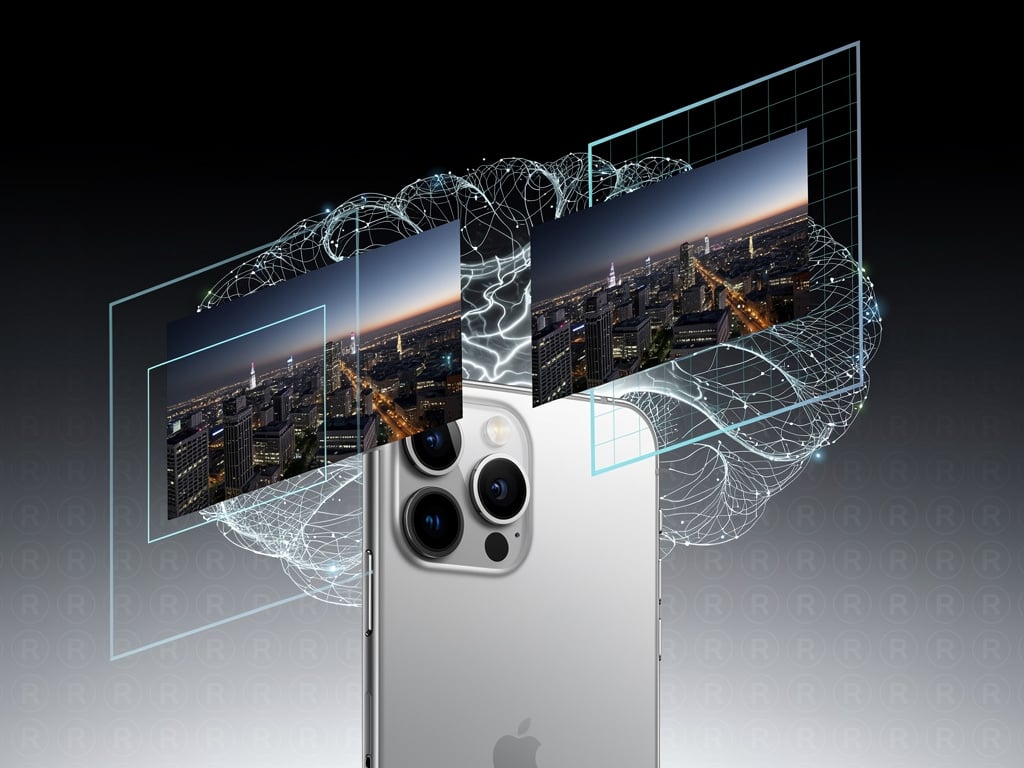
Jon McCormack has spent years perfecting the iPhone’s image pipeline. Now the company’s vice president of camera and photos software engineering sees artificial intelligence delivering something more personal. He calls it superpowers.
McCormack shared his thinking with WIRED just as Apple rolled out details on iOS 27. The new Photos app includes generative tools that add pixels never captured by the sensor. Extend stretches a frame beyond its original borders. Spatial Reframing shifts perspective after the shutter clicks. An upgraded Clean Up tool erases distractions and fills the gap with convincing detail. Yet McCormack insists Apple refuses to chase AI simply because competitors do.
“You don’t have to know all the details of how to do something in Photoshop or something else — it gives normal people these absolute superpowers,” McCormack told the publication. The remark lands with weight. For decades professional software demanded expertise. Now the same adjustments sit inside a phone most people already carry.
But not every image should change. McCormack draws a firm line around memories. He wants users to trust that a photo of a child’s birthday or a wedding moment reflects what actually happened. Generative edits carry a hidden SynthID watermark, according to Apple’s official announcement. The company says this mark helps identify AI-adjusted images without spoiling the viewing experience.
And Apple’s approach stands apart. While some rivals flood their apps with flashy generation options, McCormack describes a backlog of long-standing photographic problems that AI now solves with precision. The features feel deliberate. They build on years of computational photography work already running on the iPhone’s Neural Engine. Deep Fusion, Smart HDR, Night Mode — each relied on machine learning to overcome tiny sensors and limited optics. The new tools simply push further.
Recent demonstrations at WWDC showed Spatial Reframing in action. A user could reframe a portrait to move the subject off-center or reveal more context that the original composition hid. The system draws on spatial data captured at the moment of exposure. It doesn’t invent from nothing. It reasons about geometry and lighting already present. TechCrunch noted how the feature lets users adjust perspective as if they had repositioned the camera in the original scene.
Extend works differently. It analyzes the edges of an image and generates plausible continuation. A beach photo might gain extra sand and waves. A city street could stretch to include more buildings. The results look natural enough that casual viewers might never notice. Yet the pixels are synthetic. This reality forces a broader conversation about photographic truth.
Apple’s newsroom post on the next generation of Apple Intelligence highlights the tension. “The Photos app taps into more powerful image models so users can make incredible edits, while respecting the original moment as it was captured,” the company stated. The phrasing reveals careful positioning. Enhancement yes. Fabrication only where it serves composition or cleanup.
Industry watchers have followed this evolution closely. Computational photography first arrived as a way to beat physics. Multiple frames merged into one superior image. Noise reduced. Dynamic range expanded. Now generative models take the next step. They fill gaps that no burst of frames could ever cover. The question becomes where to stop.
McCormack’s background informs his caution. A Queensland farm boy turned Silicon Valley engineering leader, he shaped the iPhone’s camera reputation over more than a decade. His comments to WIRED reflect both excitement and restraint. Superpowers for the average person. But only when they amplify creativity rather than distort reality.
Users already produce hundreds of billions of iPhone photos and selfies each year. Many never touch editing software. The new tools lower the barrier dramatically. A parent can remove a photobomber from the family vacation shot. A designer can test different crop ratios without reshooting. These changes matter in daily life.
Still, authenticity matters. News organizations, courts, and historians rely on unaltered images. Apple’s watermarking strategy attempts to thread the needle. The mark stays invisible in normal use but detectable by software. It echoes efforts by Google and others to label synthetic content.
Integration with the broader Apple Intelligence system adds context. Visual Intelligence, now more prominent in the Camera app, lets users point their phone at objects and receive instant information. Combine that with smarter photo editing and the device moves closer to an always-available creative assistant. Apple’s own announcement ties these capabilities together under a privacy-focused architecture that runs many tasks on-device.
Critics wonder whether the measured approach will satisfy users accustomed to more aggressive AI features elsewhere. Early reactions on social platforms range from delight at the Spatial Reframing demos to skepticism about any generated pixels entering personal photo libraries. The debate will only intensify as iOS 27 reaches consumers later this year.
McCormack seems prepared for the discussion. His team spent considerable time deciding which problems deserved generative solutions. The backlog he mentioned includes issues photographers have complained about for years — imperfect composition, unwanted elements, restrictive aspect ratios. AI now offers practical answers without requiring users to master complex software.
Photography itself keeps changing. Once defined by chemistry and optics, it now incorporates software at every stage. The iPhone helped drive that transition. Apple’s latest moves suggest the company believes the future lies in accessible, responsible tools rather than unchecked generation. McCormack’s vision places the power — and the responsibility — in the hands of the person holding the phone.
That balance may prove decisive. As competitors race to add ever more dramatic AI tricks, Apple bets that thoughtful enhancement will win lasting trust. The superpowers come with guardrails. For an audience of photographers, engineers, and everyday users, the real test arrives when they first open the updated Photos app and decide how far to push those new abilities.


 WebProNews is an iEntry Publication