
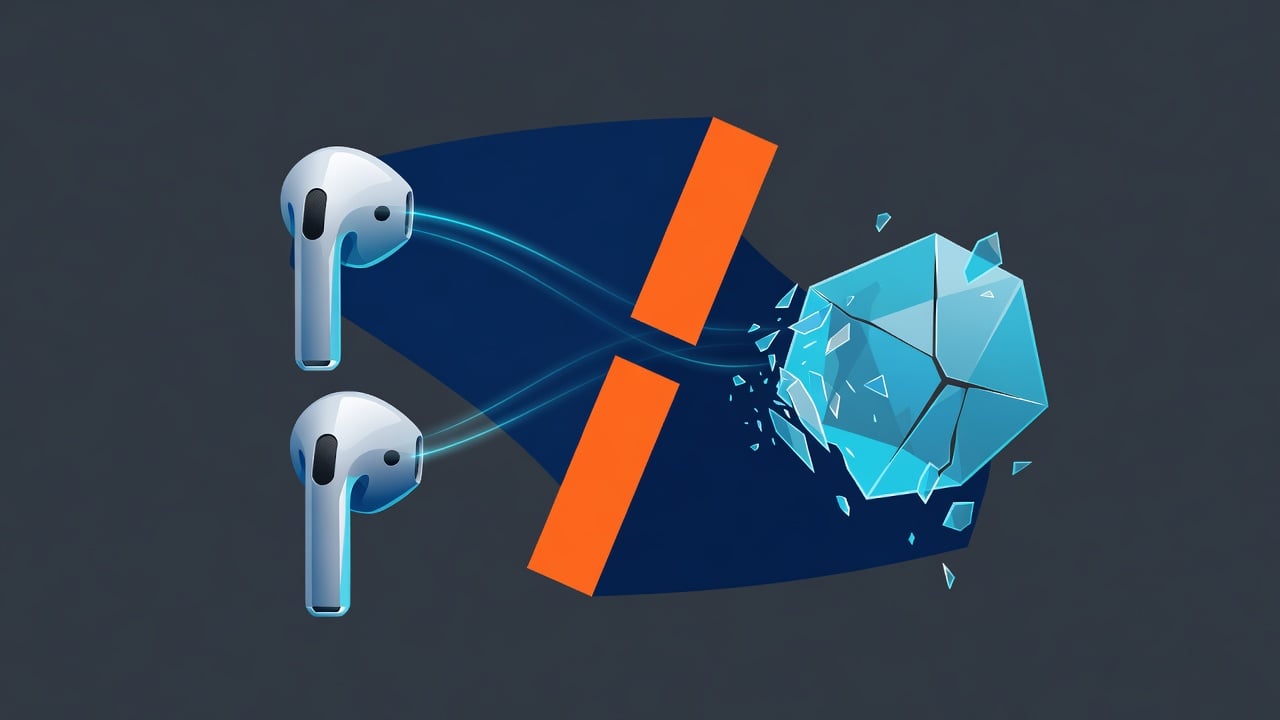
Code buried in the second developer beta of iOS 27 points to a product called B790. The description is brief yet telling. It speaks of handling “two images from cameras on either side of user’s head.”
That single line has set off fresh speculation. For years, whispers have circulated about AirPods gaining vision capabilities. Not for snapping selfies or recording video. The goal centers on feeding visual data to Siri and Apple Intelligence. Now those plans appear stalled. A prominent leaker claims development sits in suspension. The contradiction creates a puzzle Apple has yet to address.
Code that surfaces and rumors that recede
The 9to5Mac report from July 4 laid out the beta findings in clear terms. Developer Sam Henri Gold spotted the reference. He first wondered if it pointed toward smart glasses. Context quickly favored AirPods. The codename B790 sits near previous AirPods identifiers. Bloomberg had earlier used B798 for the same effort. Minor differences often reflect separate testing phases. They rarely signal separate devices.
But the story shifted days earlier. On July 3, MacRumors detailed a post from leaker Kosutami. The prototype collector first signaled the project neared completion. Then came a blunt follow-up. “Suspended.” No explanation followed. The four-year effort, once advanced into design validation testing, now carries uncertainty. Prototypes had reached a near-final form. Testing looked promising. Something changed.
Forbes examined the same iOS 27 code on July 4. Writer David Phelan noted the cameras exist strictly for computer vision. Users might say “what am I looking at” and receive an answer. The hardware would sit inside stems or earbuds themselves. Size constraints remain tight. Infrared sensors appear the most likely choice. They operate in low light. They avoid the privacy headaches of visible-light photography.
AppleInsider covered the beta leak on July 3. The outlet stressed that earlier rumors of a 2026 launch have given way to 2027. The delay aligns with Kosutami’s suspension claim. It also matches reports that Apple Intelligence features tied to the cameras need more time. Siri still struggles with complex context. Visual data adds another layer of difficulty. Training models on real-world head-mounted views demands vast datasets. Privacy rules tighten further when audio and vision combine.
Yet the idea refuses to die. Ming-Chi Kuo first flagged the infrared camera addition back in 2024. Supply chain sources echoed the prediction through 2025 and into this year. Some analysts floated an “AirPods Ultra” name to mark the upgrade. The branding would separate it from standard Pro models. It would justify a higher price. Current AirPods Pro already carry heart-rate sensors and advanced audio. Cameras would push the product deeper into health, productivity and AI.
Privacy questions hover over every discussion. Earbuds sit closer to the face than any phone. They follow gaze direction more naturally. Users might accept occasional prompts. Constant environmental scanning raises different concerns. Apple has built its brand on data control. The company would need ironclad on-device processing. Cloud transmission of imagery would invite immediate backlash.
Recent conversations on X reflect the split reactions. Some users call the feature inevitable. Others label it creepy. One post noted the suspension might stem from hardware challenges rather than software. Battery life already limits AirPods features. Adding even small image sensors increases power draw. Heat management inside tiny casings grows complicated. And then there is the matter of regulatory approval in regions sensitive to always-on cameras.
The suspension news broke at an awkward moment. Apple prepares iOS 27 for wider release later this year. The beta already includes new AirPods settings, improved EQ and heart-rate integration for existing models. Those incremental gains feel safe. The camera project does not. It represents a bigger bet on wearable AI. Success could position AirPods as the primary interface for on-the-go intelligence. Failure, or even prolonged delay, hands momentum to rivals.
Google has experimented with similar concepts in its glasses lineup. Meta pushes cameras on Ray-Ban smart glasses. Those products capture photos and video openly. Apple’s approach hides the capability. The cameras would serve intelligence first. Photography stays secondary or absent. That distinction matters. It reduces some risks. It also limits obvious use cases that might drive consumer interest.
Bloomberg’s Mark Gurman reported in May that prototypes had reached advanced testing. The product felt close. Then Kosutami’s correction arrived in early July. Timing suggests internal reevaluation. Perhaps thermal issues emerged in larger-scale tests. Perhaps the AI models underperformed. Or perhaps Apple simply chose to align the launch with its 20th-anniversary iPhone in 2027. Bundling major wearable and handset updates creates marketing synergy.
Whatever the reason, the code remains. iOS 27 beta 2 still contains those references. Apple rarely leaves such strings by accident this late in development. They often indicate parallel work. One team may have paused hardware while another refines software hooks. The B790 identifier could surface again in future betas with expanded functionality. Or it could vanish quietly. Apple has killed projects before without public statement.
Industry watchers now split into two camps. Optimists point to the code as proof of continued investment. Skeptics highlight the leaker’s track record on prototypes. Kosutami has correctly identified canceled projects in the past. His correction carries weight. Yet even a suspension need not mean cancellation. Many Apple products endure multiple pauses before launch. The original AirPods faced internal doubt. So did the Vision Pro.
From a business view, the stakes sit high. AirPods generate tens of billions in annual revenue. They anchor the wearable category. A successful camera model could expand that further. It might pull users toward higher-priced tiers. It could deepen lock-in through unique AI experiences. Delays, however, open windows for competitors. Samsung and others push their own earbuds with health sensors and AI. None match Apple’s integration yet. That advantage shrinks if innovation slows.
So the beta leak offers both confirmation and complication. The cameras appear real. Their purpose looks clear. Their arrival date has grown fuzzy. Apple will likely stay silent. The company lets products speak when ready. In the meantime, developers and analysts will keep mining future betas. One new string could restart the entire conversation. Another could bury it for months.
Users face their own choice. Some crave the contextual Siri that cameras could enable. Others prefer the simple audio device they already own. The market will decide once Apple finally ships. Until then, the B790 reference stands as a reminder. Even the most secretive company leaves traces. And even the most ambitious project can hit pause.


 WebProNews is an iEntry Publication