
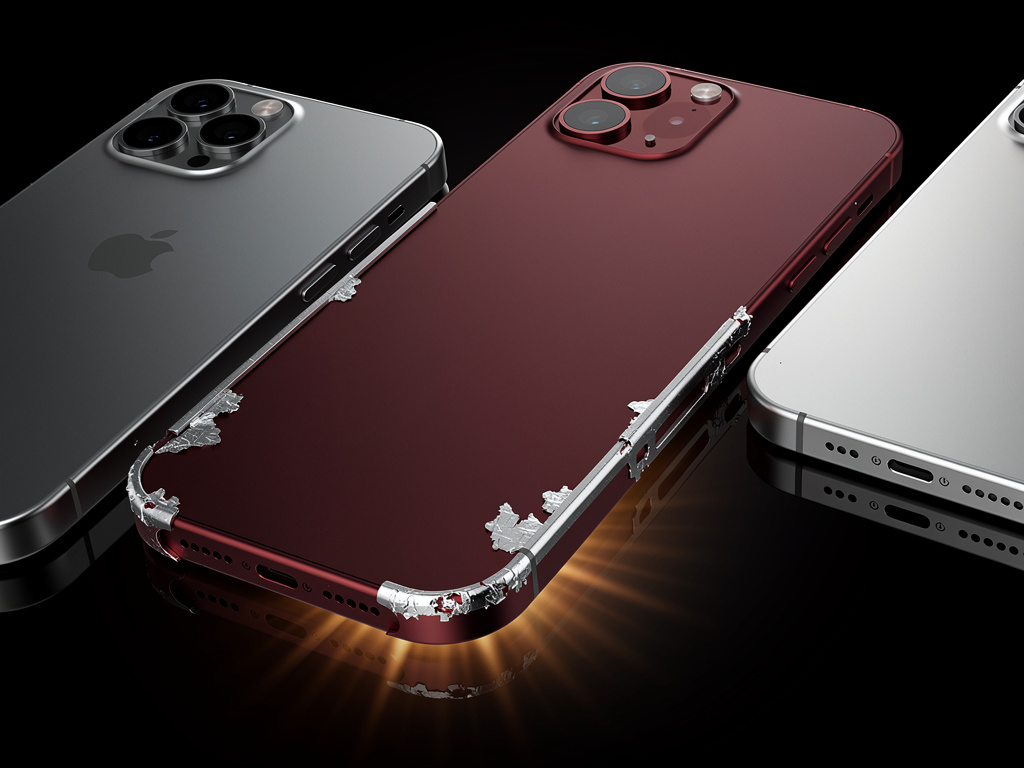
Apple has doubled down on an aluminum alloy frame for its next flagship phones. The choice brings clear thermal gains for demanding AI tasks. Yet it carries forward documented weaknesses in surface finish that frustrated owners of the current generation.
A prominent supply-chain leaker warned Monday that the iPhone 18 Pro will stick with the same material used in the iPhone 17 Pro. Heat dissipation remains excellent. New color options, however, risk the same paint-peeling troubles.
“Will still feature an aluminum alloy build” and heat dissipation is “indeed excellent,” wrote Fixed Focus Digital on Weibo, according to MacRumors. Then came the caveat: anyone unfamiliar with the durability problems on the predecessor should “be careful about potential paint-peeling issues with the new color options.”
The warning lands three months before expected launch. It echoes an earlier post from the same leaker in May. That report detailed how surface chipping on the iPhone 17 Pro had become common. Customers seeking repairs heard the same reply from Apple. The company labeled the wear an inherent trait of the aluminum alloy and normal use. No warranty coverage applied.
Short. Simple. Costly for premium buyers.
The switch from titanium began with the iPhone 17 Pro line. Previous Pro models used the stronger metal. It resisted dents better in some tests. But it trapped heat. Performance throttled under sustained loads. Local AI features only intensified the problem. Aluminum conducts heat away more efficiently. Engineers gained breathing room for faster chips and vapor-chamber cooling. The trade-off showed up on day one for many users.
Dark Blue and Cosmic Orange finishes scratched more readily than others. Display units at stores picked up visible marks within days. Forum threads filled with photos. A well-known durability tester offered some balance. JerryRigEverything found the main anodized surfaces held up against keys and coins. The camera plateau told a different story. Its raised, unchamfered edges chipped easily. That area became the consistent weak point.
Cosmic Orange owners faced another headache weeks later. The frame and camera housing shifted hue. Rose-gold or pink tones appeared. Some devices received replacements through support. Others heard the same material explanation.
Apple has not commented publicly on these reports. The company rarely does on pre-launch rumors. Its silence leaves the leaker’s account as the clearest signal of current thinking inside the supply chain.
Thermal demands now dictate material choices more than ever.
Fixed Focus Digital has repeatedly tied the aluminum decision to on-device AI. The same leaker pushed back in late May against speculation of a quick titanium return. Heat management requirements make aluminum the practical option for now. Android flagships and Huawei devices follow similar logic. The pattern suggests this is not an Apple-only compromise but an industry response to rising power density.
Recent coverage reinforces the point. A report published hours after the latest MacRumors story noted the iPhone 18 Pro casing will carry the same advantages and disadvantages. Strong heat dissipation pairs with greater susceptibility to scuffs than titanium predecessors. The leaker’s quote in that piece is direct: “Apple’s next generation iPhone 18 Pro series is still aluminum alloy, with really good heat dissipation. But scratches to the colour will be experienced just as with the iPhone 17 Pro.” (9to5Mac)
So the cycle continues. Four colors are expected. Dark Cherry leads as the bold new shade. A deep wine red. More muted than last year’s Cosmic Orange. Light Blue, Dark Gray and Silver round out the lineup. No true black again. The gray may come close enough for some.
But. Will the new colors fare better?
One supply-chain note from last week offers a sliver of optimism. A refined aluminum process could reach the iPhone 18 Pro. It promises higher alloy strength, better corrosion resistance and a cleaner finish. Production uses less energy. The method allows pauses without waste. These details surfaced in a report citing a Chinese blog. The improvements target exactly the oxidation and chipping seen before. Whether the changes fully eliminate the issues or merely reduce them stays unknown. (Wccftech, June 12, 2026)
Buyers face a familiar calculation. Pay top dollar for a device that runs cooler under AI load. Accept that the frame may show marks faster than earlier titanium models. Cases will hide most problems. Many owners already reach for them. Yet the expectation for a $1,000-plus phone runs higher.
And the bigger picture sharpens. Apple launches the first foldable iPhone in the same September event. That device reportedly mixes titanium and aluminum in its frame. Different needs. Different priorities. The foldable demands stiffness to resist bending. The slab Pro models chase thermal performance above all.
Fixed Focus Digital has proven reliable on these manufacturing details. His posts track closely with later confirmations. Still, Apple controls final decisions. Supply contracts can shift. Testing data can prompt last-minute tweaks.
Until then the message is clear. The iPhone 18 Pro will feel the same in the hand as its predecessor. Lighter than titanium versions in some respects. Cooler under pressure. More vulnerable along edges and color layers. Early buyers of the new colors will test the theory within weeks of release.
Industry watchers already debate the long game. Stainless steel could return in future generations if heat solutions improve. Liquid metal alloys sit in research pipelines. For 2026 the verdict is in. Aluminum stays. The durability complaints travel with it.
Owners who hated the chipping on their iPhone 17 Pro now have fair warning. Those unbothered by minor surface wear gain continued thermal benefits. The decision, like the material itself, carries both heat and friction.


 WebProNews is an iEntry Publication