
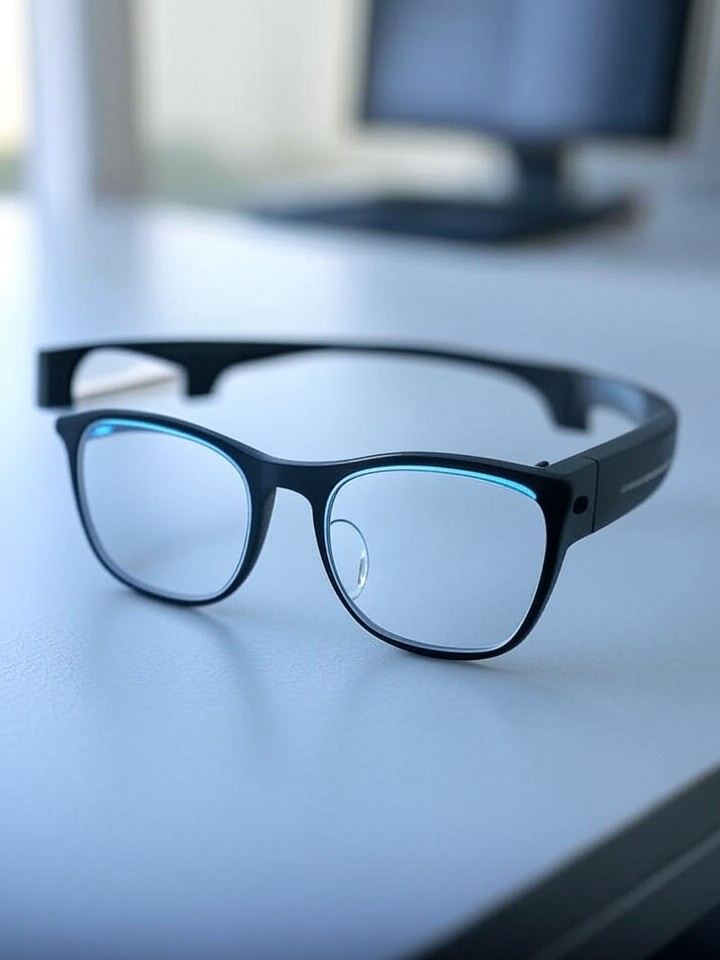
As Apple Inc. prepares to venture deeper into the realm of augmented reality and wearable technology, industry analysts are buzzing about the potential impact of its long-rumored smart glasses. Recent forecasts suggest that these devices, often dubbed Apple Glasses, could ignite a significant surge in the company’s product ecosystem by 2026. Drawing from a fresh report by Smart Analytics Global, the market for AI-powered smart glasses is poised for explosive expansion, with Apple’s entry expected to be a primary catalyst. This development comes at a time when consumer demand for seamless, integrated tech experiences is reaching new heights, potentially reshaping how users interact with digital information in everyday life.
The report, highlighted in coverage by 9to5Mac, projects that global revenues for AI smart glasses could quadruple in 2026, driven largely by the commercial triumphs of existing products like Ray-Ban Meta and the impending launches from tech giants including Apple and Samsung. Analysts point to Apple’s meticulous approach to product development, which has historically allowed it to refine innovations before market entry. Unlike early movers in the space that faced adoption hurdles due to bulky designs or limited functionality, Apple’s strategy appears focused on leveraging its existing strengths in hardware integration and user privacy to capture a substantial market share.
Beyond mere revenue projections, the enthusiasm stems from Apple’s track record of transforming nascent categories into mainstream necessities. Think of the iPhone’s debut or the AirPods’ dominance in wireless audio—these precedents suggest Apple Glasses could follow a similar trajectory. Industry insiders speculate that the glasses will not only enhance personal productivity but also integrate deeply with Apple’s ecosystem, offering features like real-time AI assistance, navigation overlays, and health monitoring. This integration could create a flywheel effect, boosting sales across iPhones, Watches, and other devices as users seek a more cohesive experience.
Unpacking Apple’s Trio of Competitive Edges
Delving into the specifics, the Smart Analytics Global analysis identifies three core strengths that position Apple Glasses for outsized success. First, Apple’s unparalleled ecosystem synergy allows the glasses to seamlessly connect with iOS devices, providing a unified platform that competitors struggle to match. This isn’t just about compatibility; it’s about creating an environment where data flows effortlessly, enabling features like instant photo sharing or AI-driven contextual reminders without the friction seen in rival products.
Second, the company’s emphasis on privacy and security is expected to resonate strongly in an era of increasing data concerns. While other smart glasses have faced scrutiny over recording capabilities and data handling, Apple’s approach—rooted in on-device processing and stringent user controls—could build trust and accelerate adoption. Reports from sources like Gadget Hacks underscore how this focus aligns with CEO Tim Cook’s vision of augmented reality as a “top priority,” potentially culminating in a product that feels like a natural extension of the user’s digital life rather than an intrusive gadget.
The third strength lies in Apple’s design prowess, which prioritizes aesthetics and comfort. Early prototypes, as hinted in posts across X (formerly Twitter), suggest lightweight frames with advanced optics that avoid the clunky feel of predecessors. This could appeal to fashion-conscious consumers, expanding the market beyond tech enthusiasts. Combined, these elements are forecasted to drive not just initial sales but sustained growth, with estimates indicating Apple could capture a dominant portion of the market by 2027.
Market Dynamics and Rival Pressures
Shifting focus to the broader competitive arena, Apple’s entry coincides with intensifying rivalry from players like Meta and Samsung. The success of Ray-Ban Meta glasses has already validated the category, generating buzz for their social media integrations and hands-free capabilities. However, Apple’s anticipated launch could disrupt this momentum, especially if it incorporates superior AI features powered by advancements in Apple Intelligence. Recent news from MacTech notes that the market’s breakout phase in 2026 will likely stem from these ecosystem heavyweights, pushing smaller innovators to adapt or risk obsolescence.
Analysts also highlight economic factors influencing this growth. With global consumer spending on wearables rebounding post-pandemic, the timing seems opportune. Posts on X from tech influencers and analysts, such as those referencing Ming-Chi Kuo’s roadmaps, indicate optimism about Apple’s timeline, with prototypes reportedly ramping up production. This chatter reflects a sentiment that Apple isn’t rushing but rather perfecting a product that could redefine daily computing, much like the smartphone did two decades ago.
Yet, challenges remain. Regulatory scrutiny over privacy in AR devices could pose hurdles, particularly in regions with strict data laws. Additionally, supply chain dependencies for advanced components like micro-displays and AI chips might delay widespread availability. Despite these, Apple’s history of navigating such obstacles—evident in the Vision Pro’s development—suggests it will emerge stronger, potentially setting new standards for the industry.
Strategic Implications for Apple’s Future Portfolio
Looking ahead, the integration of Apple Glasses into the company’s broader lineup could accelerate innovation across categories. For instance, pairing the glasses with the Apple Watch for enhanced health tracking or with HomeKit for smart home controls might create new revenue streams. A piece from 9to5Mac (in a separate report) outlines Apple’s ambitious 2026 slate, including over 20 new products, positioning the glasses as a cornerstone of this expansion.
Industry experts argue this move aligns with Tim Cook’s long-term vision, as detailed in analyses from 9to5Mac. By prioritizing AR, Apple aims to future-proof its business against slowing iPhone growth, tapping into emerging trends like spatial computing. Financial projections, such as those in Seeking Alpha, reinforce this, rating Apple stock as a strong buy due to catalysts like custom silicon and new wearables.
Moreover, the glasses could catalyze partnerships, perhaps with luxury brands for stylized frames or software developers for app ecosystems. This collaborative approach, echoed in X discussions about Apple’s prototype production, might broaden appeal, drawing in demographics beyond early adopters and fostering a vibrant third-party ecosystem.
Technological Underpinnings and Innovation Horizons
At the heart of Apple Glasses’ promise are cutting-edge technologies that blend hardware and software seamlessly. Rumors suggest incorporation of advanced sensors for gesture recognition and environmental mapping, enabling immersive experiences without the need for bulky headsets. Insights from Gadget Hacks describe how this could transform the AI market by 2027, with Apple’s entry accelerating adoption of voice-activated AI assistants in everyday scenarios.
Battery life and processing power remain critical, with Apple’s custom chips likely playing a pivotal role. Drawing parallels to the M-series processors in Macs, these glasses might handle complex tasks on-device, minimizing latency and enhancing user satisfaction. Recent web searches reveal growing investor confidence, as seen in The Motley Fool‘s forecasts for Apple stock through 2030, which factor in such innovations as key growth drivers.
Social media sentiment on X further amplifies this excitement, with users speculating on features like real-time translation and navigation. While not all posts are verified, they collectively paint a picture of high anticipation, suggesting Apple could leverage viral marketing to boost launch buzz.
Global Reach and Economic Ripple Effects
Expanding globally, Apple Glasses are expected to penetrate diverse markets, from North America to Asia-Pacific, where demand for tech wearables is surging. The SAG report, as covered in Filmogaz, emphasizes how Apple’s three strengths—ecosystem, privacy, and design—will propel this international growth, potentially quadrupling industry revenues.
Economically, this could stimulate job creation in manufacturing and software development, while challenging suppliers to innovate. For Apple, it represents a hedge against market saturation in smartphones, diversifying revenue as services and wearables gain prominence.
In the eyes of insiders, this isn’t just another product launch; it’s a pivotal step toward a post-iPhone era, where augmented reality becomes ubiquitous. As 2026 approaches, all signs point to Apple Glasses not only driving product growth but redefining the boundaries of personal technology.


 WebProNews is an iEntry Publication