
The Thin Edge of Disruption: iPhone Air’s Stealth Assault on Google’s Smartphone Supremacy
In the fiercely contested arena of mobile technology, Apple’s latest innovation, the iPhone Air, has emerged as a subtle yet formidable challenger to Google’s Android ecosystem. Launched in late 2025, this ultra-slim device prioritizes elegant design over a barrage of features, targeting premium users who value aesthetics and seamless integration. While initial sales have been mixed, with reports of production cuts, the iPhone Air’s impact extends far beyond shipment numbers, posing a strategic dilemma for Google and its hardware partners. Industry analysts suggest that Apple’s focus on refinement could erode Android’s market share in high-end segments, where design often trumps raw specifications.
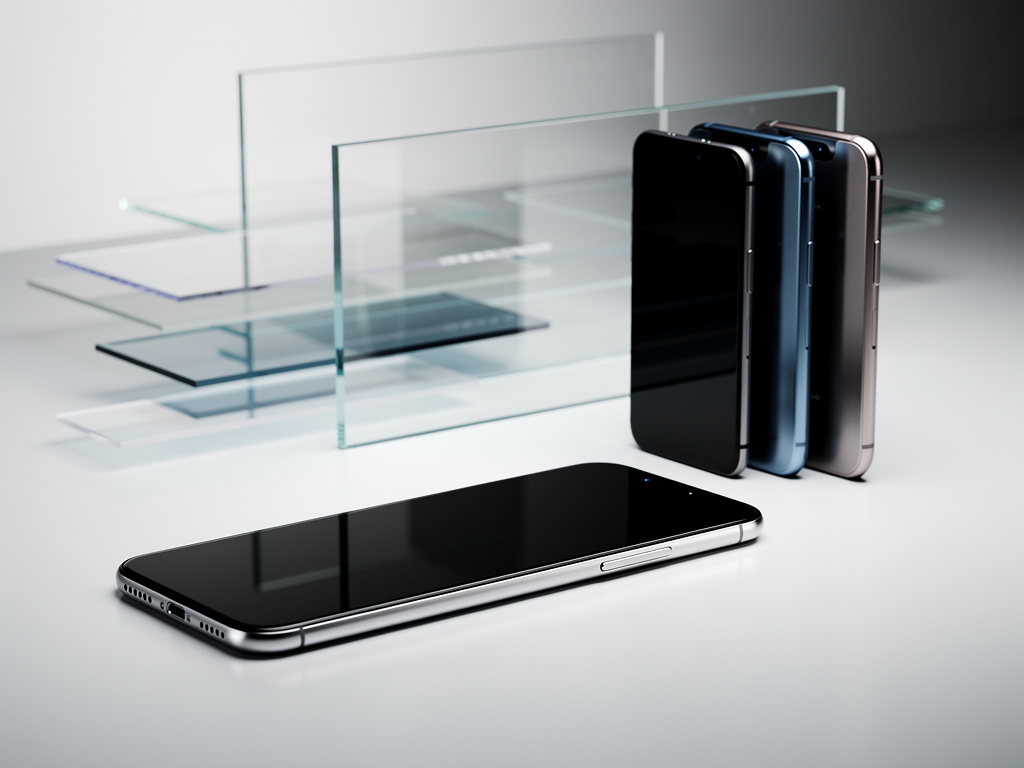
The iPhone Air’s appeal lies in its minimalist ethos, measuring just 5mm thick and boasting a lightweight frame that rivals foldable phones without the crease or complexity. This design philosophy echoes Apple’s historical strengths, emphasizing user experience through hardware-software harmony. According to data from Backlinko, there are over 1 billion active iPhones globally, underscoring Apple’s entrenched position. Yet, the Air model introduces a fresh dynamic, appealing to consumers fatigued by the feature overload common in Android flagships from Samsung and others.
Google, which powers Android on a multitude of devices, faces intensified pressure as Apple’s slim offering highlights perceived shortcomings in Android’s fragmented ecosystem. Recent market data from IDC shows Samsung leading with 19.7% market share in Q2 2025, followed by Apple at 15.7%. However, the iPhone Air’s entry could shift these figures, particularly in premium tiers where Apple’s brand loyalty remains robust.
Design as the New Battlefield
The iPhone Air’s slim profile isn’t just a gimmick; it’s a calculated move to redefine portability in smartphones. By shedding bulk without sacrificing performance, Apple challenges Android manufacturers to match this elegance. Publications like WebProNews note that despite production adjustments due to softer demand, the device forces competitors to innovate sleeker alternatives. This push for thinner designs could strain Android’s supply chains, which often prioritize cost-effective modularity over unified aesthetics.
Moreover, the iPhone Air integrates advanced features like a 120Hz ProMotion display and enhanced cameras, but its true strength is in ecosystem cohesion. Users benefit from seamless connectivity with other Apple products, a factor that Android struggles to replicate across diverse brands. Insights from Neontri reveal Android’s user base grew 136% faster in certain demographics, yet iPhone retains higher loyalty rates, with many users citing design and integration as key reasons.
Google’s response has been to bolster its Pixel lineup, emphasizing AI-driven features to differentiate from Apple’s hardware focus. However, posts on X from industry observers highlight growing concerns: one influential analyst noted that the iPhone Air’s demand shortfall still signals a win for Apple in niche markets, potentially outselling previous non-Pro models. This sentiment underscores how even a “flop” by sales metrics can disrupt competitors’ strategies.
Market Share Shifts and Competitive Pressures
Global smartphone shipments grew modestly by 0.2% in Q1 2025, per Canalys, amid regional declines. Apple’s iPhone 17 series, including the Air, is projected to help the company surpass Samsung in annual shipments for the first time in 14 years, as reported by CNBC. This milestone reflects Apple’s resilience, even as the Air model faces production cuts of up to 80% by early 2026, according to supply chain expert Ming-Chi Kuo.
For Google, the challenge is multifaceted. Android dominates in emerging markets with affordable options, but in premium segments, Apple’s design edge could siphon users. A report from Netguru outlines key differences: iPhone users tend to spend more on apps and exhibit higher engagement, bolstering Apple’s revenue streams. The iPhone Air amplifies this by attracting fashion-conscious consumers, a demographic where Android has historically lagged.
Industry insiders point to Google’s Tensor chips and Pixel devices as countermeasures, yet the iPhone Air’s subtlety lies in its non-confrontational innovation. As one X post from a tech commentator observed, Google’s in-house ecosystem is strengthening, but it must contend with Apple’s airtight integration. This competition drives broader innovation, benefiting consumers with sleeker, more capable devices across the board.
Ecosystem Wars and User Loyalty Dynamics
Apple’s closed ecosystem, where hardware and software are meticulously aligned, gives the iPhone Air an implicit advantage over Android’s open but fragmented approach. Features like AirDrop and iMessage create stickiness that Google has tried to counter with alternatives, yet interoperability remains a pain point. Recent developments, such as workarounds for cross-platform messaging, show progress, but Apple’s design prowess in the Air model reinforces user retention.
Market trends indicate that while Android holds a larger overall share—around 70% globally per Vertu—iPhone dominates in revenue generation. The Air’s launch coincides with rising RAM prices, which could hamper Android manufacturers more than Apple, as forecasted by AppleInsider. This economic factor might force Google partners to cut corners, potentially diminishing their appeal against Apple’s premium positioning.
Sentiment on X reveals mixed reactions: some users hail the iPhone Air as a game-changer for its thinness and performance, while others criticize its battery life trade-offs. Nonetheless, these discussions highlight how the device is reshaping perceptions, compelling Google to accelerate its hardware-software synergy in upcoming Pixel iterations.
Innovation Ripples and Future Trajectories
The iPhone Air’s influence extends to forcing Android OEMs like Samsung to explore ultra-thin designs, potentially leading to a wave of slim flagships in 2026. This shift could homogenize the market, as noted in a 2025 report card from Android Central, where innovation clashed with stagnation. Apple’s ability to weather demand fluctuations, even reducing production from 21 million to 20 million units, demonstrates strategic agility.
Google’s challenge is to unify Android’s diverse offerings without alienating partners. The company’s push into AI, with features like real-time language translation, aims to counter Apple’s design focus. However, as Android Police subtly points out, the iPhone Air’s elegance exposes Android’s occasional bloat, prompting a reevaluation of what premium means in smartphones.
Broader industry implications include potential supply chain realignments, with component makers adapting to demands for thinner profiles. Quora discussions, such as those on Quora, attribute iPhone’s dominance to superior performance, a narrative the Air reinforces despite its sales hurdles.
Strategic Responses and Long-Term Implications
In response, Google is likely to double down on its Pixel series, integrating more cohesive features to mimic Apple’s ecosystem. Recent X posts from leakers suggest Apple views the Air as successful enough for a successor, indicating sustained pressure on competitors. This ongoing rivalry fosters rapid advancements, from better displays to enhanced privacy tools.
For industry players, the iPhone Air serves as a litmus test for design-driven innovation. While Android’s flexibility appeals to budget-conscious users, Apple’s premium strategy captures higher margins. Statistics from VenueLabs show iPhone users’ higher spending trends, a boon amplified by the Air’s allure.
Ultimately, the iPhone Air’s subtle disruption underscores a pivotal moment: as smartphones mature, competition hinges on refinement rather than revolution. Google must navigate this by enhancing Android’s core strengths while addressing design gaps, ensuring its ecosystem remains vibrant amid Apple’s slim shadow.
Evolving Rivalries in Premium Segments
Delving deeper, the iPhone Air’s camera system, with 48MP sensors and advanced fusion technology, sets a benchmark that Android flagships are scrambling to meet. This hardware edge, combined with iOS’s optimization, results in superior battery efficiency despite the slim form factor—a pain point for thicker Android devices.
Market analysts predict that by 2026, Apple’s shipments could stabilize, buoyed by the Air’s niche success. In contrast, Android’s growth in emerging regions might offset losses in developed markets, but the premium battle remains fierce. X conversations among tech enthusiasts reveal optimism for Google’s countermeasures, like improved AirDrop equivalents.
The device’s impact also ripples into app development, where iOS’s uniformity encourages more polished experiences compared to Android’s variability. This developer preference further entrenches Apple’s position, challenging Google to incentivize high-quality Android apps.
Global Trends and Economic Factors
Economic headwinds, such as rising component costs, disproportionately affect Android’s diverse manufacturers. Apple’s vertical integration allows better cost control, positioning the iPhone Air as a resilient contender. Reports indicate that while global shipments stagnate, premium demand persists, favoring Apple’s strategy.
In the U.S., where iPhone holds stronger sway, the Air could accelerate Android’s erosion in key demographics. User behavior data highlights iPhone’s edge in security and updates, factors that the Air enhances through its latest chip architecture.
As the rivalry evolves, both camps drive mutual progress: Apple’s design pushes Android toward elegance, while Google’s openness inspires Apple’s incremental features. This dynamic ensures a vibrant market, with the iPhone Air as a catalyst for change.


 WebProNews is an iEntry Publication