
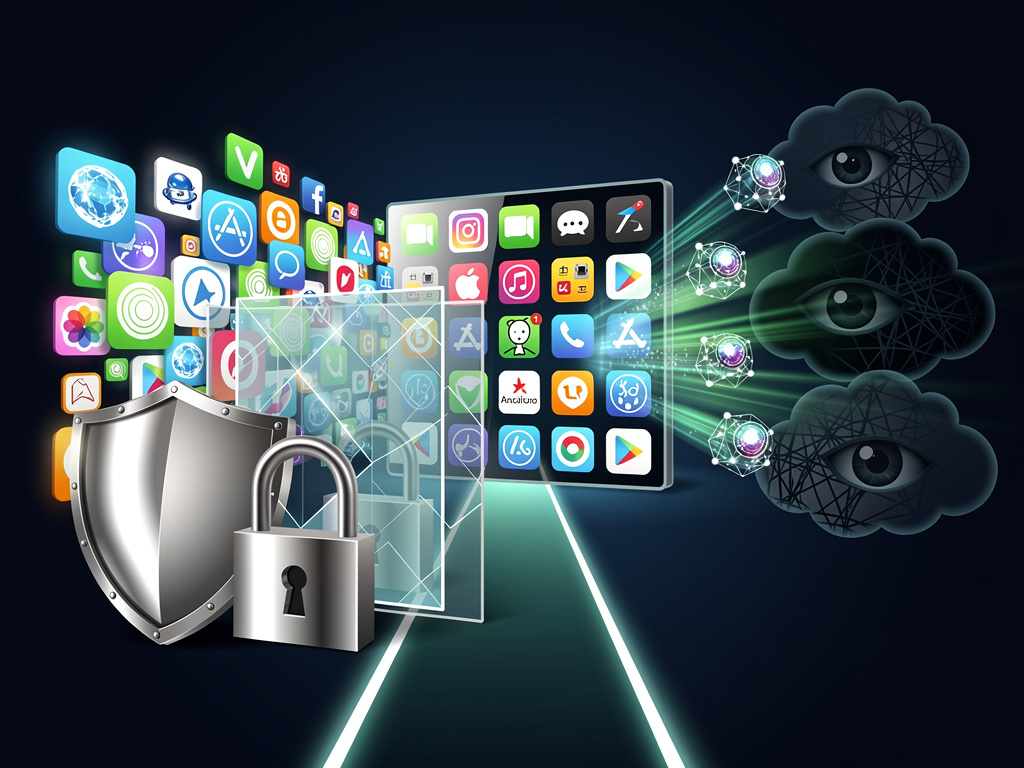
Apple finds itself at a familiar crossroads. The company built its reputation on tight control. Now that same approach collides with the rapid advance of artificial intelligence agents that act autonomously on behalf of users.
Internal discussions have begun at the iPhone maker over how to permit more sophisticated AI capabilities inside apps distributed through its store. The conversations center on agentic systems. These programs don’t simply answer questions. They plan, execute tasks across services, and make decisions with minimal oversight. But such freedom clashes with rules Apple has enforced for years.
The tech giant has long rejected apps that download or generate code after approval. Reviewers examine every submission to block malware, privacy violations, and unexpected behavior. AI agents threaten to upend that model. An agent granted permission to book travel might later reroute flights based on new data or integrate with third-party calendars in unforeseen ways. The potential for surprise creates headaches for a company that promises predictability.
Despite those concerns, Apple sees opportunity. Rival chatbots from OpenAI and others already sit in the store and generate significant revenue. MacDailyNews reported in March that Apple could collect more than $1 billion in 2026 from fees on competing AI applications. The figure highlights a quiet success. While critics hammer the company for lagging in its own generative tools, it profits from the very rivals racing ahead.
Yet the next wave brings fresh complications. Recent months produced an explosion of new app submissions. Data compiled by Sensor Tower showed an 84 percent jump globally in 2025, reaching nearly 600,000 new titles after years of decline. Much of that growth traces to AI coding assistants such as Claude and tools from OpenAI. These systems let novices build functional programs from simple descriptions. They also accelerate output from experienced developers.
“We’ve seen an explosive growth of new apps over the past year,” Abraham Yousef, senior insights analyst at Sensor Tower, told 9to5Mac. “It aligns with a broader release of agentic coding tools that remove prior difficulties of creating apps.”
The influx strains Apple’s review process even before agents arrive in force. The company turned to its own AI systems to help triage submissions. A spokesperson told the publication that reviewers still examine every app. Ninety percent receive approval or rejection within 48 hours. Average review time sits at 1.5 days. Over 200,000 submissions arrived each week across recent months. Apple insists delays have not grown.
But developers tell a different story. Elon Musk complained on X that iOS review times had become ridiculous. And Apple took direct action against certain AI coding platforms. It blocked updates for apps including Replit and another called Anything. The stated reason involved violations of guidelines that prohibit apps from changing their core function or running arbitrary code after review.
Those moves signal caution. They also reveal tension. On one side sits the desire to keep the App Store a trusted destination. On the other stands the risk of appearing closed to the technology reshaping software development. Reports suggest Apple now explores dedicated ways to integrate AI agents without shattering its existing framework.
One idea under consideration involves clearer boundaries. Agents might receive scoped permissions that limit actions to specific domains. A travel agent could handle bookings but require fresh user confirmation for changes. Or Apple could expand its on-device intelligence features to host lighter agent logic locally while routing complex tasks through approved cloud services. The company has emphasized privacy in its Apple Intelligence rollout. Local processing reduces data exposure. It also constrains capability compared with models running on massive server farms.
Analysts point out that timing matters. Apple’s measured pace drew criticism throughout 2024 and 2025. Siri lagged behind conversational leaders. Promised features slipped. Yet some observers now argue the conservative strategy could prove wise. AppleInsider covered a December report from The Information that speculated Apple’s lower spending on data centers and chips might look prescient if the AI investment bubble shows signs of strain. Market sentiment has cooled in spots. Questions linger over returns on the hundreds of billions poured into infrastructure by Microsoft, Google, Meta and Amazon.
Apple’s approach centers on hardware and services. It offers its own tools while allowing third-party options. The model worked for the App Store itself. Customers install both Apple apps and competitors. Revenue flows through commissions. AI differs because it sits closer to the operating system’s foundation. Integration choices carry heavier consequences for battery life, performance and user trust.
Privacy forms a core worry. Agents that act across apps and web services could expose more personal data than traditional programs. Without clear labeling when external models activate, users might not realize information leaves the device. Earlier reporting from TechRadar in March highlighted potential data privacy risks tied to rumored Siri extensions that could create what amounts to an AI subsection of the store.
Security presents another hurdle. The surge in AI-generated apps raises the chance of low-quality or malicious software slipping through. Digital Trends noted in April that rapid growth complicates efforts to separate reliable programs from spam or harmful code. Apple has blocked apps before for bait-and-switch tactics or hidden behavior. Agents amplify those risks because their actions unfold over time and adapt to context.
So the company proceeds with care. It rejected more than a million app submissions in past years for failing privacy or security standards. It prevented billions in fraudulent transactions. That track record underpins customer confidence. Loosening rules too quickly could erode it. But blocking innovation entirely hands ground to competitors building outside the walled garden.
Recent developments add pressure. OpenAI explores its own app distribution channels according to a January Wall Street Journal article. Sam Altman wants to challenge Apple’s dominance directly. Early efforts show the distance still to cover. Yet the ambition underscores the stakes.
Apple also faces regulatory scrutiny in multiple markets. Changes to sideloading rules in Europe and elsewhere opened new vectors for malware. The company responded with added protections, especially for younger users. Those experiences inform its hesitation around autonomous agents.
Developers watch closely. Many now rely on AI to speed creation. Xcode updates from Apple incorporated support for coding models aimed at professional users. The tools help. They don’t solve the distribution question. An app built with AI assistance still must pass human review. When that app contains an agent that evolves its behavior, the review becomes harder to conduct with confidence.
Insiders describe the current moment as exploratory. No final decisions have emerged. Teams examine technical architectures that might sandbox agents effectively. They test permission systems that expire or require renewal. They consider how on-device models can handle routine tasks while cloud backups provide power for edge cases. The goal remains consistency with Apple’s long-held principles.
Success could open fresh revenue streams. It might also quiet critics who claim the company surrendered the AI narrative. Failure to adapt, however, risks ceding mindshare to platforms that move faster and with fewer restrictions. The balance is delicate.
One thing appears certain. AI agents will not remain confined to chat windows. They are heading into productivity tools, creative apps, and everyday utilities. Apple must decide its posture. The internal talks suggest executives recognize the need to evolve the review process without abandoning the standards that differentiated the App Store for nearly two decades.
And the clock ticks. With new AI features slated for devices throughout 2026, the company positions hardware as the differentiator. On-device processing promises speed and privacy. Yet third-party agents could deliver experiences Apple cannot match alone. The question is whether the store can safely host them.
Recent X discussions reflect the divide. Some developers report mass rejections of AI-related apps with generic notices. Others build pre-submission audit tools to catch guideline violations early. The community senses both possibility and friction.
Apple’s history shows it often waits, observes, then integrates technology on its terms. The AI agent question tests that playbook. Get it right and the store retains its gatekeeper role in a new era. Miss the mark and users may look elsewhere for the intelligent assistants they increasingly expect.


 WebProNews is an iEntry Publication