
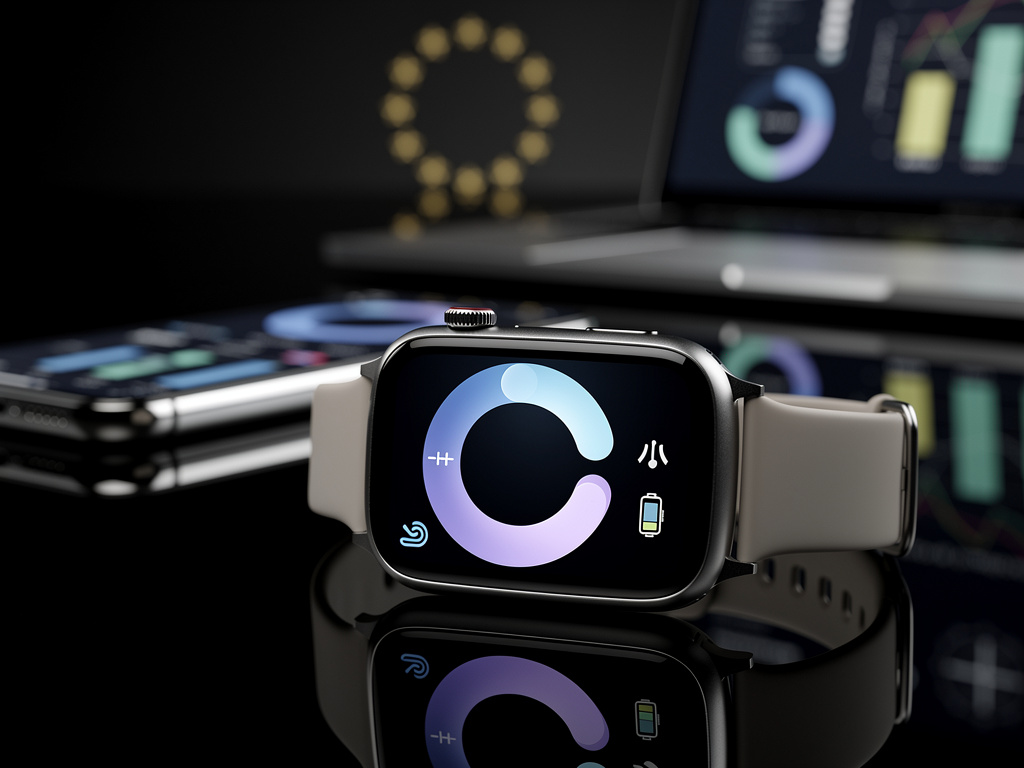
watchOS 26.2: Awakening Smarter Sleep Tracking and EU Connectivity Tweaks on Apple Watch
Apple’s latest software update for its wearable device, watchOS 26.2, introduces subtle yet significant enhancements that could reshape how users interact with their health data and device connectivity. Released just days ago, this iteration builds on the foundation laid by watchOS 26, focusing primarily on refining sleep analysis and adapting to regulatory demands in the European Union. For industry professionals tracking wearable tech advancements, these changes signal Apple’s ongoing commitment to precision in health metrics while navigating global compliance hurdles.
At the heart of the update is an overhaul of the Sleep Score feature, which debuted earlier this year with watchOS 26. Users have long appreciated the Apple Watch’s ability to monitor sleep patterns, but feedback highlighted inconsistencies between the device’s assessments and users’ subjective experiences. The new version addresses this by recalibrating the scoring system, making it more aligned with real-world sensations of restfulness.
According to details from AppleInsider, the update tightens the ranges for sleep quality classifications. Previously, scores might label a night as “Excellent” even if the user felt groggy, leading to a disconnect. Now, the system uses descriptors like “Very High” for top-tier sleep, aiming for greater accuracy and user trust in the data.
Delving Deeper into Sleep Score Refinements
This recalibration isn’t merely cosmetic; it stems from Apple’s analysis of user data and feedback loops integrated into the Health app ecosystem. Insiders note that the company has leveraged aggregated, anonymized data to fine-tune algorithms, ensuring that factors such as sleep duration, disturbances, and heart rate variability contribute more realistically to the overall score.
In a report from 9to5Mac, it’s explained that the changes make the Sleep Score more granular. For instance, what was once a broad “Good” category now breaks down into nuances that better reflect varying levels of restorative sleep. This could prove invaluable for health professionals using Apple Watch data in patient monitoring, as it provides a more reliable baseline for discussions on sleep hygiene.
Moreover, the update integrates these scores more seamlessly with the iOS 26.2 companion release, allowing for cross-device insights. Users can now view historical trends with updated visualizations in the Health app, potentially aiding in long-term wellness planning. Industry analysts see this as part of Apple’s broader push into preventive health tech, where accurate data empowers users to make informed lifestyle adjustments.
Beyond sleep, watchOS 26.2 includes performance optimizations that enhance battery life during sleep tracking modes, addressing a common complaint from power users who rely on overnight monitoring. These tweaks, while understated, demonstrate Apple’s iterative approach to software refinement, ensuring the Watch remains competitive against rivals like Fitbit and Garmin in the health tracking arena.
Navigating EU Regulatory Changes
Shifting gears to connectivity, the update introduces a mandatory alteration for European users concerning Wi-Fi setup. In compliance with the Digital Markets Act (DMA), Apple has disabled the automatic syncing of Wi-Fi credentials from paired iPhones to new Apple Watches in the EU. This move, as detailed in the same AppleInsider piece, requires users to manually input Wi-Fi details during setup, a change aimed at promoting interoperability and reducing platform lock-in.
The DMA, enacted to foster fair competition in digital markets, targets gatekeepers like Apple by mandating openness in ecosystems. For the Apple Watch, this means users in the EU must now handle Wi-Fi configurations independently, potentially streamlining pairings with non-Apple devices in the future. Posts on X from sources like MacRumors highlight user discussions around this, with some praising the added flexibility while others lament the extra step in an otherwise seamless setup process.
From an industry perspective, this adjustment underscores the growing influence of regulations on tech design. Apple’s compliance here could set precedents for how other wearable makers handle data sharing across borders. It’s worth noting that this change is region-specific, leaving users outside the EU with the familiar automatic sync, which raises questions about fragmented user experiences in a global market.
Broader Implications for Apple’s Ecosystem
Integrating these features into the larger Apple ecosystem reveals a strategic layering of updates. watchOS 26.2 coincides with iOS 26.2, which brings complementary enhancements like one-time AirDrop codes and alarms in the Reminders app, as covered by MacRumors. This synchronization ensures that health data flows effortlessly between devices, bolstering Apple’s position as a holistic wellness provider.
For developers and enterprise users, the update’s bug fixes and security patches are particularly noteworthy. Reports from TechRepublic indicate improvements in overall system stability, which could reduce downtime in professional settings where Watches are used for notifications and quick health checks. These under-the-hood changes, though not flashy, are critical for maintaining trust in enterprise deployments.
Furthermore, the sleep scoring updates tie into Apple’s expanding focus on mental health. By providing more accurate feedback, the Watch encourages users to prioritize sleep, potentially integrating with future features like AI-driven wellness coaching. X posts from tech enthusiasts, such as those from 9to5Mac, reflect excitement about how these refinements could evolve into predictive health alerts, foreseeing issues like hypertension based on sleep patterns.
Comparing with Previous Updates and Competitors
To appreciate watchOS 26.2’s impact, it’s helpful to contrast it with prior releases. watchOS 26 introduced groundbreaking elements like Workout Buddy and hypertension alerts, as mentioned in a MacRumors overview of the initial launch. The 26.2 version refines these, ensuring the platform matures without overwhelming users with radical overhauls.
In the competitive arena, Apple’s adjustments stand out against offerings from Samsung’s Wear OS and Google’s Pixel Watch. While competitors emphasize customization, Apple’s strength lies in its integrated health ecosystem, now bolstered by these precise sleep metrics. Industry insiders point out that the EU Wi-Fi change might inspire similar regulatory adaptations elsewhere, potentially harmonizing global standards for device connectivity.
User adoption rates will be key to gauging success. Early feedback on X suggests a mix of enthusiasm for sleep improvements and mild frustration with the EU setup tweak. As more users update, patterns may emerge regarding how these changes influence daily usage, particularly in health-conscious demographics.
Technical Underpinnings and Future Directions
Diving into the technical side, the sleep score refinements likely involve machine learning models trained on vast datasets. Apple has historically emphasized privacy in such processes, using on-device processing to keep data secure. This approach not only complies with regulations but also appeals to privacy-focused consumers, a differentiator in the wearable market.
The Wi-Fi setup shift, meanwhile, involves modifications to the pairing protocol between iPhone and Watch. By decoupling Wi-Fi history sync, Apple opens doors for third-party integrations, aligning with DMA goals. A Lifehacker article outlines three key changes in the update, including this one, emphasizing its role in enhancing user control over data.
Looking ahead, these updates could pave the way for more advanced features in watchOS 27. Speculation on X from accounts like Apple Club hints at deeper AI integrations, possibly using sleep data for personalized fitness recommendations. For industry watchers, this positions Apple at the forefront of wearable innovation, balancing user needs with regulatory realities.
User Experiences and Practical Advice
From a practical standpoint, updating to watchOS 26.2 is straightforward: users need an iPhone on iOS 26.2, at least 50% battery on the Watch, and a charger. As per MacRumors’ release notes, the process is seamless, but EU users should prepare for the manual Wi-Fi entry to avoid setup hiccups.
Anecdotal reports from X users describe noticeable improvements in sleep tracking accuracy post-update, with scores now better mirroring energy levels the next day. This could encourage more consistent Wearable use, amplifying the device’s role in daily health management.
For professionals in health tech, these changes offer opportunities to integrate Apple data into apps and services. Developers might explore APIs that leverage the refined scores for custom wellness tools, expanding the ecosystem’s utility.
Global Perspectives and Market Impact
Globally, the EU-specific change highlights varying regulatory environments. In regions like the U.S., where such mandates are absent, users enjoy uninterrupted sync, but this disparity could influence Apple’s advocacy for unified standards. Industry experts anticipate that as regulations evolve, features like this might become standard worldwide.
Market-wise, watchOS 26.2 could boost Apple Watch sales, especially among health enthusiasts drawn to improved sleep insights. With competitors ramping up similar features, Apple’s precision focus might solidify its lead, as evidenced by positive sentiment in recent X discussions.
Ultimately, this update exemplifies Apple’s methodical enhancement strategy, refining core functionalities while adapting to external pressures. As the wearable sector continues to grow, such iterations ensure the Apple Watch remains a staple for tech-savvy users and professionals alike.


 WebProNews is an iEntry Publication