
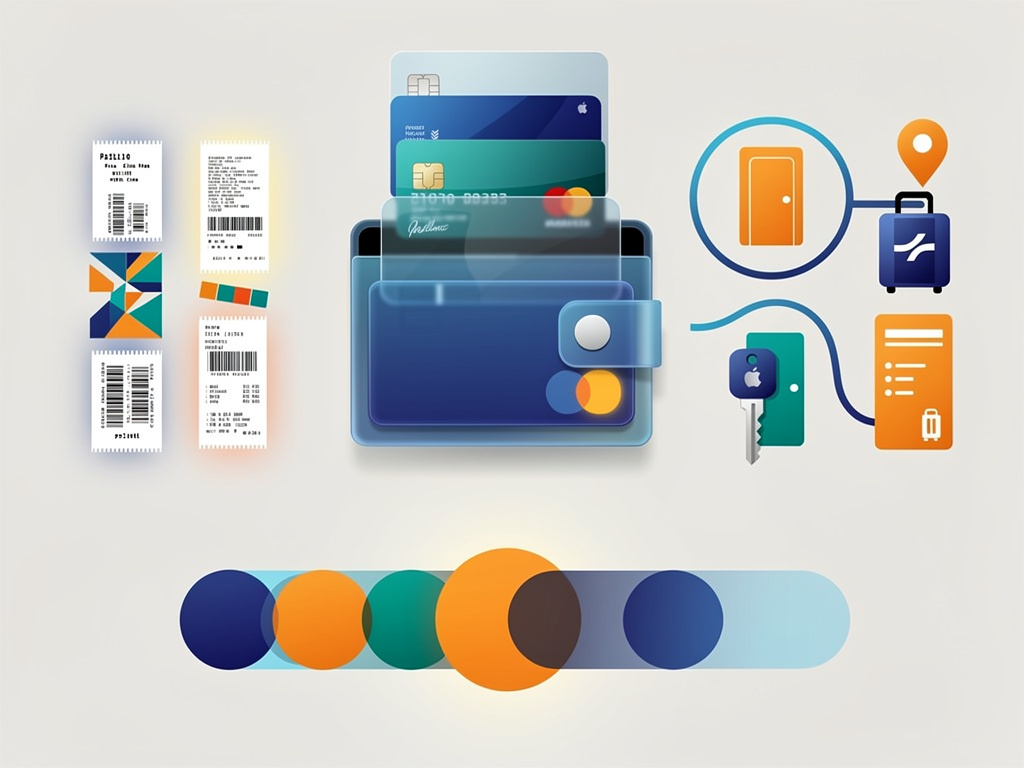
Apple has quietly transformed its Wallet app into something far more capable. The changes coming with iOS 27 go beyond incremental updates. They address long-standing frustrations with physical cards, group payments and travel coordination.
Users will soon scan a loyalty card or membership with their iPhone camera and turn it into a digital pass. No more digging through a physical wallet at checkout. Point the device at any barcode-equipped card in Siri mode and the system creates a scannable version ready for iPhone or Apple Watch. The same option exists directly inside Wallet. Digital Trends detailed how these passes appear with vibrant background art, custom branding and information tiles showing points balances or perks.
But the real shift lies in what happens next. Those newly created passes gain richer designs. Apple first introduced enhanced boarding passes last year. Now the same treatment extends to loyalty cards, rewards programs, memberships and gift cards. Tiles below each pass deliver relevant data at a glance. Real-time updates arrive automatically. Approach the gates at Walt Disney World and a notification surfaces trip details, reservations and upcoming events right when needed.
Hotels get special attention too. Digital keys already unlock doors at many properties. With iOS 27 the experience expands. Guests view trip details, receive updates on booked activities and access available services all from one place in Wallet. It functions like a mini concierge. Apple has not disclosed which chains will support the feature at launch. Yet the potential for travelers stands clear. One pass holds everything instead of scattered apps and emails.
Group dinners just became less awkward. The new bill-splitting tool uses Apple Cash and Apple Intelligence. Scan a receipt with the camera or pull up a photo. The system identifies items, lets users assign shares, calculates tax and tip automatically. Requests for exact amounts go out through Messages, Wallet or the camera interface. The feature works only in the U.S. and requires a compatible iPhone. Apple described the process in its announcement: “When users point their iPhone at a receipt using Siri mode, it can surface the relevant action to split a bill with Apple Cash and identify the items on the receipt.” Apple Newsroom.
And the checkout flow itself looks different. Apple Pay now presents a redesigned payment sheet. Swipe between available cards instead of tapping through menus. Balances for rewards, debit accounts and pay-later options appear upfront. Later this year users will add funds to eligible debit or prepaid cards straight from Wallet or during online checkout. These small conveniences accumulate. They reduce friction at the precise moment money changes hands.
Tap to Share takes the interaction further. At participating merchants with Tap to Pay, customers tap their iPhone to the store device. They securely transmit shipping details, email or loyalty information. The basket updates in real time on the phone. Payment finishes with Apple Pay without another tap. The mechanism demands an iPhone 12 or newer running iOS 27.
Technical improvements support the new capabilities. Wallet now recognizes additional barcode formats: EAN-13, Code 39, Codabar and ITF. Order tracking expands to Australia and Canada after starting in the U.S. and U.K. On Apple Watch, pinned passes, keys and tickets surface proactively in Smart Stacks based on time and location.
Businesses gain tools as well. A new macOS app called Pass Designer, available in beta with macOS 27, lets developers build and preview these enhanced passes. The template supports interactive tiles called Featured Actions that link to web pages for more information. MacRumors noted the gradual rollout across pass types.
Recent coverage confirms the breadth of changes. CNET highlighted how the create-a-pass function removes barriers for unsupported cards while the redesigned checkout surfaces more context at payment time. Hands-on videos circulating since the announcement show the camera scanning process in action. Users add a gym membership in seconds. The resulting pass displays clearly on the lock screen or Watch face.
These updates build on years of steady progress. Apple introduced Tap to Cash last year. Event tickets gained venue maps and recommended playlists. Digital IDs rolled out in more states. Yet iOS 27 feels different. It hands ordinary users the ability to digitize almost any card. It applies intelligence to tedious tasks like dividing a check. It consolidates travel information that once lived across multiple apps.
Developers must adopt the new pass formats for full effect. Hotels and resorts need to enable richer keys. Merchants must support Tap to Share. Adoption will determine impact. Still the foundation exists. Wallet moves from a payment tool toward a central hub for identification, access and daily transactions.
Eddy Cue, Apple’s senior vice president of services, captured the intent. “We’re excited to bring powerful new features and intelligence to hundreds of millions of users across Apple services, making their experiences even more useful and fun,” he said in the company’s announcement. The Wallet changes embody that promise. They solve concrete problems rather than chase novelty.
Public betas arrive next month. The full release lands this fall. By then early testers will have spent weeks creating custom passes and splitting tabs with friends. Their feedback will shape refinements. For now the vision stands. Physical wallets grow lighter. Group payments become precise. Hotel stays feel more connected. Apple Wallet in iOS 27 does not merely store cards. It organizes life around them.


 WebProNews is an iEntry Publication