
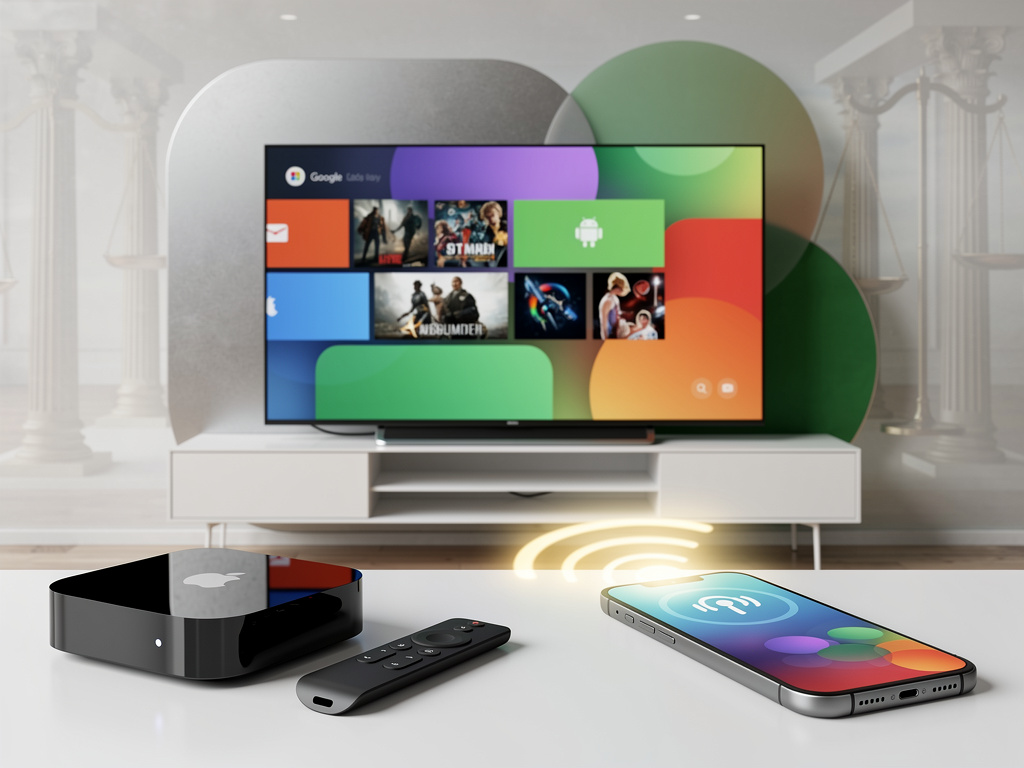
In a move that signals a subtle thaw in the longstanding rivalry between tech giants, Apple has rolled out a significant update to its Apple TV app for Android devices, introducing support for Google Cast. This feature, long requested by users bridging the iOS and Android ecosystems, allows subscribers to stream content from their Android phones or tablets directly to compatible TVs and smart displays. The update, which landed quietly this week, marks a pivotal step in Apple’s strategy to expand its streaming service’s reach beyond its walled garden, potentially drawing in millions of Android users who have felt sidelined by platform exclusivities.
For years, Apple TV+ has been a premium offering, boasting original content like “Ted Lasso” and “Severance,” but its accessibility on non-Apple devices has been inconsistent. Android users gained official access to the app in February 2025, as reported by Dataconomy, yet it lacked key integrations that would make it a seamless part of the Android experience. The addition of Google Cast—Google’s protocol for wireless streaming—addresses this gap, enabling users to cast shows, movies, and even live events to devices like Chromecast, Google Nest Hub, or Android TV sets without needing Apple’s proprietary hardware.
This isn’t just a technical tweak; it’s a strategic pivot. Industry analysts note that Apple, facing intensifying competition from services like Netflix and Disney+, is increasingly prioritizing subscriber growth over ecosystem lock-in. By embracing Google Cast, Apple is effectively acknowledging the dominance of Android in global markets, where it commands over 70% of smartphone share. Users can now initiate playback on their phone and continue on a larger screen with a simple tap, mirroring the convenience long enjoyed by iOS users via AirPlay.
A Bridge Across Ecosystems
The rollout comes amid broader shifts in how tech companies handle interoperability. Posts on X (formerly Twitter) from users and tech enthusiasts highlight the excitement, with many praising the update as a “game-changer” for mixed-device households. One post noted how this feature revives the appeal of Apple TV+ for Android loyalists who previously resorted to workarounds like web browsers or third-party apps. This sentiment echoes reports from 9to5Mac, which detailed concurrent updates to tvOS 26.2 for Apple TV hardware, including enhanced integration with external streaming protocols.
Delving deeper, the Google Cast support isn’t merely about casting video; it extends to offline downloads and trial periods, as outlined in a recent piece from Gagadget. Subscribers can download episodes for offline viewing on Android and then cast them when connected, a boon for travelers or those with spotty internet. This builds on Apple’s earlier efforts to make its services more platform-agnostic, such as the 2021 expansion of Apple TV to Android TV devices, which was celebrated in X posts from that era for bringing Dolby Vision support to non-Apple hardware.
However, the update isn’t without limitations. Early user feedback on X indicates that while casting works smoothly for most content, live sports and certain interactive features may require additional setup. This aligns with Apple’s cautious approach to cross-platform features, ensuring that core experiences remain optimized for its own devices. Insiders suggest this is part of a calculated effort to boost Apple TV+ subscriptions, which have grown steadily but lag behind rivals in total viewership.
Evolution of Streaming Rivalries
To understand the significance, consider the historical context. Apple launched its TV app on Android amid rumors of broader expansions, as chronicled in a 2024 report from MacRumors about upcoming hardware like a potential Apple TV Pro slated for 2026. That device, speculated to feature advanced processing for AI-driven recommendations, could further blur lines between Apple’s ecosystem and Android’s. The Cast integration might be a precursor, testing waters for deeper collaborations.
Comparisons to competitors are inevitable. Netflix recently removed Google Cast support from its Android app, citing technical reasons, a move that frustrated users as per discussions on X. In contrast, Apple’s addition of the feature positions it as more user-friendly, potentially siphoning subscribers disillusioned with Netflix’s decisions. A recent article in Android Police described this as the “feature we’ve all been waiting for,” emphasizing how it simplifies streaming in Android-centric homes.
Moreover, this development ties into regulatory pressures. Antitrust scrutiny in the U.S. and Europe has pushed companies like Apple to open up their services. By supporting Google Cast, Apple may be preempting criticisms of anti-competitive practices, much like its earlier concessions on app store policies. Tech policy experts argue this could set a precedent for future integrations, such as Apple Music enhancements on Android, which have also seen recent updates according to older X posts from insiders.
Technical Underpinnings and User Impact
From a technical standpoint, integrating Google Cast involves leveraging Google’s SDK, which Apple has adapted to ensure compatibility with its content delivery network. This means low-latency streaming and support for high-resolution formats, including 4K HDR where available. Users initiating a cast from the Apple TV app will see a familiar Cast icon, allowing selection of nearby devices. As detailed in Apple’s support documentation via Apple Support, this aligns with tvOS updates that enhance multi-device synchronization.
For industry insiders, the real intrigue lies in data implications. By enabling casting on Android, Apple gains insights into viewing habits across a wider user base, informing content strategies. This data could refine algorithms for personalized recommendations, a key battleground in streaming wars. X posts from tech analysts speculate that this might lead to more Android-specific features, like deeper integration with Google Assistant for voice-controlled playback.
Challenges remain, though. Not all Android devices support the latest Cast protocols, potentially leading to compatibility issues on older hardware. Additionally, privacy concerns arise, as casting involves data sharing between Apple and Google ecosystems. Apple has emphasized its commitment to end-to-end encryption, but skeptics on X point out potential vulnerabilities in cross-platform transmissions.
Strategic Implications for Apple and Google
Looking ahead, this update could influence hardware roadmaps. Rumors from Stuff suggest the 2026 Apple TV might incorporate hybrid features supporting both AirPlay and Cast natively, creating a truly universal streaming hub. This would appeal to enterprises managing diverse device fleets, from conference rooms to home theaters.
Google benefits too, as broader Cast adoption reinforces its protocol’s ubiquity. With Apple on board, developers might prioritize Cast in new apps, strengthening Google’s position against competitors like Amazon’s Fire TV ecosystem. Collaborative efforts could extend to joint ventures, such as shared standards for smart home integration.
User adoption will be the ultimate test. Early metrics from app analytics, as hinted in recent news from The Verge, show increased downloads of the Apple TV app on Android since the update. This surge aligns with Apple’s teaser of 2026 premieres, including unannounced films, as covered by 9to5Mac in a separate report on upcoming content.
Beyond the Screen: Market Ramifications
The broader market dynamics are shifting as well. Streaming services are consolidating, with bundling deals becoming commonplace. Apple’s move could facilitate partnerships, perhaps bundling TV+ with Google One subscriptions. Insiders speculate this might counter Amazon’s aggressive expansions in content and hardware.
For consumers, the update democratizes access to premium content. Families with mixed devices no longer face friction; an Android user can cast “The Morning Show” to a living room TV while an iPhone user joins via AirPlay. This inclusivity might boost retention rates, as seamless experiences reduce churn.
Critics, however, question if this dilutes Apple’s brand premium. By venturing deeper into Android territory, Apple risks commoditizing its services. Yet, historical precedents—like iTunes on Windows—suggest such expansions fuel growth without eroding core appeal.
Future Horizons in Cross-Platform Streaming
As we peer into 2026, the integration hints at more ambitious crossovers. Speculation on X includes possibilities like Apple TV hardware running Android apps or vice versa. While far-fetched, the Cast support lays groundwork for such innovations.
Regulatory landscapes will shape these evolutions. With ongoing probes into Big Tech, features promoting openness could become mandatory. Apple’s proactive stance positions it favorably.
Ultimately, this update exemplifies how competition drives progress. By bridging divides, Apple not only enhances user experiences but also fortifies its place in an increasingly interconnected digital world, where flexibility trumps isolation. As more details emerge, the industry will watch closely to see if this is the start of a new era of cooperation.


 WebProNews is an iEntry Publication