
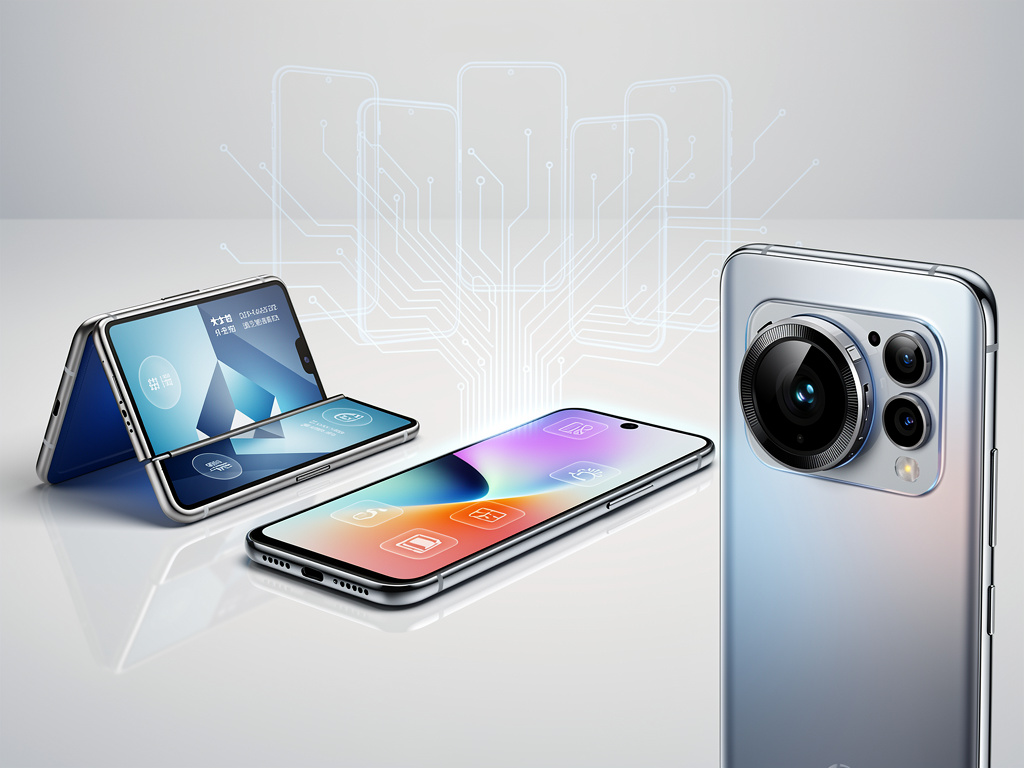
Apple’s Hidden Horizon: How iPhone 18 Might Embrace Android’s Under-Screen Revolution
Apple Inc. has long been a trendsetter in the smartphone arena, but recent leaks suggest the company is poised to borrow a page from its Android rivals for the iPhone 18. According to reports, the tech giant is testing under-display Face ID technology, a feature that could eliminate the notorious notch and usher in a seamless screen experience. This move, if realized, would mark a significant shift for Apple, which has traditionally prioritized its own innovations over adopting competitor features.
The under-display Face ID rumor stems from supply chain insights, indicating Apple is experimenting with “spliced micro-transparent glass” to embed biometric sensors beneath the screen. This technology aims to maintain the security and functionality of Face ID while hiding it from view, potentially shrinking the Dynamic Island to a minimal hole-punch or even eliminating it entirely. Such a development would align the iPhone more closely with high-end Android devices that have sported under-screen cameras and sensors for years.
Industry analysts see this as Apple’s response to consumer demands for uninterrupted displays. For instance, Samsung and Google have integrated similar tech in models like the Galaxy Z Fold series and Pixel lineup, allowing for expansive, notch-free screens that enhance media consumption and multitasking. Apple’s adoption could signal a broader convergence in smartphone design, where aesthetics and functionality blend without compromise.
Evolution of Biometric Integration
The journey toward under-display biometrics isn’t new for the industry. Android manufacturers pioneered this with under-screen fingerprint scanners as early as 2018, evolving to include cameras by 2021. Apple’s hesitation has been rooted in its commitment to Face ID’s superior security, which relies on a complex array of infrared sensors and dot projectors that are challenging to conceal without degrading performance.
Recent leaks from Chinese sources, including Weibo user “Smart Pikachu,” detail Apple’s testing of specialized glass that allows infrared light to pass through the display unimpeded. This innovation, as reported by MacRumors, could debut in the iPhone 18 Pro models slated for 2026. The technology involves a “micro-transparent” layer that maintains display integrity while enabling sensor functionality, addressing past issues like reduced image quality or slower recognition speeds seen in early Android implementations.
Comparatively, Samsung’s Galaxy S21 Ultra introduced an under-display camera in 2021, but it faced criticism for subpar selfie quality due to light diffraction. Apple, known for meticulous engineering, is likely aiming to surpass these limitations, potentially using advanced materials to ensure Face ID remains as reliable as ever. This could give the iPhone 18 a competitive edge in a market where screen real estate is paramount.
Design Implications for Future iPhones
Beyond biometrics, the iPhone 18 lineup is rumored to incorporate other Android-inspired elements, such as variable aperture cameras and foldable form factors. Leaks suggest a “Fusion” camera system with adjustable apertures, a feature Samsung has offered since the Galaxy S9 in 2018, allowing for better low-light performance and depth control. Integrating this with under-display tech could create a photography powerhouse hidden behind a flawless screen.
Foldable designs, another Android staple, are also on the horizon for Apple. According to MacRumors, the iPhone 18 may include Apple’s first foldable model, possibly featuring an 8-inch inner display and creaseless technology akin to the Galaxy Z Fold series. This would expand Apple’s portfolio into new form factors, appealing to users seeking versatile devices for productivity and entertainment.
On social platforms like X (formerly Twitter), enthusiasts are buzzing about these possibilities. Posts from users such as TrakinTech describe a book-style foldable with a 5- to 6-inch cover screen and advanced modems, reflecting widespread excitement and speculation. These discussions highlight a growing sentiment that Apple is catching up to Android’s lead in innovative hardware, potentially reshaping user expectations for premium smartphones.
Technological Challenges and Solutions
Implementing under-display Face ID presents formidable engineering hurdles. The primary challenge is ensuring that the TrueDepth camera system, which projects 30,000 infrared dots for facial mapping, functions accurately through an OLED panel. Early attempts by competitors like ZTE with the Axon 20 in 2020 resulted in hazy images and unreliable unlocks, prompting refinements in pixel density and transparency.
Apple’s approach, as leaked, involves collaboration with suppliers like LG and Samsung Display to develop panels with embedded transparent zones. A report from Digital Trends notes that this five-year-old Android trend could finally pay off for Apple, pushing toward a full-screen future without visible cutouts. By 2026, advancements in 2nm chip processes for the A20 Pro chip could provide the computational power needed to compensate for any signal loss.
Moreover, integrating this with MagSafe and other features requires careful design. Rumors from Reddit’s r/apple community, as aggregated in various posts, mention a “translucent” MagSafe area and slimmer bezels, suggesting a holistic redesign. This could lead to a device that’s not only more immersive but also more durable, with potential improvements in battery life through efficient power management.
Market Dynamics and Competitive Pressures
The smartphone market is increasingly saturated, with consumers demanding differentiation beyond incremental upgrades. Android brands have leveraged under-display tech to offer unique selling points, such as the Oppo Find X3’s seamless front camera. Apple’s entry could intensify competition, forcing rivals to innovate further in areas like AI integration or sustainable materials.
Analysts predict that if the iPhone 18 successfully implements this, it could boost sales by attracting Android users frustrated with fragmented ecosystems. A piece from Macworld speculates on enhancements like a variable aperture for the main camera, potentially revolutionizing mobile photography by allowing manual control over light intake, a boon for professionals.
Social media sentiment on X underscores this shift, with users like lukosois sharing concepts of a foldable iPhone 18 with under-display systems and port-less designs. These visions, while speculative, indicate a community eager for Apple to blend its software prowess with hardware innovations borrowed from across the aisle.
Innovation Borrowing and Ecosystem Impact
Apple’s history of refining existing technologies—think wireless charging or always-on displays—suggests under-display Face ID will be polished to perfection. This isn’t mere imitation; it’s adaptation. By incorporating Android-inspired features, Apple could enhance its ecosystem, making devices like the Apple Watch or iPad more seamlessly integrated through improved facial recognition across products.
Supply chain reports from Wccftech detail potential pricing and specs, including up to 2TB storage and 6G readiness, positioning the iPhone 18 as a forward-looking device. The foldable variant, expected alongside standard models, might feature Touch ID as a backup, addressing any under-display reliability concerns in varied lighting conditions.
Critics argue this move blurs the lines between iOS and Android, but proponents see it as evolution. As noted in a TechRadar article, Samsung’s 2021 introduction of under-display cameras set a precedent that Apple is now poised to elevate, potentially with superior image processing via its neural engine.
Future Prospects and Industry Ripple Effects
Looking ahead, the iPhone 18’s innovations could influence broader tech trends, encouraging more manufacturers to pursue bezel-less designs. This might accelerate developments in flexible displays and advanced biometrics, benefiting the entire sector. For Apple, success here could solidify its dominance, especially as it navigates regulatory pressures for openness in app ecosystems.
Leaked timelines point to a September 2026 release, aligning with Apple’s annual cycle. Insights from PhoneArena emphasize how close Apple is to achieving this “radical” change, with suppliers ramping up production of compatible components.
On X, posts from accounts like रामगुप्त सौरभ outline Apple’s multi-year plan, including foldables and under-display tech, painting a picture of aggressive innovation. This collective buzz suggests the iPhone 18 isn’t just an upgrade—it’s a potential game-changer, blending the best of both worlds to redefine what a smartphone can be.
Strategic Considerations for Apple
Strategically, embracing Android features allows Apple to address criticisms of stagnation. The Dynamic Island, introduced in the iPhone 14 Pro, was a clever workaround, but a true under-display solution would represent a leap forward. This could appeal to creative professionals who value immersive screens for editing and design work.
Furthermore, environmental considerations play a role. By minimizing cutouts, Apple could optimize internal space for larger batteries or better cooling, extending device longevity and reducing electronic waste. Reports from WiFi Planet highlight the A20 chip’s 2nm process, which promises efficiency gains that complement these design shifts.
In the end, as speculation mounts, the iPhone 18 stands as a testament to the fluid nature of tech innovation, where borrowing and building upon ideas drives progress. Whether it fully realizes these rumors remains to be seen, but the anticipation alone underscores Apple’s enduring influence in shaping mobile technology’s future.


 WebProNews is an iEntry Publication