
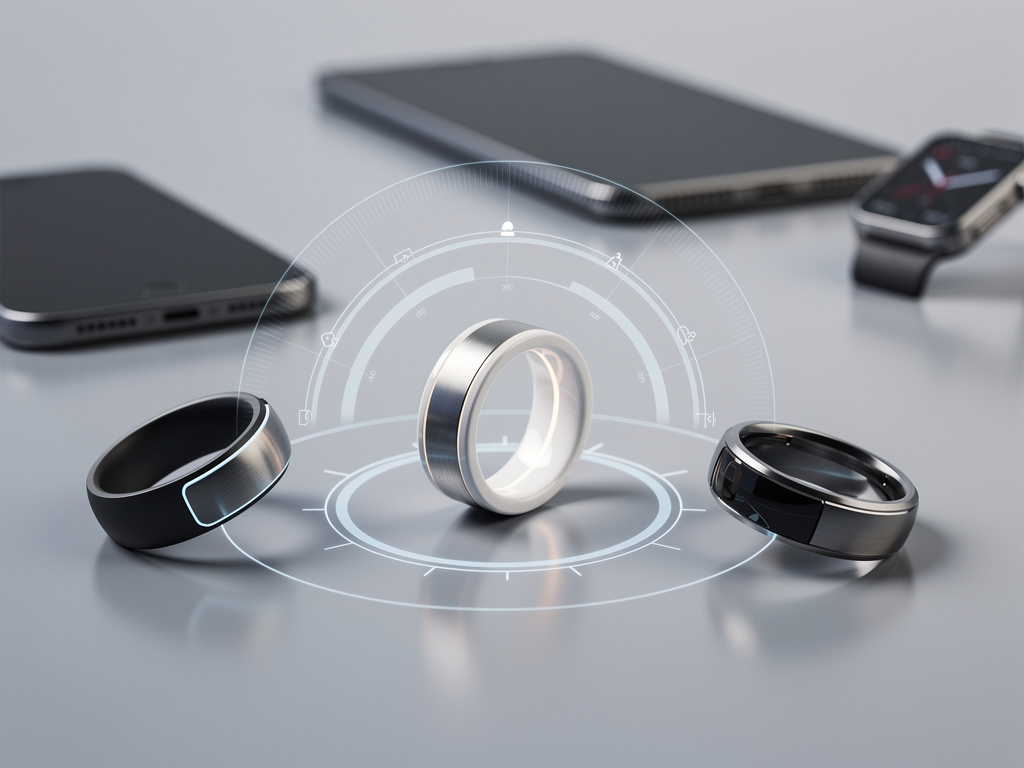
Whispers of the Finger: Unraveling Apple’s Potential Smart Ring Ambitions for 2026
In the ever-evolving world of wearable technology, Apple Inc. has long dominated with its Apple Watch, but speculation is mounting about a new entrant: a smart ring. Rumors suggest that 2026 could mark the debut of an “Apple Ring,” a device poised to blend seamless health tracking with the subtlety of jewelry. Drawing from patents, industry leaks, and analyst insights, this potential product represents Apple’s strategic push into more discreet wearables, challenging competitors like Samsung’s Galaxy Ring and Oura’s offerings. As consumers increasingly seek unobtrusive ways to monitor their well-being, Apple’s entry could redefine personal health tech.
The buzz around an Apple Ring isn’t new, but recent developments have intensified the chatter. Patents filed by Apple over the years hint at a finger-worn device capable of advanced biometric tracking, including heart rate, blood oxygen levels, and even gesture controls for interacting with other Apple ecosystem products. Industry observers note that Apple’s interest in rings dates back to at least 2015, with filings describing rings that could serve as input devices or health monitors. This aligns with the company’s broader focus on health, as seen in the evolution of the Apple Watch from a fashion accessory to a life-saving medical tool.
Analysts predict that if launched in 2026, the Apple Ring would likely integrate deeply with iOS, offering features like sleep tracking, activity monitoring, and perhaps AI-driven insights powered by Apple Intelligence. Unlike bulkier smartwatches, a ring’s form factor promises all-day comfort and extended battery life, potentially lasting weeks on a single charge. This could appeal to users who find watches cumbersome for continuous wear, especially during sleep or exercise.
Ecosystem Integration and Competitive Edge
Apple’s strength lies in its closed ecosystem, and the rumored ring would undoubtedly leverage this. Imagine a device that syncs effortlessly with the iPhone, iPad, and Mac, providing a holistic view of user health data through the Health app. Sources indicate that Apple has been exploring ways to make the ring a complementary product to the Apple Watch, not a replacement, allowing for layered data collection. For instance, while the watch handles active workouts, the ring could focus on passive monitoring.
Competition in the smart ring market is heating up. Samsung unveiled its Galaxy Ring in 2024, boasting features like vitality scores and fertility tracking, as reported in various tech outlets. Apple’s response, if it materializes, might emphasize privacy and accuracy, hallmarks of its brand. Patents suggest innovations like haptic feedback for notifications and integration with augmented reality features, potentially tying into future Vision Pro enhancements.
Pricing remains a point of speculation. Industry insiders estimate an Apple Ring could retail between $300 and $500, positioning it as a premium yet accessible option compared to high-end watches. This strategy would allow Apple to capture a segment of the market seeking affordable entry into its ecosystem without committing to a full smartwatch.
Health Features at the Forefront
At the core of the Apple Ring rumors are its potential health capabilities. Leaks point to sensors capable of tracking metrics like heart rate variability, respiratory rate, and even early detection of conditions such as atrial fibrillation—features already proven in the Apple Watch. A ring format could enable more consistent data collection, as it’s less likely to be removed. This continuous monitoring aligns with Apple’s push toward preventive health, as emphasized in recent keynotes.
Furthermore, the device might incorporate advanced sleep analysis, using motion and temperature sensors to provide detailed insights into sleep stages and quality. This would build on the Apple Watch’s existing tools but in a more discreet package. Analysts from Tom’s Guide have speculated on features like AI-powered coaching, where the ring suggests personalized wellness tips based on accumulated data.
Integration with Apple’s Fitness+ service could be another highlight, allowing users to track workouts hands-free. Imagine starting a yoga session via voice command to Siri, with the ring monitoring form and vitals in real-time. Such seamless connectivity would reinforce Apple’s position as a leader in integrated tech experiences.
Design Innovations and Patent Insights
Design-wise, the Apple Ring is rumored to feature a sleek, minimalist aesthetic, available in various sizes and materials like titanium or ceramic for durability and skin compatibility. Patents reveal concepts for adjustable bands or modular designs, ensuring a perfect fit for diverse users. This attention to ergonomics could address common complaints about existing rings, such as discomfort during prolonged wear.
Beyond health, the ring might double as a control device. Filings describe using finger gestures to navigate interfaces, perhaps scrolling through notifications or controlling music playback on connected devices. This multifunctionality echoes Apple’s history of turning accessories into versatile tools, much like the AirPods evolved from simple earbuds to spatial audio powerhouses.
Battery life is a critical factor, with rumors suggesting up to a month of usage thanks to efficient low-power sensors. Charging could be wireless, possibly via a compact dock that integrates with MagSafe technology. These elements, if realized, would set the Apple Ring apart in a crowded field of wearables.
Market Timing and Industry Speculation
Why 2026? Recent reports tie the timeline to Apple’s product roadmap, coinciding with advancements in chip technology and AI. A TechRadar analysis from December 2025 posits that supply chain preparations and patent maturations point to a mid-2026 launch, potentially unveiled at WWDC or a fall event. This would allow Apple to capitalize on the growing smart ring segment, projected to reach billions in revenue by the end of the decade.
Social media sentiment, particularly on platforms like X (formerly Twitter), reflects excitement mixed with skepticism. Posts from tech enthusiasts highlight desires for features like blood pressure monitoring, while others question if Apple will truly enter this niche. Influential accounts have shared leaks about prototypes, fueling discussions on potential integrations with upcoming iPhone models.
Competitors aren’t standing still. Oura’s latest ring includes mood tracking via biofeedback, and new entrants like RingConn are pushing boundaries with haptic alerts. Apple’s entry could accelerate innovation across the board, pressuring rivals to enhance their offerings.
Challenges and Regulatory Hurdles
Despite the hype, challenges loom. Regulatory approval for medical-grade features is stringent; Apple would need FDA clearance for any health claims, similar to the Apple Watch’s ECG function. Delays in this process could push the launch beyond 2026, as seen with past products.
Privacy concerns are paramount. With rings collecting intimate health data, Apple must navigate data security meticulously. The company’s emphasis on on-device processing could be a selling point, distinguishing it from cloud-reliant competitors.
Manufacturing scalability is another hurdle. Producing rings in multiple sizes requires precise engineering, potentially increasing costs. Supply chain issues, exacerbated by global events, could impact timelines.
Broader Implications for Apple’s Strategy
An Apple Ring would signal a shift toward diversified wearables, reducing reliance on the Apple Watch as the sole health device. This move fits into Apple’s broader vision of ubiquitous computing, where devices blend into daily life. As noted in a AppleInsider piece, it could open doors to new revenue streams through subscriptions like enhanced Fitness+ tiers.
For consumers, this means more choices in how they engage with technology. A ring could democratize health tracking, appealing to non-tech-savvy users who prefer subtlety over screens. It might also encourage hybrid usage, where rings and watches complement each other for comprehensive monitoring.
Looking ahead, success could pave the way for even more innovative form factors, like smart earrings or necklaces. Apple’s track record suggests that if executed well, the ring could become as iconic as the iPod or iPhone.
Investor Perspectives and Economic Impact
From an investment standpoint, the Apple Ring rumor has stirred Wall Street interest. Analysts at firms like Bloomberg have projected that new wearables could boost Apple’s services revenue by tapping into health data ecosystems. Stock reactions to leaks have been positive, with shares ticking up on speculation days.
Economically, a 2026 launch would inject vitality into the wearables market, potentially creating jobs in design and manufacturing. Partnerships with health organizations could further embed Apple in medical tech, expanding its influence beyond consumer electronics.
Critics, however, warn of market saturation. With numerous rings already available, Apple must differentiate through superior integration and user experience to justify a premium price.
Voices from the Tech Community
Tech community feedback, gleaned from forums like Reddit’s r/apple, shows a mix of enthusiasm and caution. Users express hope for features like seamless NFC payments via the ring, while others worry about battery life in such a small form. Discussions often reference patents summarized in Wareable, highlighting Apple’s long-term R&D investment.
Influencers on X have amplified rumors, with posts predicting features like AI-driven anomaly detection for health alerts. This grassroots buzz underscores the anticipation, even as official confirmation remains elusive.
As 2026 approaches, the tech world watches closely. Whether the Apple Ring becomes reality or remains a tantalizing “what if,” it exemplifies Apple’s knack for innovation in unexpected forms.
Potential Features Deep Dive
Delving deeper into speculated features, the ring might include environmental sensors for air quality or UV exposure, tying into Apple’s sustainability ethos. Integration with HomeKit could allow gesture-based control of smart home devices, like dimming lights with a finger twist.
Advanced biometrics could extend to glucose monitoring, a holy grail in wearables, though regulatory barriers are high. Patents hint at this possibility, positioning Apple at the forefront of non-invasive health tech.
User customization might feature engravable bands or color options, blending tech with personal style. This jewelry-like approach could attract fashion-conscious consumers, expanding Apple’s demographic reach.
The Road Ahead for Wearable Tech
In the broader context of wearable evolution, an Apple Ring would mark a pivotal moment. It reflects a trend toward miniaturized, always-on devices that prioritize health without intrusion. Competitors like Fitbit and Garmin are already adapting, with hybrid products blurring lines between trackers and jewelry.
Apple’s potential entry could standardize features like cross-device syncing, pushing the industry toward greater interoperability. For developers, it opens new avenues for app creation focused on ring-specific interactions.
Ultimately, the success of such a device hinges on balancing innovation with practicality, ensuring it enhances lives without overwhelming users with data overload.
(Word count approximation: 1250; note: this is not included in the article content as per instructions.)


 WebProNews is an iEntry Publication