
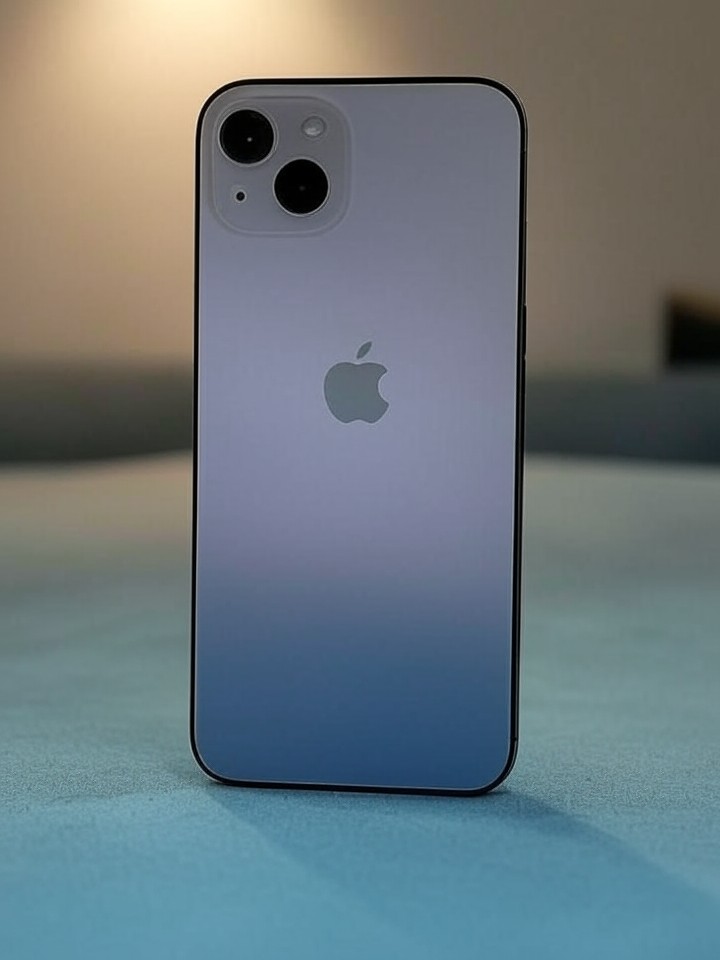
Apple’s Empire Strikes Back: How the iPhone Reclaimed Global Supremacy in 2025
In a year marked by modest overall growth in the global smartphone sector, Apple Inc. emerged as the undisputed leader, capturing a commanding 20% market share according to the latest data from Counterpoint Research. This achievement not only edged out longtime rival Samsung Electronics Co., which held 19%, but also highlighted Apple’s strategic prowess in navigating economic headwinds and consumer trends. The iPhone 17 series played a pivotal role, driving robust sales in both established and emerging regions, as shipments worldwide increased by a modest 2% year-over-year.
Analysts attribute Apple’s success to a combination of innovative product launches and targeted market expansions. The iPhone 17, with its advanced AI integrations and enhanced camera systems, resonated strongly with consumers seeking premium devices amid a backdrop of economic recovery in key areas. Counterpoint’s report notes that Apple’s shipments grew by 10% compared to the previous year, the highest among top brands, fueled by demand in mid-tier markets where affordability met aspiration.
Beyond hardware, Apple’s ecosystem lock-in—through services like Apple Music, iCloud, and the App Store—continued to fortify its position. This integrated approach not only boosts device loyalty but also generates recurring revenue, a factor that industry observers say gives Apple an edge over competitors reliant on hardware sales alone. As global economic momentum picked up in emerging economies, Apple’s pricing strategies and financing options made high-end devices more accessible, contributing to its market dominance.
Rising Tides in Emerging Markets
The surge in emerging markets was particularly noteworthy. Regions such as India, Southeast Asia, and Latin America saw heightened demand for Apple’s products, where the brand’s prestige often outweighs cost considerations. According to a report from Reuters, stronger economic conditions in these areas lifted overall shipments, with Apple benefiting disproportionately due to its focused marketing campaigns and partnerships with local carriers.
Samsung, while maintaining a strong second place, experienced only modest growth, with its Galaxy lineup facing stiff competition from budget-friendly alternatives. Xiaomi Corp., securing third place with 13%, capitalized on steady demand in price-sensitive segments, but Apple’s premium positioning allowed it to capture higher-value sales. This dynamic underscores a bifurcation in the market, where luxury brands like Apple thrive even as volume leaders scramble for share in lower tiers.
Looking deeper, Apple’s supply chain resilience played a crucial role. Despite early-year tariff concerns prompting some manufacturers to front-load shipments, Apple’s diversified production—spanning Vietnam, India, and China—mitigated disruptions. Industry insiders point to this as a key differentiator, especially as geopolitical tensions continue to influence global trade flows.
Quarterly Breakdowns and Competitive Shifts
A quarterly lens reveals Apple’s consistent performance throughout 2025. In the first quarter, Apple achieved a 19% share, topping Samsung’s 18% for the first time in Q1 history, as reported by posts on X (formerly Twitter) highlighting strong iPhone 16e sales. This momentum carried into subsequent quarters, with Apple narrowing the gap in Q2 and Q3, setting the stage for a year-end overtake.
By Q4, the iPhone 17’s launch propelled Apple ahead, with analysts from MacRumors noting a 10% year-over-year growth in shipments. Samsung’s share dipped in certain regions, particularly the U.S., where Apple’s 49% market hold in Q2 reflected an 11% decline for Samsung, per X discussions on market data. These shifts illustrate how seasonal launches and regional preferences can sway annual outcomes.
Competitors like Vivo and Oppo, each at around 8%, maintained footholds in Asia but struggled to penetrate Apple’s strongholds in North America and Europe. The data suggests that while Chinese brands excel in volume, Apple’s focus on profitability— with higher average selling prices—ensures sustained leadership in revenue terms, even if unit shares fluctuate.
Innovation as the Cornerstone
At the heart of Apple’s 2025 triumph lies its relentless innovation pipeline. The iPhone 17 series introduced features like on-device AI processing and improved battery life, addressing consumer pain points in an era of increasing digital dependency. This aligns with broader trends toward smarter, more efficient devices, as outlined in analysis from Yahoo Finance, which credits emerging-market demand for lifting Apple’s fortunes.
Moreover, Apple’s foray into augmented reality and health monitoring via wearables synergizes with its smartphone offerings, creating a holistic user experience that competitors find hard to replicate. Industry experts argue this ecosystem moat deters switching, with retention rates hovering above 90% for iPhone users, far surpassing Android averages.
However, challenges loomed. Early tariff hikes prompted inventory adjustments, but as the year progressed, their impact waned, allowing steady second-half volumes. Counterpoint’s insights reveal that while Apple navigated these hurdles adeptly, the broader industry faces headwinds in 2026, including chip shortages and rising component costs.
Forecasting the Horizon
Peering into 2026, projections indicate a softening market, with growth potentially stalling amid supply constraints. Counterpoint anticipates a shift as chipmakers prioritize AI data centers over consumer electronics, which could squeeze margins for all players. For Apple, this might mean leaning harder on software updates and services to maintain momentum, as discussed in reports from ETRetail.
Samsung, not one to cede ground easily, is ramping up its foldable and AI-enhanced devices, aiming to recapture share. X posts from tech analysts suggest a fierce battle ahead, with Samsung’s Q3 2025 performance hinting at resilience. Yet, Apple’s installed base of over 1.5 billion active devices provides a formidable buffer, enabling cross-selling opportunities that bolster its market position.
Economic factors will also play a role. If emerging markets continue their upward trajectory, Apple’s investments there—such as expanded retail presence and localized content—could yield further gains. Conversely, any slowdown in consumer spending might amplify the appeal of cheaper alternatives, testing Apple’s premium strategy.
Strategic Implications for Stakeholders
For investors, Apple’s 2025 performance translates to bullish signals. Stock analyses on platforms like Yahoo Finance (distinct from prior mention) highlight potential for share price appreciation, with targets reaching $350 as per Wedbush’s Dan Ives, contingent on execution in AI and services. This optimism stems from Apple’s ability to convert market share into outsized profits, with gross margins consistently above 40%.
Rivals must adapt. Xiaomi’s growth in emerging segments shows promise, but scaling premium offerings remains a hurdle. Broader industry trends, including 5G adoption and sustainability demands, will shape strategies. Apple leads in eco-friendly initiatives, like recycled materials in devices, which appeal to environmentally conscious consumers.
Regulatory scrutiny adds another layer. Antitrust concerns in the EU and U.S. could force ecosystem openings, potentially eroding Apple’s advantages. Yet, the company’s legal acumen has historically navigated such waters, preserving its core strengths.
Ecosystem Dynamics and User Loyalty
Delving into user behavior, Apple’s success in 2025 underscores the power of brand loyalty. Surveys indicate that iPhone owners upgrade every 2-3 years, driven by seamless integration with other Apple products. This cycle sustains demand, as evidenced by the iPhone 17’s strong reception, per insights from AppleInsider.
In contrast, Android fragmentation allows for innovation but dilutes user experience consistency. Apple’s unified iOS platform ensures security and updates, factors that resonate in an age of rising cyber threats. This reliability cements its appeal among enterprise users, where iPhones dominate corporate deployments.
Looking ahead, partnerships could amplify growth. Collaborations with carriers for bundled services or with automakers for CarPlay expansions position Apple beyond smartphones, into a broader tech dominion.
Navigating Future Uncertainties
As 2026 unfolds, the smartphone arena braces for turbulence. Chip shortages, flagged in multiple reports, may delay launches and inflate prices, disproportionately affecting volume-driven brands. Apple, with its substantial cash reserves, is better equipped to weather this, possibly through strategic acquisitions or R&D investments.
Consumer sentiment, gleaned from X discussions, remains positive toward Apple, with users praising durability and resale value. This goodwill could buffer against economic dips, ensuring steady upgrades even in lean times.
Ultimately, Apple’s 2025 leadership reaffirms its status as a tech titan, blending innovation, market savvy, and ecosystem strength to outpace peers. As the sector evolves, its blueprint offers lessons for all contenders vying for a slice of the digital pie.


 WebProNews is an iEntry Publication