
Beyond the Spectrum: Apple’s Quiet Push Toward Multispectral Cameras in Future iPhones
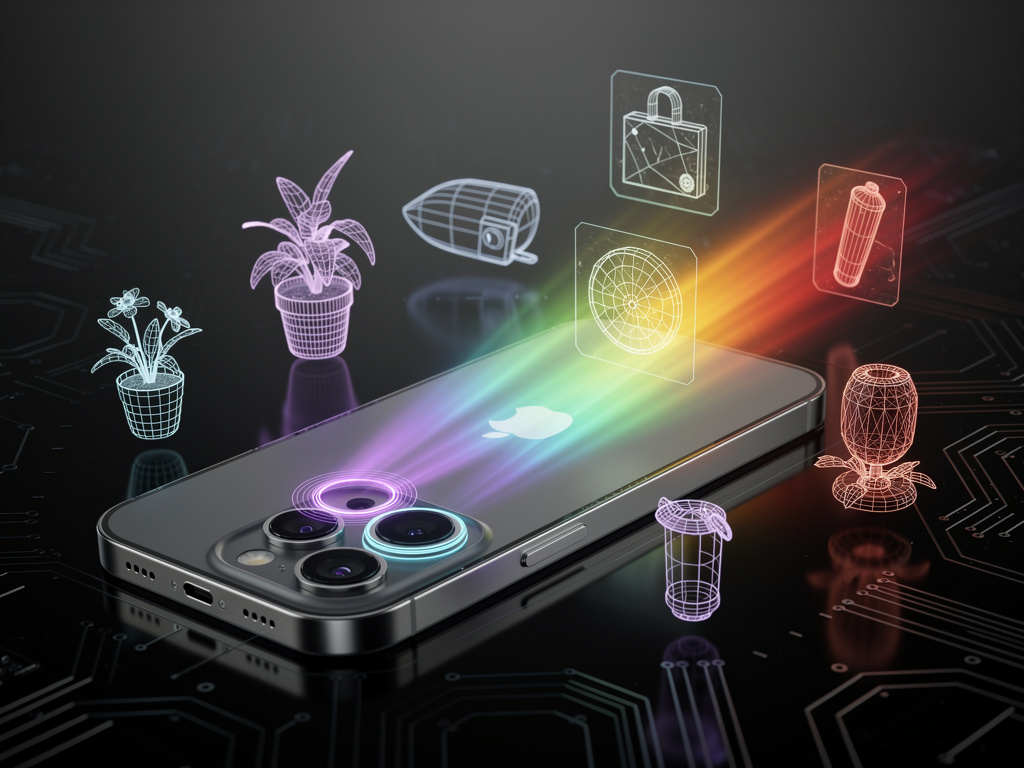
Apple Inc. has long dominated the smartphone camera arena with innovations that blend hardware prowess and computational wizardry, but a fresh rumor suggests the company is eyeing a transformative upgrade. According to a post from prominent Weibo leaker Digital Chat Station, Apple is in the early stages of exploring multispectral imaging technology for its upcoming iPhone models. This development, if realized, could extend the capabilities of iPhone cameras far beyond capturing visible light, potentially unlocking new dimensions in photography, augmented reality, and artificial intelligence-driven features.
Multispectral imaging involves sensors that detect light across a broader range of wavelengths, including infrared and ultraviolet bands that standard RGB cameras ignore. This isn’t just about sharper photos; it’s about gathering data invisible to the human eye, such as material compositions or subtle environmental details. Sources indicate that Apple hasn’t yet begun formal testing, but the evaluation phase points to integration in devices post-2026, aligning with the company’s pattern of methodical advancements.
The leak, first highlighted in a report by 9to5Mac, draws from supply chain whispers in China, where much of Apple’s hardware innovation brews. Industry insiders speculate this could enhance Apple’s Visual Intelligence suite, introduced in recent iOS updates, by providing richer data for machine learning algorithms to process scenes more accurately.
Unlocking Invisible Worlds
In traditional smartphone photography, cameras rely on red, green, and blue channels to mimic human vision. Multispectral sensors, however, slice the electromagnetic spectrum into multiple bands, capturing nuances like heat signatures or chemical properties. For iPhone users, this might translate to portraits that automatically adjust for skin tones under varying lighting or augmented reality apps that identify objects with unprecedented precision.
Apple’s interest isn’t isolated. Competitors like Samsung and Google have dabbled in advanced sensor tech, but Apple’s approach could tie multispectral data directly into its ecosystem. A report from MacRumors notes that this technology could improve material detection, allowing the camera to distinguish between fabrics, metals, or even counterfeit items—features that might appeal to both consumers and enterprise users.
Moreover, integrating this with Apple Intelligence could supercharge features like object recognition in photos or real-time environmental analysis. Imagine an iPhone that scans produce for freshness in a grocery store or assists in medical diagnostics by detecting skin anomalies, though such applications would require rigorous privacy safeguards, a cornerstone of Apple’s brand.
Supply Chain Signals and Timeline
The rumor originates from Digital Chat Station, a leaker with a track record of accurate predictions on Apple hardware, such as camera sensor upgrades in prior models. Posts on X (formerly Twitter) from users like tech analysts echo this buzz, with discussions heating up around potential 2026 or 2027 launches. One X post from a reliable tech account highlighted how this fits into Apple’s broader camera evolution, including variable apertures rumored for the iPhone 18 series.
According to details in a piece by AppleInsider, the technology is still in the conceptual phase, with no prototypes confirmed. This aligns with Apple’s secretive R&D process, where ideas percolate for years before debuting. For context, Apple’s shift to periscope lenses in the iPhone 15 Pro took similar gestation, emerging from supply chain partnerships in Asia.
Timeline-wise, industry watchers point to 2027 as a plausible debut, coinciding with Apple’s push for slimmer designs and higher-megapixel sensors. A separate report from India Today suggests Apple is developing a 200-megapixel sensor for 2028, which could complement multispectral tech by providing the resolution needed to handle expanded spectral data without sacrificing image quality.
Technical Hurdles and Innovations
Implementing multispectral cameras isn’t straightforward. Sensors must be miniaturized to fit iPhone’s sleek form factor, and processing the additional data demands more powerful chips—likely evolutions of the A-series or M-series processors. Power consumption is another challenge; capturing extra wavelengths could drain batteries faster, prompting Apple to optimize with custom silicon.
From a software perspective, this tech could revolutionize computational photography. As noted in coverage by MacDailyNews, multispectral data might enable advanced noise reduction in low-light scenarios or hyper-accurate color reproduction, surpassing current Night mode capabilities. Apple’s history with LiDAR scanners in Pro models sets a precedent, where depth-sensing tech enhanced AR and portrait effects.
Furthermore, X posts from tech enthusiasts speculate on creative uses, such as enhanced astrophotography that captures nebulae in infrared or environmental apps that detect pollution levels. While these ideas stem from public sentiment rather than confirmed plans, they underscore the excitement building in online communities.
Competitive Pressures and Market Impact
Apple doesn’t innovate in a vacuum. Huawei and other Chinese manufacturers have already deployed multispectral sensors in devices like the Pura 70 series, using them for health monitoring and improved imaging. Apple’s entry could escalate this arms race, pushing the industry toward more sophisticated camera systems.
A forum discussion on MacRumors Forums reveals user enthusiasm mixed with skepticism, with some questioning if this is mere hype. Yet, for industry insiders, the real value lies in ecosystem integration—pairing multispectral cameras with Apple Watch for health insights or HomeKit for smart home automation.
Market analysts predict this could bolster iPhone sales in a maturing market, where camera upgrades drive upgrades. With global smartphone shipments stabilizing, features like these differentiate premium devices, potentially justifying higher price points for Pro models.
Privacy and Ethical Considerations
As with any data-rich technology, privacy looms large. Multispectral imaging collects information beyond what’s visible, raising questions about consent and data usage. Apple, known for its “privacy is a human right” stance, would likely implement on-device processing to minimize cloud vulnerabilities, much like Face ID.
Ethical debates on X highlight concerns over surveillance potential, with users drawing parallels to facial recognition controversies. Apple might mitigate this by limiting features to opt-in modes or partnering with regulators for guidelines.
In broader terms, this push reflects Apple’s strategy to future-proof its devices amid AI advancements. By embedding such sensors, iPhones could become indispensable tools for professionals in fields like agriculture, where multispectral imaging assesses crop health, or forensics, for evidence analysis.
Ecosystem Synergies and Future Visions
Tying into Apple’s wider portfolio, multispectral cameras could enhance Vision Pro headsets, creating seamless AR experiences across devices. Imagine scanning a room with your iPhone to generate hyper-realistic 3D models for virtual reality— a synergy that strengthens Apple’s walled garden.
Supply chain insights from iPhone in Canada suggest collaborations with sensor giants like Sony or Samsung, accelerating development. This mirrors past partnerships that birthed features like Ceramic Shield.
Looking ahead, if Apple succeeds, multispectral tech could redefine mobile imaging, much like the iPhone’s original camera disrupted point-and-shoots. Industry observers on platforms like X are abuzz with predictions, from improved accessibility features for the visually impaired to novel gaming applications.
Challenges in Adoption and Refinement
Not all paths are smooth. Cost is a factor; advanced sensors could inflate production expenses, passed on to consumers. Apple must balance this with affordability, especially in emerging markets where iPhone penetration is growing.
Refinement will involve iterative testing, potentially delaying rollout. As per details in StartupNews.fyi, early evaluations focus on image processing boosts, ensuring the tech doesn’t overwhelm users with complexity.
Ultimately, this exploration signals Apple’s commitment to pushing boundaries, blending hardware innovation with software smarts to maintain its edge in a crowded field.
Broader Implications for Tech Evolution
For industry insiders, the bigger picture involves how multispectral imaging fits into the trajectory of sensor technology. Apple’s in-house developments, including rumored 100-megapixel sensors with LOFIC tech as mentioned in X posts from tech leakers, indicate a shift toward self-reliance.
This could disrupt suppliers, forcing them to innovate or lose ground. Competitors might accelerate their own multispectral efforts, fostering a wave of advancements across the sector.
In the end, while the rumor is nascent, it encapsulates Apple’s methodical approach: evaluate, iterate, and integrate to deliver features that feel revolutionary yet intuitive. As more details emerge, the tech world watches closely, anticipating how this spectral leap might reshape our interaction with the world through our pockets.


 WebProNews is an iEntry Publication