
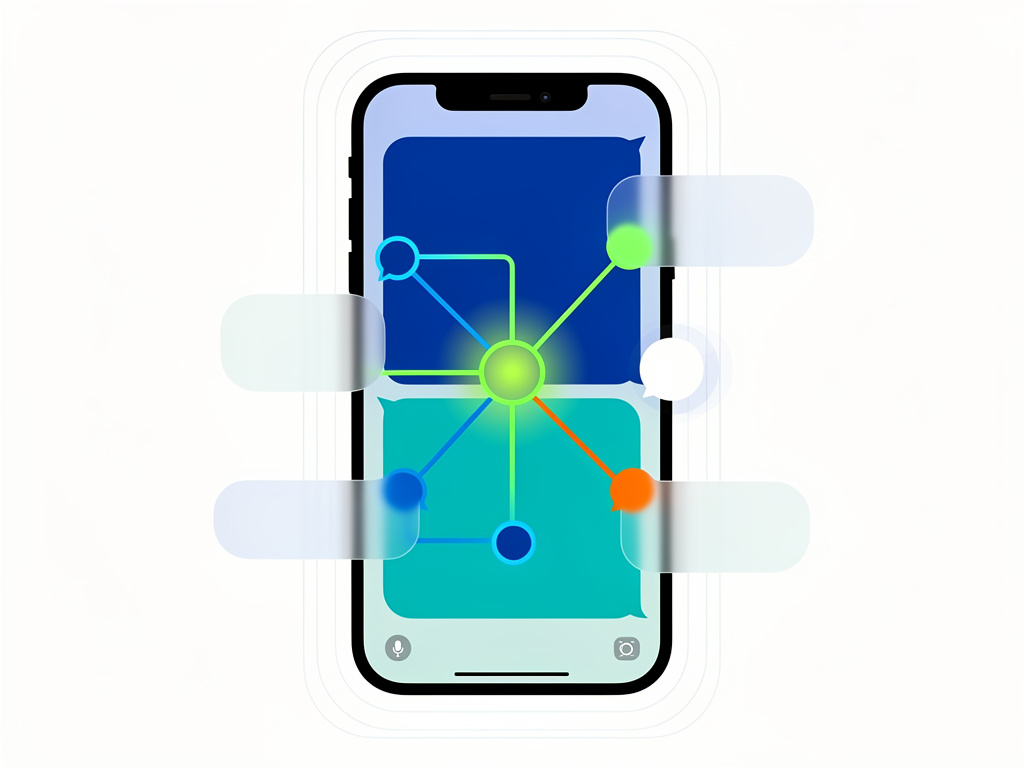
Apple just let an outside company place an AI agent directly inside the Messages app on millions of iPhones. The move marks a quiet but significant opening in a platform long closed to autonomous software actors. Poke, a Palo Alto startup, became the first such agent approved to operate as a contact within iMessage. Users simply text it like any friend. No separate app download required. No extra login screen.
Announced today, the integration arrives after months of internal Apple work to adapt its rules for this new class of software. 9to5Mac first reported the approval. The development builds on earlier signals. In May, MacRumors covered Apple’s plans to redesign parts of the App Store and related systems to accommodate AI agents while preserving its strict privacy and security standards. Those efforts, drawn from sources close to the company, highlighted the tension. Agents can act on behalf of users. They book appointments, summarize documents, even complete purchases. Such power demands new guardrails.
But the barriers are falling. Poke’s arrival shows Apple found a path through its Business Chat framework, long used by brands for customer service. Now an AI steps into that slot. Send a message to the Poke contact. Ask it to check flight prices. Request a recipe adjusted for dietary needs. Or have it draft an email based on your last three exchanges. The agent responds in the same thread. Rich bubbles, images, buttons all appear naturally in the conversation flow.
This isn’t Apple’s own Apple Intelligence talking. Those on-device models still handle writing tools, notification summaries and image generation inside Messages. The new agent comes from outside developers. It likely taps cloud models for heavier tasks. Yet it operates with Apple’s blessing inside the native messaging environment. The distinction matters. Users stay inside one app. They avoid context switches that break focus.
And focus is the point. Industry watchers have tracked the rise of agentic systems for months. Earlier reports from TechCrunch in April described Poke’s initial approach. The startup built its service around messaging platforms from the start. No standalone app. Just a phone number that becomes a contact. That design choice proved smart. Apple noticed. Approval followed.
Developers see opportunity. For years third-party Siri integrations felt limited. Apps could expose certain intents. Agents promise more. They maintain state across conversations. They call APIs on the user’s behalf after receiving permission. They remember preferences without constant re-explanation. Poke’s team celebrated the milestone on X today. “History in the making,” one executive posted alongside a demo video showing fluid back-and-forth with the agent.
Yet questions linger. How deeply can these agents reach into other iPhone data? Apple has drawn firm lines so far. Third-party chatbots integrated with Siri cannot freely access emails or photos. The new agent framework appears more capable but still sandboxed. Sources in the May reports stressed ongoing work to prevent rogue behavior. One worry involved agents deleting files or making unauthorized transactions. Apple aims to avoid those headlines.
The timing feels deliberate. Apple Intelligence matured across iOS releases since its 2024 debut. On-device models improved. Private Cloud Compute offered a middle ground for complex queries. Now the company opens the door wider. Not to every developer at once. A single approval first. Others will follow if the experiment succeeds. The strategy echoes past moves. Apple tested Apple Pay with select partners before broader rollout. It did the same with custom app icons and home screen changes.
Competitors watch closely. Google has pushed agent-like features in Android and Gemini. OpenAI builds toward autonomous assistants. Meta once explored similar messaging integrations before tightening rules on third-party bots in WhatsApp. Apple’s approach stands apart. It insists on control. Every agent must meet review standards. Data flows stay encrypted. User consent remains explicit.
Early tests shared on X show promise. One user asked Poke to plan a weekend trip. The agent returned options, checked availability through partner services, and presented calendar slots. All without leaving the Messages thread. Another had it analyze a photo of a receipt and add the expense to a budgeting tool. Results arrived formatted as interactive cards.
Privacy advocates raise fair concerns. Even with Apple’s oversight, an always-available agent could collect conversation history over time. The company says it audits these integrations. Limits exist on what data leaves the device. Details remain sparse. Future updates may clarify exactly how much visibility these agents gain.
For enterprise users the potential runs deeper. Business Chat already connects companies to customers. Add AI agents and support becomes proactive. An agent could follow up on open tickets, suggest solutions based on order history, and escalate only when needed. Small businesses might deploy their own specialized agents. A law firm could offer a client intake agent. A retailer could run a personal shopper inside text messages.
Apple’s Foundation Models framework, updated in recent years, gives developers hooks into on-device intelligence. Third-party apps already tap Writing Tools. The agent layer extends that philosophy. It treats intelligence as a platform service rather than a single product. Siri evolves alongside these new actors. The assistant might hand off complex multi-step tasks to a specialized agent.
Not every user will rush to add AI contacts. Many prefer keeping messaging simple. Family threads and group chats dominate daily use. Yet for power users and professionals the addition feels meaningful. It reduces friction. Tasks that once required copying text between apps now happen in place. That convenience compounds.
Analysts expect more announcements soon. WWDC 2026 looms. Developers anticipate expanded APIs for agent capabilities. Apple may reveal how it plans to scale approvals without compromising quality. A certification process could emerge. Or tighter integration with Apple Intelligence for hybrid on-device and cloud execution.
Poke itself raised significant funding earlier. Reports pegged its valuation above $100 million. The team focused exclusively on messaging as the interface. Their bet paid off. Being first grants advantage. Users discover the concept through an approved channel. Trust transfers from Apple to the new contact.
Look further out and the pattern clarifies. Computing shifts toward delegation. People want software that does work, not just answers questions. Agents fill that role. They act with permission. They learn from interaction. They operate where attention already lives. Messages on the iPhone qualifies as prime real estate.
Apple moves cautiously. It always has. Yet the approval of this first agent signals acceptance. The walls around iMessage are not coming down. They are being fitted with gates. Controlled. Reviewed. Monitored. The experiment begins now. Its success will determine how many more agents join the conversation.


 WebProNews is an iEntry Publication