
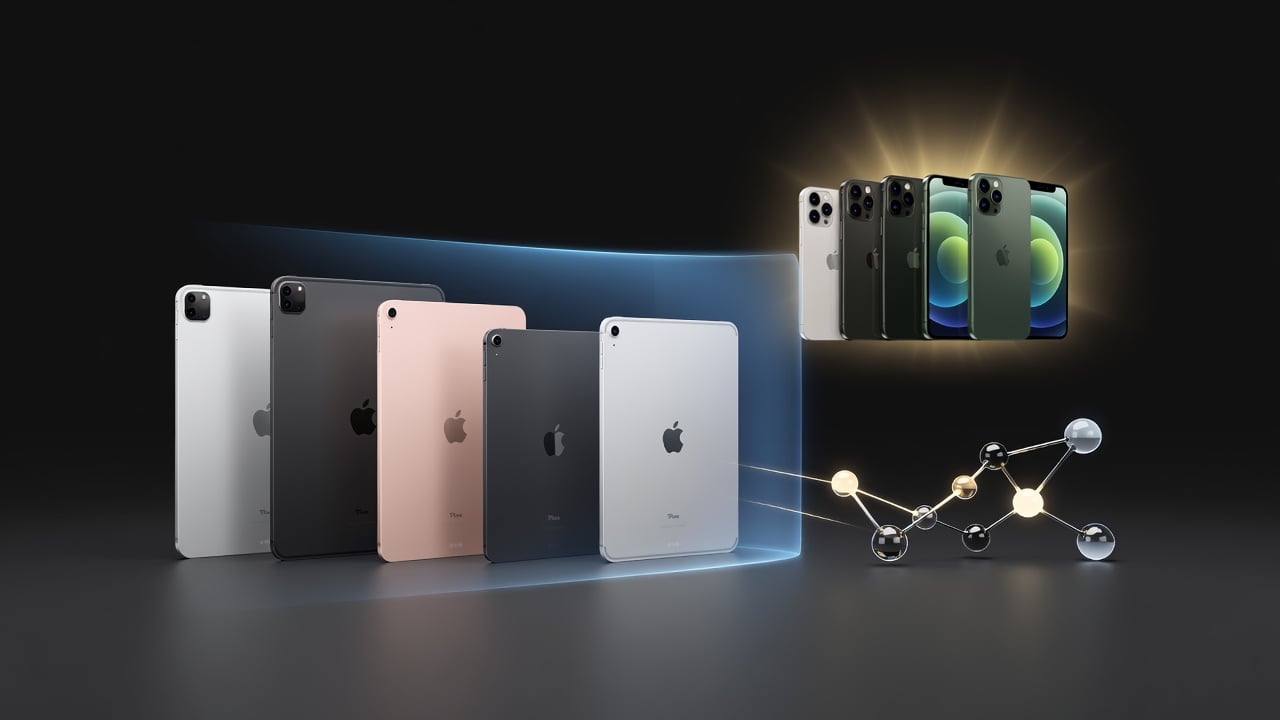
Apple just drew a firmer line than many expected. With the arrival of iPadOS 27, five capable tablet models from the recent past lose all access to new features and optimizations. Owners of the 2018 iPad Pro models, the 2019 iPad Air and iPad mini, and the 2020 base iPad now face a permanent stop at iPadOS 26.
Short list. Long frustration.
The devices in question share one trait: chips from the A12 family. That includes the A12 Bionic in the iPad (8th generation), iPad Air (3rd generation), and iPad mini (5th generation), plus the A12X in the iPad Pro 11-inch (1st generation) and iPad Pro 12.9-inch (3rd generation). Apple raised the minimum requirement to A14, M1, or newer silicon. The decision cuts deeper than last year’s update.
MacRumors reported that iPadOS 27 drops more models than iPadOS 26 did. The prior release only removed the seventh-generation iPad. This time the list grew. Support now starts with the ninth-generation iPad, the sixth-generation iPad mini, the fourth-generation iPad Air, the second-generation 11-inch iPad Pro, and the fourth-generation 12.9-inch iPad Pro. Later M-series models and the newest A-series variants round out the roster.
But these five excluded tablets still work well for many tasks. They run demanding apps. They pair smoothly with Apple Pencil. Some even handle external displays in limited ways. Yet they receive no path to the performance gains, interface refinements, or AI enhancements promised in iPadOS 27. And that stings.
Consider the timeline. The 2018 iPad Pro models launched with the A12X Bionic and 6GB of RAM in most configurations. They introduced USB-C, edged displays, and Face ID to the lineup. Six or seven years of major updates followed. That span once seemed generous. Today it feels abrupt when compared to iPhone support.
BGR noted the contrast. Apple kept the 2019 iPhone 11 series, built on the A13 Bionic, on the iOS 27 compatibility list. The iPads with the previous-generation A12 chip did not get the same treatment. The gap raises questions about consistency. Why does a 2019 phone earn another year while a 2019 tablet does not?
Hardware demands explain part of the story. New windowing behaviors, enhanced multitasking, and on-device AI processing require more memory and faster graphics. The dropped models typically carry 3GB or 4GB of RAM. Newer iPads start at 6GB or 8GB and climb higher. Apple likely judged that delivering a smooth experience across the board would demand too many compromises.
Even so, the base iPad 8th generation and iPad mini 5th generation remain popular devices. Schools bought them in volume. Families handed them down. Professionals used them as secondary machines. Many still run without major complaints on iPadOS 26. The new OS promises to make compatible devices feel faster in dozens of small ways. Those left behind miss out entirely.
Recent online discussion shows the disappointment. On X, users posted side-by-side lists of supported and unsupported models. One thread tallied the exact cutoffs and asked whether owners planned to upgrade or simply stay put. Another highlighted that the M1 iPad Air receives support while certain older Pro models do not, though clarification followed that the M1 Air falls under the fourth-generation Air threshold.
Apple has reversed course before. In 2022 the company first limited Stage Manager to M1 iPads. After feedback it extended the feature, with restrictions, to the 2018 and 2020 Pro models. That precedent gives some owners faint hope. Yet the company shows no sign of repeating the move here. Beta downloads briefly referenced older Pro restore images before Apple removed them, according to follow-up reporting.
Security updates offer a partial lifeline. Apple continues to patch older iPadOS versions for devices that no longer receive feature updates. The company released iPadOS 18.7.9 security patches alongside newer builds just weeks ago. So the hardware will not become instantly vulnerable. But the experience will age. Interface elements stay frozen. New privacy tools never arrive. App developers eventually drop support for the older baseline.
One proposal circulating among analysts and enthusiasts suggests Apple allow signed downgrades back to iPadOS 26 or even earlier stable releases that feel snappier on limited hardware. The company currently stops signing older builds to steer users toward the latest version. That policy makes sense for security. It feels less logical when the newest OS simply cannot run on the device.
Owners of these iPads face practical choices. Trade in for a supported model and absorb the cost. Keep using the current software and accept that new apps and services may degrade over time. Or sideload tweaks and accept the risks. None of those options matches the long support cycle many believed they purchased.
The broader pattern matters. Apple sells iPads as durable, long-lasting computers. Marketing highlights their role in education, creative work, and everyday productivity. When support ends sooner than expected, that promise frays. The five models represent millions of units sold. Their users form a sizable group now left watching from the sidelines.
Performance data from earlier releases offers context. Devices with A12 chips handled iPadOS 26 adequately for most users. Benchmarks showed they could still edit 4K video, run pro apps, and manage dozens of browser tabs. The jump to iPadOS 27 likely brings under-the-hood improvements in memory management, GPU scheduling, and neural engine access. Those gains stay out of reach.
Apple has not issued a detailed explanation for the exact cutoff. Official compatibility charts simply list the supported hardware. Company executives rarely address individual model decisions in public. The silence leaves room for speculation. Perhaps the engineering team determined that certain new animations or background processes would cause noticeable lag or battery drain on older silicon. Or perhaps the focus shifted entirely toward devices that can fully exploit upcoming AI capabilities.
Those AI features carry their own requirements. Some demand at least 8GB of RAM and an M-series chip. Others need 12GB and the latest M4 or M5 processors. The split creates tiers even among supported devices. An M4 iPad Pro with 8GB of RAM may run the OS but miss the most demanding on-device intelligence tools. The dropped A12 models sit entirely outside that conversation.
Industry observers watch how long Apple sustains older product lines. Samsung now advertises seven years of updates for flagship phones. Google matches that for its Pixel devices. Apple has historically offered strong but undocumented support windows. The iPadOS 27 cutoff trims the tail more aggressively than recent iPhone releases.
For now the five models sit on iPadOS 26. Their owners can continue daily work. But the gap will widen. New creative apps, productivity enhancements, and system-level improvements will target the newer hardware. Over time the older tablets will feel increasingly like legacy devices.
Some users already report testing workarounds or waiting to see if public pressure changes anything before the final release. Others plan upgrades to the latest iPad Air or Pro. The decision Apple made reveals priorities. Faster progress for the latest hardware sometimes means leaving yesterday’s flagship behind sooner than owners expected.
And the conversation continues. Forums fill with threads comparing real-world battery life and speed on iPadOS 26 versus what the new OS delivers on supported models. The gap appears real. Whether Apple owes these users one more update remains a matter of debate. The hardware still has life. The software no longer will grow with it.


 WebProNews is an iEntry Publication