
Apple has taken a firm stance on the boundaries of its voice assistant, emphasizing that Siri functions primarily as a tool rather than a digital companion. This position comes amid growing discussions about artificial intelligence and its potential role in human emotional lives. According to a report from Mashable, the company explicitly designed Siri to avoid forming relationships or providing companionship, a decision that sets it apart from several competitors in the AI space.
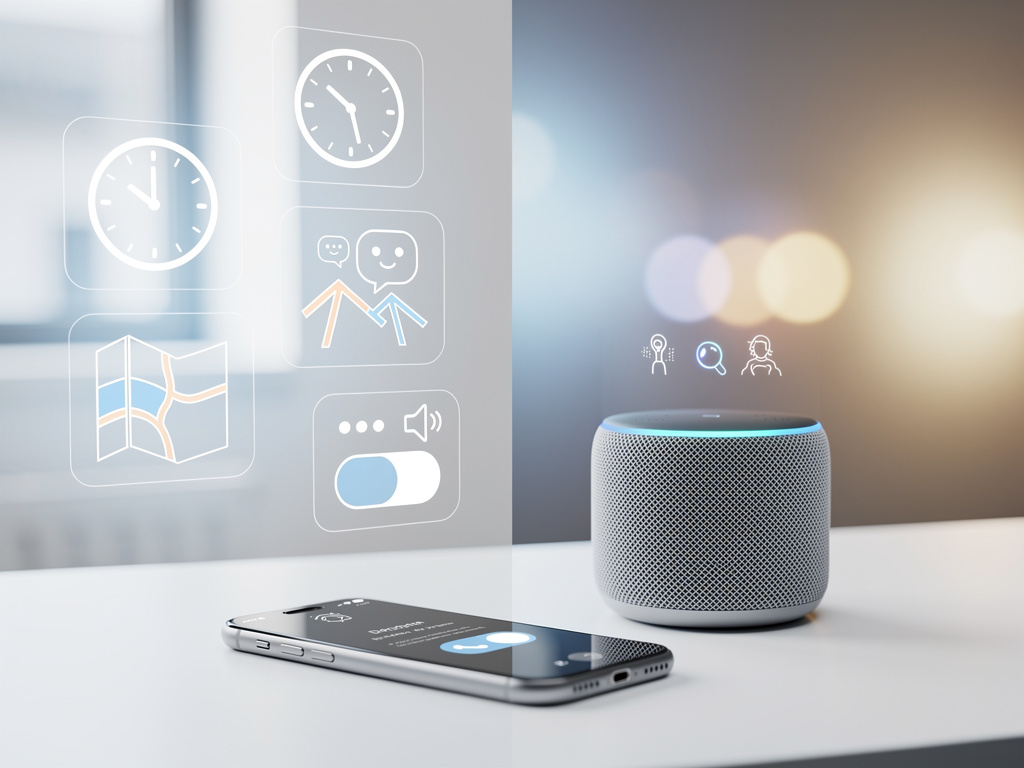
The technology giant maintains that Siri exists to handle practical tasks like setting reminders, answering factual questions, controlling smart home devices, and offering directions. Apple engineers have built the system with clear limitations around emotional support or ongoing personal dialogue that might mimic friendship. This approach reflects a deliberate philosophy about what voice assistants should and should not do. Company representatives have stated that users should not turn to Siri for therapy, emotional validation, or long-term conversational bonds.
This perspective contrasts sharply with other AI developers who have embraced the companion model. Companies like Replika and Pi from Inflection AI market their products specifically as emotional support systems or digital friends. Even some larger players have experimented with more relational features. Google’s Gemini and OpenAI’s ChatGPT have demonstrated capabilities for extended, empathetic conversations that can feel remarkably human. These systems often remember past interactions, adapt to user preferences, and respond with what appears to be genuine care.
Apple’s resistance to this trend stems from several concerns. Company leaders worry about the psychological impact of users forming attachments to artificial systems. They point to research suggesting that excessive reliance on AI companions might reduce real-world social connections or create unrealistic expectations about relationships. Privacy considerations also play a major role. An AI that engages in deep personal conversations necessarily collects sensitive information about users’ feelings, struggles, and private thoughts. Apple has built its reputation on protecting user data, and expanding Siri into emotional territory would require fundamentally different data handling practices.
The decision also reflects Apple’s broader approach to artificial intelligence. While the company has invested heavily in machine learning for features like photo recognition, voice synthesis, and predictive text, it has moved more cautiously than competitors on generative AI. Recent announcements about Apple Intelligence focused on practical applications that enhance existing products rather than creating new categories of AI companions. Features like improved writing tools, image generation within strict guidelines, and better notification summaries all serve productivity and creativity rather than emotional needs.
Industry observers suggest Apple’s position may protect the company from potential legal and regulatory challenges. As AI companions grow more sophisticated, questions about liability emerge. If a user experiences emotional distress after interacting with an AI system, who bears responsibility? What happens if vulnerable individuals, particularly teenagers or people with mental health conditions, develop unhealthy dependencies? By clearly defining Siri as a task-oriented assistant, Apple reduces its exposure to these complicated issues.
Users have occasionally tried to push Siri beyond its intended capabilities. Some have engaged the assistant in long conversations about their problems, seeking advice or simply wanting someone to listen. Siri typically responds with polite but firm redirects, suggesting professional help when conversations turn toward serious mental health topics. The assistant might recommend contacting friends, family members, or mental health resources rather than continuing the dialogue itself.
This approach has drawn both praise and criticism. Supporters argue that Apple shows wisdom by refusing to pretend that a computer program can replace human connection. They contend that true companionship requires shared experiences, genuine emotions, and mutual vulnerability that software simply cannot provide. Critics counter that many people lack access to quality human support and that well-designed AI companions could fill important gaps. They point to elderly individuals living alone, people with social anxiety, or those in remote locations who might benefit from consistent, non-judgmental conversation partners.
The debate touches on fundamental questions about loneliness in modern society. Studies consistently show increasing rates of isolation across many demographics. Young adults report fewer close friendships than previous generations. Remote work has reduced casual office interactions. Digital entertainment options allow people to spend entire evenings without speaking to another human being. In this context, some technologists see AI companions as a potential solution while others view them as a symptom of deeper social problems.
Apple’s hardware strategy further reinforces its position on Siri. The company has invested in devices like the HomePod that integrate the assistant into living spaces for music, smart home control, and information. These products emphasize convenience and entertainment rather than personal connection. The recent introduction of Apple Intelligence across iPhones, iPads, and Macs follows similar patterns, focusing on writing assistance, image creation, and notification management rather than chat-based relationships.
Technical limitations also influence Apple’s choices. Creating convincing AI companions requires massive language models trained on enormous datasets. These systems demand significant computing power, which creates challenges for devices with limited processing capabilities and battery life. Apple has traditionally prioritized on-device processing to protect privacy and reduce latency. Running sophisticated emotional intelligence models locally presents substantial obstacles that cloud-based competitors can more easily overcome.
Despite these constraints, Apple continues advancing Siri’s capabilities within its chosen parameters. The assistant has grown more natural in its speech patterns and better at understanding context. Integration with other Apple services allows for more helpful responses across calendars, messages, and productivity applications. Future updates will likely focus on accuracy, reliability, and useful features rather than personality development or emotional intelligence.
The company’s stance may evolve as technology advances and societal needs change. Apple has modified positions on other issues when evidence mounted or user demands grew strong enough. For now, though, the message remains clear: Siri helps you accomplish tasks and access information, but it will not be your friend. The company directs users toward human connections for emotional support while positioning its products as enhancers of real-world relationships rather than replacements for them.
This philosophy aligns with Apple’s historical approach to technology. The company has often chosen restraint over innovation when it comes to features that might affect users’ psychological wellbeing. From limiting social media notifications to designing screen time tools, Apple has positioned itself as a thoughtful steward of technology rather than an unchecked accelerator of every possible capability.
Competitors face different pressures. Startups building AI companions must demonstrate engaging personalities to attract users and investment. Larger tech firms experimenting with relational AI seek to increase user engagement time and collect valuable preference data. Apple’s established brand and massive installed base give it more freedom to set boundaries that prioritize long-term user health over short-term engagement metrics.
As artificial intelligence grows more capable, these questions about appropriate use cases will only become more pressing. Should AI systems be allowed to tell users they care about them? Can a machine ethically provide therapy-like conversations? Where should society draw lines between helpful tools and emotional surrogates? Apple’s current answers to these questions reflect a conservative approach that emphasizes human relationships while using technology to handle practical matters.
The company continues monitoring developments in AI companionship while gathering feedback from users and experts. Its decisions will likely influence industry standards and regulatory approaches as governments worldwide examine the psychological impacts of advanced AI systems. For users seeking both technological assistance and human connection, the message from Cupertino remains consistent: technology should support your life, not substitute for the people in it. Siri stands ready to help with countless daily tasks, but when it comes to matters of the heart, Apple believes those conversations belong with fellow humans.
This position may face challenges as younger generations grow up with AI systems that feel increasingly personal. Children who interact with voice assistants from early ages might develop different expectations about technology’s role in their emotional lives. Adults facing persistent loneliness might push for more empathetic features regardless of corporate guidelines. The tension between technological possibility and philosophical boundaries will likely define much of the next phase in voice assistant development.
Apple’s firm boundaries around Siri represent more than a product decision. They reflect a broader vision about technology’s place in human experience. By refusing to position Siri as a companion, the company acknowledges both the current limitations of artificial intelligence and the irreplaceable value of genuine human connection. This stance may prove prescient as society grapples with the psychological consequences of increasingly sophisticated AI systems that can simulate care, empathy, and friendship without actually feeling any of those emotions. The coming years will test whether Apple’s approach protects users from potential harm or leaves them seeking connection from systems less concerned with such boundaries.


 WebProNews is an iEntry Publication