
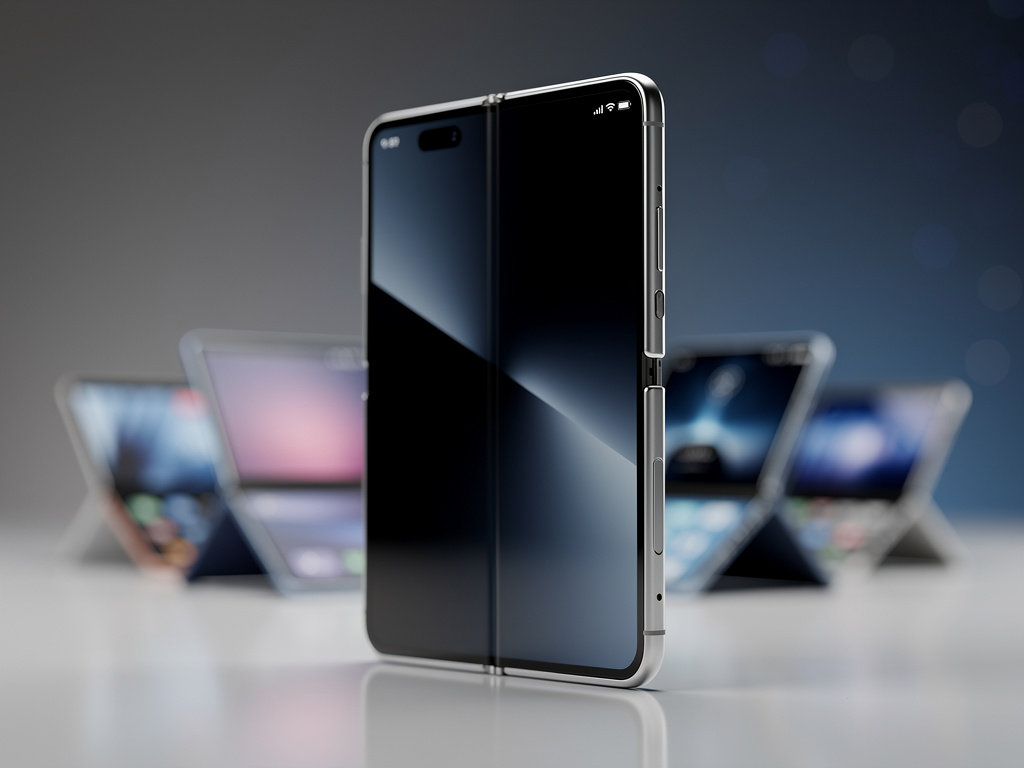
The Foldable Frontier: Apple’s iPhone Gambit Set to Redefine Mobile Innovation
Apple Inc. is poised to enter the foldable smartphone arena with its much-anticipated iPhone Fold, a move that analysts predict will ignite significant growth in this emerging segment. According to a recent report from market research firm IDC, worldwide shipments of foldable smartphones are expected to surge by 30% year-over-year in 2026, largely propelled by Apple’s entry. This projection underscores the tech giant’s potential to transform a niche category into a mainstream phenomenon, much like it did with smartphones through the original iPhone.
The iPhone Fold, rumored to debut in the second half of 2026, is anticipated to capture over 22% of the foldable market share in units and a staggering 34% of the market’s revenue in its inaugural year. Priced at an estimated $2,400 or higher, the device would position itself as a premium offering, outpacing competitors like Samsung’s Galaxy Z Fold series. IDC’s insights, detailed in their latest forecast, highlight how Apple’s brand loyalty and ecosystem integration could accelerate adoption among consumers who have hesitated to embrace foldables due to concerns over durability and price.
Beyond mere numbers, the iPhone Fold represents a strategic pivot for Apple, which has historically been cautious about adopting new form factors. Rumors suggest the device will feature a book-style design with a 7.8-inch inner display and a 5.5-inch outer screen, incorporating advanced technologies like a creaseless display achieved through innovative laser-drilled metal plates. This engineering feat, as reported by various sources, aims to address one of the primary drawbacks of current foldables: the visible crease that mars the user experience.
Rumors and Supply Chain Signals
Supply chain leaks have been building momentum around the iPhone Fold for months. Samsung, a key supplier of display technology, has confirmed plans to produce foldable panels for a major U.S. client, widely believed to be Apple. This development aligns with reports from AppleInsider, which compiled rumors indicating a potential launch in 2026 or 2027, complete with speculative designs featuring titanium bodies and high-resolution cameras.
Analysts like those at JP Morgan have pointed to breakthrough features, including a 24-megapixel under-display camera integrated into the inner screen. Such innovations could set the iPhone Fold apart from rivals, offering seamless video calls and selfies without notches or punch-holes disrupting the expansive display. MacRumors has echoed these sentiments in their coverage, noting that the foldable might launch alongside the iPhone 18 Pro models in fall 2026.
Public sentiment on social platforms reflects growing excitement. Posts on X, formerly Twitter, from tech enthusiasts and analysts describe the iPhone Fold as a “game-changer,” with one prominent leaker suggesting it could feature a titanium-aluminum frame and skip Face ID in favor of Touch ID due to thickness constraints. These discussions, spanning from early 2025, indicate a buzz that’s been simmering, fueled by Apple’s patents and sporadic leaks.
Market Dynamics and Competitive Pressures
The foldable segment, while growing, remains a small fraction of the overall smartphone market, with shipments projected to reach around 25 million units in 2025 before Apple’s influence kicks in. IDC’s data suggests that without a heavyweight like Apple, growth might stagnate, but the iPhone Fold could catalyze broader interest, particularly in premium price tiers where Apple excels. This entry comes at a time when Samsung dominates with about 60% market share, followed by Huawei and others, but Apple’s ecosystem—encompassing iOS, Apple Services, and seamless integration with devices like the iPad and Mac—could erode that lead.
Pricing will be a critical factor. At $2,400, the iPhone Fold would be Apple’s most expensive smartphone yet, surpassing even the iPhone Ultra variants. A report from CNET emphasizes the premium for its creaseless screen, predicting it could justify the cost through superior build quality and software optimizations. However, this high barrier might limit initial adoption to affluent users, potentially mirroring the slow start of early foldables before prices moderated.
Competitors are already responding. Samsung has iterated on its Z Fold line, improving hinge mechanisms and multitasking software, while Google and others experiment with flip-style foldables. Apple’s delayed entry allows it to learn from these pioneers’ missteps, such as hinge durability issues that plagued early models. Insights from MacRumors suggest Apple has been testing prototypes since at least 2020, refining designs to ensure the reliability consumers expect from the brand.
Technological Innovations Driving the Fold
At the heart of the iPhone Fold’s appeal are its rumored specs, including an A20 Pro chipset and Apple’s in-house C2 modem for enhanced connectivity. The dual 48-megapixel camera system, as speculated in X posts, promises photography prowess on par with flagship iPhones, while the foldable form factor enables unique use cases like hands-free video recording or split-screen productivity. This could appeal to professionals who use their phones as mini-computers.
Software will play a pivotal role. iOS is expected to receive foldable-specific enhancements in version 20 or later, optimizing apps for the larger inner display. Think adaptive interfaces that transform from phone to tablet mode seamlessly, much like Samsung’s One UI but with Apple’s polish. Reports from 9to5Mac indicate Apple is accelerating development, with supply chain activity ramping up for a 2026 rollout.
Durability concerns, a perennial issue for foldables, appear to be addressed head-on. Apple’s pursuit of a creaseless display, as detailed in leaks, involves advanced manufacturing techniques that could minimize wear and tear. This innovation might extend to water resistance and dust protection, areas where current foldables lag behind traditional slabs. Industry watchers on X have praised this as a potential industry first, setting a new standard.
Economic Implications for Apple and Beyond
For Apple, the iPhone Fold isn’t just another product—it’s a hedge against maturing smartphone sales. With global shipments plateauing, foldables offer a path to reinvigorate growth. IDC estimates that Apple’s entry could push overall foldable shipments to over 32 million units in 2026, with the company claiming a disproportionate revenue share due to its pricing power. This aligns with broader trends where premium devices drive profits amid commoditization at lower ends.
The ripple effects extend to suppliers. Companies like Samsung Display and LG could see boosted orders, while component makers for hinges and flexible glass stand to benefit. A piece in The Guardian explores how Apple’s move signals a renaissance in phone design, optimizing for internet-centric lifestyles with larger, versatile screens.
However, challenges loom. Regulatory scrutiny over Apple’s ecosystem practices, particularly in Europe with the Digital Markets Act, could influence how the Fold integrates with services. Additionally, economic factors like inflation and supply chain disruptions might affect production timelines. Despite these, optimism prevails, with X users speculating on features like AI-enhanced multitasking, tying into Apple’s recent pushes in generative AI.
Consumer Adoption and Future Prospects
Adoption hurdles include educating consumers on foldable benefits. Many view them as gimmicks, but Apple’s marketing prowess—think iconic launches—could change that narrative. By positioning the Fold as an evolution of the iPhone, not a separate category, Apple might convert loyalists seeking novelty without sacrificing familiarity.
Looking ahead, the iPhone Fold could pave the way for more ambitious devices, such as larger foldable iPads or even hybrid laptops. Rumors from earlier in 2025, including those on X, hinted at a 20.3-inch foldable device preceding the phone, though focus has shifted. Macgasm has tracked these developments, noting Apple’s patent filings dating back years.
Ultimately, the iPhone Fold’s success hinges on execution. If it delivers on promises of durability, performance, and seamless software, it could redefine mobile computing. As IDC’s senior research director noted in their report, this launch marks a turning point, boosting awareness and interest in foldables. For industry insiders, it’s a reminder of Apple’s enduring ability to innovate and dominate emerging categories, potentially ushering in a new era of flexible, adaptive technology that blends portability with expansive functionality.
In the broader context, Apple’s foray might accelerate R&D across the sector, pushing rivals to innovate faster. While Samsung has led the charge, Apple’s precision could elevate standards, benefiting consumers with better products overall. As supply chains gear up and leaks continue, the anticipation builds for what could be one of the most transformative iPhone releases since the original.


 WebProNews is an iEntry Publication