
From Sleek Smartphones to Sentient Machines: Apple’s iPhone Air Maestro Defects to AI Upstart Hark
In a move that underscores the intensifying competition for top talent in the technology sector, Abidur Chowdhury, the industrial designer credited with shaping Apple’s groundbreaking iPhone Air, has departed the company to join Hark, an emerging artificial intelligence startup. This transition, first hinted at in November 2025 when Chowdhury left Apple, was confirmed in recent reports, revealing his new role as head of design at Hark. The shift highlights a broader pattern of Silicon Valley luminaries migrating from established tech giants to nimble AI ventures, drawn by the promise of pioneering innovations in machine learning and hardware integration.
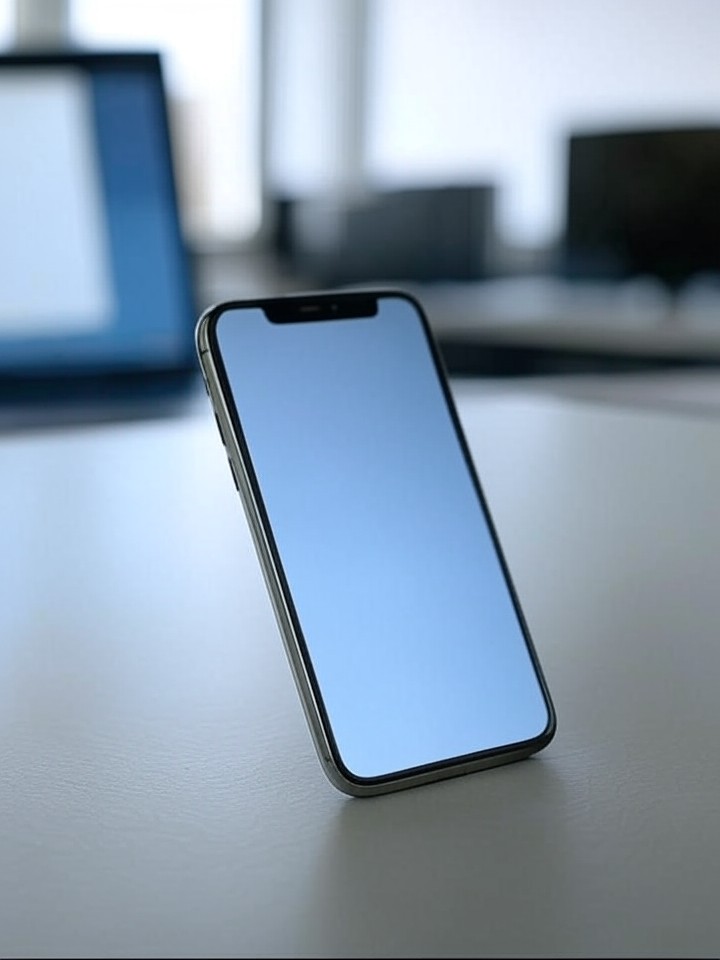
Chowdhury’s contributions to the iPhone Air were pivotal; he not only helped conceptualize its ultra-slim profile and advanced features but also presented the device at Apple’s high-profile September 2025 keynote. His departure comes at a time when Apple is navigating challenges in maintaining its design edge amid rapid advancements in AI. Sources indicate that Chowdhury’s move was motivated by Hark’s ambitious vision to blend AI with consumer hardware, potentially disrupting retail and everyday tech interactions.
The revelation of Chowdhury’s destination was detailed in a 9to5Mac article, which built on earlier Bloomberg reporting. That initial story from Bloomberg noted Chowdhury’s exit to an unnamed AI firm, sparking speculation across tech circles. Now, with the mystery unveiled, industry observers are piecing together what this means for both Apple and the burgeoning AI ecosystem.
The Talent Drain from Tech Titans
Apple’s loss of Chowdhury is part of a larger exodus of key personnel to AI-focused companies. Recent reports, including one from Bloomberg, describe Hark’s aggressive recruitment strategy, which has also netted engineers from Google and Meta. This poaching reflects AI startups’ allure, offering equity stakes and the freedom to explore cutting-edge projects unencumbered by corporate bureaucracy.
Hark, founded by entrepreneur Brett Adcock, is positioning itself as a leader in AI hardware for retail and consumer applications. According to insights from MacObserver, the startup aims to develop intelligent devices that enhance in-store experiences and personalize consumer interactions through advanced AI. Chowdhury’s expertise in elegant, user-centric design is expected to play a crucial role in realizing these goals, potentially leading to products that rival Apple’s in aesthetics and functionality.
Posts on X, formerly Twitter, have buzzed with reactions to the news, with users speculating on the implications for Apple’s innovation pipeline. One prominent tech journalist highlighted the pattern of designers leaving for AI ventures, echoing sentiments from earlier departures like that of Apple’s Safari team members. This social media chatter underscores a growing perception that AI is the new frontier where creative minds can make the most impact.
Chowdhury’s Journey and Design Legacy
Abidur Chowdhury joined Apple several years ago, rising quickly through the ranks to become a key figure in the industrial design team under the guidance of legends like Jony Ive’s successors. His work on the iPhone Air emphasized minimalism and portability, introducing features like a foldable display and enhanced battery life that set new standards for mobile devices. Industry insiders praise his ability to merge form and function, a hallmark of Apple’s design philosophy.
The decision to leave for Hark, as reported in MacDailyNews, may stem from a desire to apply his skills to AI-driven hardware, an area where Apple has been cautious despite its own AI initiatives like Apple Intelligence. Hark’s focus on creating AI tools for practical applications, such as smart retail assistants, offers Chowdhury a canvas to innovate beyond smartphones.
Further details from eWeek suggest that Hark is building a team of over 30 engineers, with Chowdhury at the helm of design. This assembly of talent from Big Tech indicates Hark’s intent to challenge incumbents by developing hardware that integrates seamlessly with AI software, potentially in sectors like e-commerce and personalized computing.
Inside Hark: Vision and Ambitions
Hark AI Lab, though relatively new, has garnered attention for its bold plans. Founded in the wake of the AI boom, the startup is backed by significant venture capital and aims to create devices that anticipate user needs through predictive AI. A piece in Investing.com notes that Chowdhury’s addition strengthens Hark’s push into consumer-facing AI products, possibly including wearables or home assistants enhanced with machine learning.
Comparisons to other AI startups abound, with Hark drawing parallels to companies like OpenAI or Anthropic, but with a hardware twist. Unlike purely software-focused firms, Hark emphasizes tangible products, leveraging talents like Chowdhury’s to ensure usability and appeal. Recent web searches reveal enthusiasm on platforms like X, where users discuss how such moves could accelerate AI adoption in daily life.
Apple’s response to this talent shift remains understated, but internal memos leaked in various reports suggest a renewed focus on retaining designers through incentives and AI-centric projects. However, the company’s historically secretive culture may hinder its ability to compete with the nimble allure of startups like Hark.
Industry Ripples and Future Implications
The broader tech environment is witnessing a surge in AI investments, with startups like Hark attracting top talent by promising groundbreaking work. This trend, as outlined in AppleInsider (noting a slight name variation but aligning with Hark details), points to a reconfiguration of power dynamics, where AI firms challenge traditional hardware giants.
Chowdhury’s move could inspire similar defections, potentially weakening Apple’s design dominance. Analysts speculate that without fresh infusions of talent, Apple might lag in integrating AI into its ecosystem, especially as competitors like Samsung and Google advance their AI offerings. Hark, meanwhile, stands to gain from Chowdhury’s prestige, possibly accelerating its product roadmap.
Social media sentiment on X reflects a mix of excitement and concern; some users laud the innovation potential, while others worry about Apple’s ability to innovate without key creators. This discourse highlights the human element in tech evolution, where individual career choices can sway entire sectors.
Strategic Shifts in Silicon Valley
Delving deeper, Hark’s strategy involves not just hiring stars like Chowdhury but also fostering collaborations with established players. Reports from MacTech.com indicate that the startup is eyeing partnerships in AI hardware, potentially bridging gaps between software algorithms and physical interfaces.
For Apple, this departure exacerbates existing challenges, including regulatory scrutiny and market saturation in smartphones. The company has ramped up its AI efforts, but losing a designer of Chowdhury’s caliber could slow progress on future devices. Industry experts, drawing from Bloomberg’s coverage, predict that AI will increasingly define hardware design, making talents like Chowdhury invaluable.
Looking ahead, Hark’s trajectory with Chowdhury on board might lead to prototypes that redefine user interaction, such as AI-powered gadgets that learn from behavior patterns. This evolution could pressure Apple to accelerate its own innovations, fostering a competitive cycle beneficial to consumers.
Voices from the Field and Broader Trends
Interviews and statements compiled across sources paint a picture of optimism at Hark. Brett Adcock, the founder, has publicly expressed enthusiasm for Chowdhury’s addition, as mentioned in MacObserver’s in-depth piece. This hire is seen as a coup, positioning Hark to attract more funding and talent.
In contrast, Apple’s design team faces morale questions amid multiple exits, including that of a Safari designer noted in MacTech.com. The pattern suggests a need for Apple to reinvent its appeal to creative professionals, perhaps by emphasizing AI in its core products.
Ultimately, Chowdhury’s journey from Apple’s polished campuses to Hark’s dynamic labs encapsulates the shifting priorities in tech, where AI’s potential overshadows even the most iconic brands. As the sector evolves, such transitions will likely continue, driving progress through the cross-pollination of ideas and expertise.
Echoes of Innovation and What’s Next
Reflecting on historical precedents, similar talent migrations have fueled breakthroughs, like the move of engineers from Xerox to Apple in the 1980s. Today, AI represents that transformative force, with Hark poised to capitalize on it.
Web-based discussions and X posts amplify the narrative, with tech enthusiasts debating the long-term effects on product landscapes. For instance, speculation abounds about Hark’s potential to launch AI devices that integrate design elegance with intelligent functionality.
As this story unfolds, industry watchers will monitor how Chowdhury’s influence manifests at Hark and whether Apple can stem the tide of departures. This episode not only spotlights individual ambition but also the relentless march toward an AI-infused future in technology.


 WebProNews is an iEntry Publication