
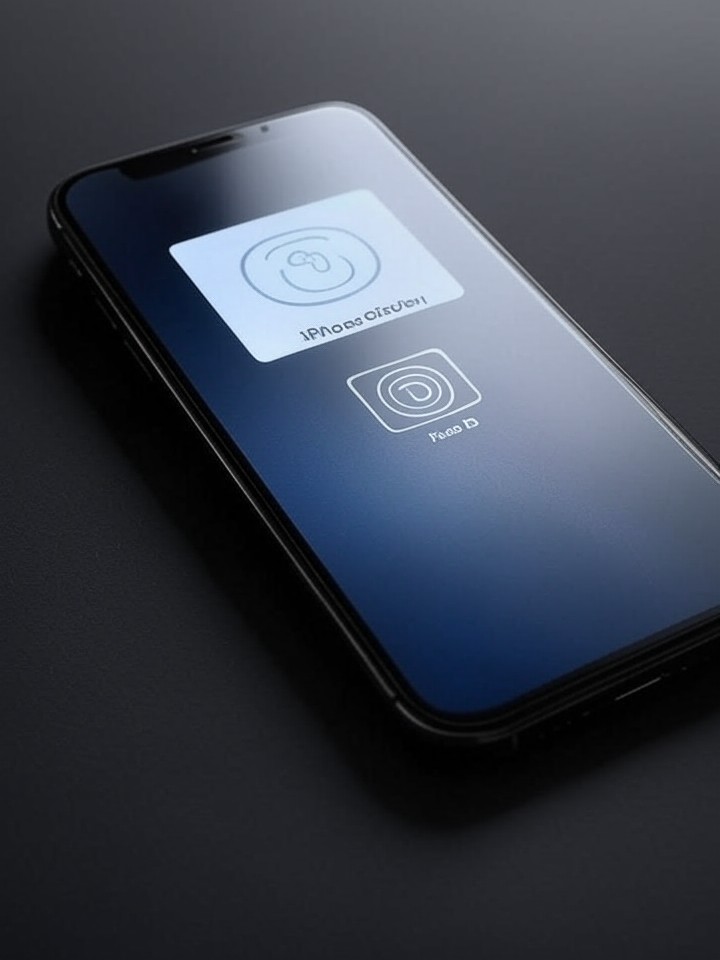
Unlocking the Future: Apple’s Bold Bet on Invisible Biometrics in the iPhone 18 Era
Apple Inc. has long been at the forefront of smartphone innovation, pushing boundaries in design and security. Recent rumors suggest that the company is on the cusp of a significant evolution in its facial recognition technology. According to multiple sources, the iPhone 18 lineup, expected in 2026, could feature Face ID components embedded entirely under the display, potentially bidding farewell to the Dynamic Island—a pill-shaped cutout that has defined iPhone aesthetics since 2022.
This shift represents years of speculation and technological refinement. Industry insiders point to Apple’s persistent efforts to achieve a truly bezel-less screen, where hardware intrusions like notches or islands become relics of the past. The move would not only streamline the device’s appearance but also enhance user immersion, allowing for uninterrupted viewing experiences in apps, videos, and games.
At the heart of these developments is the under-screen Face ID system, which relocates the TrueDepth camera array beneath the OLED panel. This technology has been in the works for some time, with patents and supply chain leaks hinting at Apple’s ambitions. If realized, it could set a new standard for biometric authentication in consumer electronics, blending security with seamless design.
Evolving Display Technologies and Supply Chain Shifts
Apple’s display partners, including Samsung Display and LG Display, have reportedly been testing advanced LTPO OLED panels capable of supporting under-display sensors. These panels maintain high refresh rates—up to 120Hz—while accommodating hidden components without compromising image quality. Sources indicate that the entire iPhone 18 family might adopt these screens, marking a departure from previous models where premium features were reserved for Pro variants.
Conflicting reports have emerged regarding the fate of the Dynamic Island. Some leaks suggest it will be shortened or repositioned, while others predict its complete elimination. For instance, a report from ExtremeTech highlights Apple’s testing of under-screen Face ID, potentially leading to no Dynamic Island at all. This aligns with broader industry trends toward minimalistic front-facing designs.
On social media platform X, formerly Twitter, users and leakers have fueled the discussion. Posts from accounts like AppleLeaker describe a “hole-punch Dynamic Island” for the iPhone 18 Pro, resulting from under-display Face ID. Such sentiments reflect growing excitement and speculation within the tech community, though they remain unverified claims.
The integration of under-screen technology isn’t without challenges. Ensuring that the infrared dot projector, flood illuminator, and front camera function reliably through the display requires breakthroughs in transparency and light transmission. Apple has reportedly invested heavily in R&D to overcome these hurdles, drawing on advancements from competitors who have experimented with similar features in Android devices.
Moreover, the iPhone 18 Pro models are rumored to feature a relocated front camera in the top-left corner, as detailed in a MacRumors article. This repositioning could allow the Dynamic Island to shrink or move, preserving its software functionalities like notifications and live activities in a more compact form.
Supply chain analysts note that Apple’s timeline for this feature has shifted multiple times. Initially slated for earlier models, delays stemmed from technical complexities. Now, with production ramps expected in mid-2026, the company appears poised to deliver.
Implications for User Experience and Security
Beyond aesthetics, under-screen Face ID promises to elevate security protocols. By concealing the sensors, Apple could reduce vulnerabilities associated with physical hardware exposure, though experts caution that software safeguards remain paramount. This evolution builds on Face ID’s debut in the iPhone X, which replaced Touch ID and set a benchmark for biometric accuracy.
Consumers might appreciate the cleaner interface, free from visual distractions. Imagine scrolling through social feeds or watching content without a black bar interrupting the top of the screen. However, the transition could require adjustments to familiar interactions, such as how the Dynamic Island expands for calls or music controls.
Leakers on X have speculated about additional perks, including improved battery life from LTPO+ displays, as mentioned in various posts. These enhancements could make the iPhone 18 a compelling upgrade, especially for professionals relying on extended usage.
Critics argue that removing the Dynamic Island might diminish its utility. Introduced as a clever software-hardware hybrid, it turned a necessary cutout into a functional element. If Apple phases it out, the company must ensure that its replacements maintain or exceed current usability standards.
A Stuff report emphasizes that under-display Face ID has been a longstanding goal, with the iPhone 18 potentially realizing it just months away from launch. This timeline underscores Apple’s methodical approach to innovation.
Furthermore, economic factors play a role. With rising component costs, integrating under-screen tech could justify premium pricing for Pro models, targeting enterprise users and tech enthusiasts who value cutting-edge features.
Competitive Pressures and Market Dynamics
Apple’s pursuit of invisible biometrics occurs amid intense competition. Rivals like Samsung and Google have already implemented under-display fingerprint scanners, though facial recognition lags behind. By advancing Face ID, Apple reinforces its ecosystem’s security edge, potentially deterring switches to Android.
Industry observers, citing a Actualidad iPhone piece, predict the disappearance of the Dynamic Island in Pro models, hidden Face ID enabling a sleeker profile. This could influence accessory makers, from cases to screen protectors, adapting to new designs.
On X, accounts such as MacRumors.com have shared rumors of a smaller Dynamic Island without under-screen Face ID for standard models, highlighting Apple’s tiered strategy. Such differentiation keeps entry-level devices affordable while pushing boundaries in flagships.
The broader tech sector watches closely. If successful, Apple’s implementation could inspire similar adoptions across devices, from tablets to wearables. However, failures in early testing—rumored in supply chain circles—might delay rollout, affecting stock valuations and consumer confidence.
A recent leak from Hindustan Times claims the iPhone 18 Pro will introduce this technology, changing the iPhone paradigm. This echoes sentiments in tech forums, where discussions blend optimism with skepticism.
Additionally, satellite-based 5G and variable-aperture cameras are tipped as companions to the revamped Face ID, per X posts and news outlets, rounding out a feature-rich update.
Technical Hurdles and Innovation Roadmap
Delving deeper, the engineering feats required for under-screen Face ID involve sophisticated materials science. OLED panels must allow infrared light to pass without distorting visuals, a challenge Apple has reportedly addressed through proprietary coatings and sensor miniaturization.
Patents filed by Apple over the years detail methods for embedding optical systems beneath displays, supporting these rumors. Insiders suggest that the A20 Pro chip, built on a 2nm process, will handle the computational demands of enhanced facial mapping.
From a manufacturing perspective, scaling production for millions of units demands precision. Any defects in under-display integration could lead to recalls, a risk Apple mitigates through rigorous testing phases.
Looking ahead, this technology might extend beyond iPhones. Imagine iPads or Macs with seamless facial logins, unifying Apple’s product line. Yet, privacy concerns persist; embedding sensors deeper doesn’t eliminate data collection debates.
A forum discussion on MacRumors Forums debates the Dynamic Island’s future, with users divided on whether its relocation enhances or complicates the user interface.
Moreover, environmental considerations factor in. Thinner, integrated designs could reduce material usage, aligning with Apple’s sustainability goals, though e-waste from upgrades remains an issue.
Consumer Sentiment and Launch Expectations
Public reaction, gauged from X, shows enthusiasm for a notch-free iPhone. Posts from Apple Club envision a “true all-screen iPhone,” with under-display Face ID and corner selfie cameras sparking viral renders.
Analysts predict staggered releases, with Pro models leading the charge, as per The Economic Times. This strategy allows Apple to test market reception before broader adoption.
Bold new colors and larger batteries, rumored alongside, could sweeten the deal, addressing common complaints about stagnation in iPhone iterations.
Skeptics on platforms like X question the timelines, recalling past delays. Yet, credible leakers like Jon Prosser, referenced in multiple sources, lend weight to the claims.
In the enterprise realm, enhanced security could appeal to businesses, bolstering features like secure enclaves for sensitive data.
As 2026 approaches, Apple’s secrecy adds intrigue. While official confirmations are absent, the convergence of leaks paints a picture of transformative change.
Strategic Visions and Long-Term Impacts
Strategically, this move positions Apple as a leader in biometric innovation, potentially influencing standards bodies and regulations. With global privacy laws tightening, seamless yet secure authentication becomes crucial.
Economically, success could boost Apple’s market share, especially in regions favoring advanced tech. Conversely, any shortcomings might invite criticism, amplifying calls for more iterative updates.
Drawing from Business Standard, the iPhone 18 Pro’s revamped Face ID pairs with other upgrades, signaling a holistic refresh.
X users speculate on pricing, with premium features justifying hikes, though affordability remains key for mass appeal.
Ultimately, this development underscores Apple’s philosophy: hardware that fades into the background, letting software shine. If executed flawlessly, it could redefine smartphone interactions for years to come.
The journey to under-screen Face ID, chronicled in outlets like Sportskeeda, highlights a pivotal upgrade akin to past leaps.
Refining the Vision Amid Uncertainties
Uncertainties linger, such as compatibility with accessories or third-party apps optimized for the current Dynamic Island. Developers might need to adapt, ensuring smooth transitions.
From a design standpoint, a corner-placed camera, as leaked in Mint, introduces asymmetry, which Apple traditionally avoids but could embrace for functionality.
X chatter from users like Babji notes reductions in cutout size, attributing it to TrueDepth advancements.
In wrapping up the discourse, the iPhone 18’s potential innovations promise to captivate, blending form and function in Apple’s signature style. As rumors solidify into reality, the tech world awaits with bated breath.
Finally, drawing from the core report on AppleInsider, after years of anticipation, Face ID without the Dynamic Island may indeed arrive, marking a new chapter in iPhone evolution.


 WebProNews is an iEntry Publication