
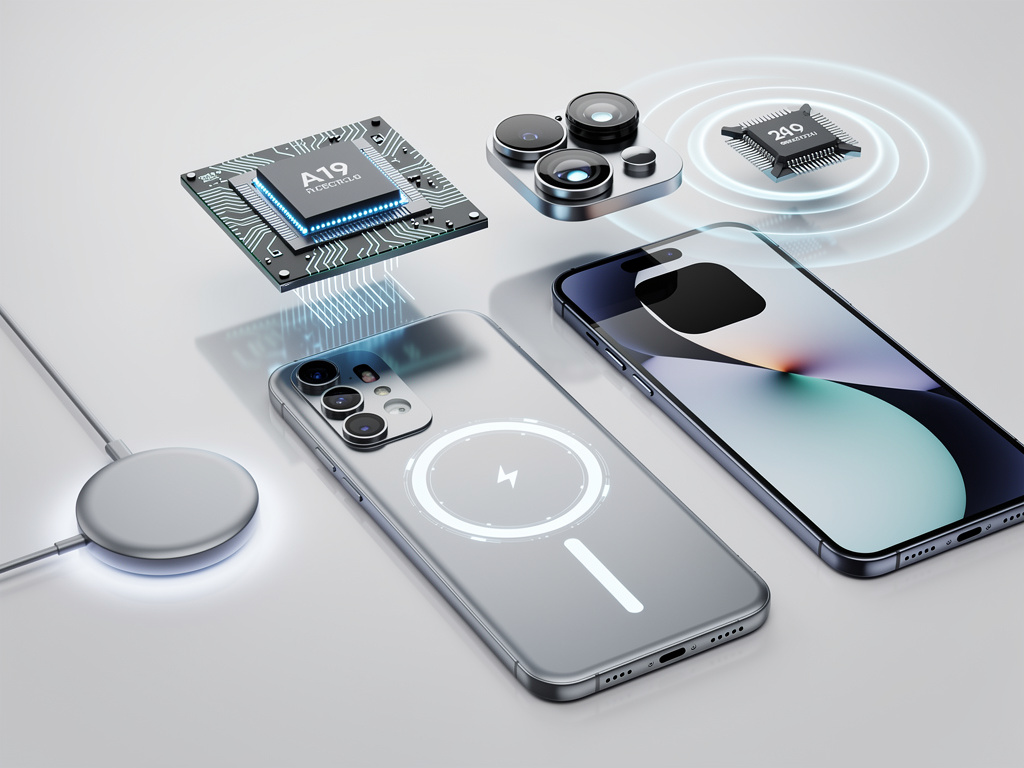
Recharging the Budget iPhone: Inside Apple’s Plan to Magnetize the 17e
Apple’s entry-level iPhone lineup has long served as a gateway for budget-conscious consumers seeking a slice of the premium ecosystem without the full flagship price tag. The iPhone 16e, released earlier this year as a successor to the venerable SE series, brought modern features like a 6.1-inch OLED display and the A18 chip to the masses. Yet, it arrived with notable compromises, chief among them the absence of MagSafe wireless charging—a feature that has become synonymous with convenience in Apple’s higher-end models. Now, whispers from the supply chain and industry analysts suggest the forthcoming iPhone 17e will address this gap, potentially reshaping expectations for affordable smartphones.
Drawing from a recent report by MacRumors, the iPhone 17e is poised to introduce magnetic wireless charging capabilities, likely at speeds up to 20-25W. This upgrade directly tackles one of the iPhone 16e’s most criticized limitations: its reliance on slower Qi-standard charging at just 7.5W, which left users tethered to cables for faster power-ups. The addition of MagSafe isn’t just about speed; it enables a ecosystem of accessories, from wallets to car mounts, that magnetically snap into place, enhancing usability in everyday scenarios.
Beyond charging, the iPhone 17e rumors point to incremental yet meaningful enhancements in performance and design. Leaks indicate an A19 chip, which could bring improved efficiency and support for advanced Apple Intelligence features, building on the foundation laid by the 16e’s A18. This processor upgrade, combined with potential RAM increases, might make the device more adept at handling multitasking and AI-driven tasks, areas where budget models have historically lagged.
Evolution of Entry-Level Design
Industry insiders, including those cited in a Tom’s Guide roundup, speculate that the iPhone 17e will adopt a sleeker aesthetic with slimmer bezels and the Dynamic Island notch, a feature that debuted on pro models and dynamically adapts to notifications and controls. This shift could blur the lines between budget and premium devices, offering a more immersive viewing experience on what is expected to remain a 6.1-inch OLED screen. However, don’t anticipate a jump to higher refresh rates; rumors consistently peg the display at 60Hz, a cost-saving measure that prioritizes battery life over buttery-smooth scrolling.
Camera improvements are another focal point. The iPhone 16e featured a single 48-megapixel rear sensor, which performed admirably but lacked the versatility of multi-lens setups. According to posts on X from tech enthusiasts and leakers, the 17e might enhance this with better front-facing capabilities, possibly a 18MP Center Stage camera that uses AI to keep subjects in frame during video calls. This would address user feedback on the 16e’s older photographic styles and optical image stabilization, which paled in comparison to the sensor-shift tech in flagship models.
Connectivity upgrades are also on the horizon. A Basic Tutorials article highlights the inclusion of Apple’s second-generation C1X modem, first seen in higher-end devices, promising better 5G performance and efficiency. This could mitigate some of the 16e’s limitations, such as the missing ultrawideband chip, which affects precise location tracking for features like AirTag integration.
Addressing Battery and Power Dynamics
Battery life has been a strong suit for the iPhone 16e, with reports of up to four additional hours of video playback compared to its pricier siblings, thanks in part to efficient hardware choices like a 4-core GPU. The 17e is rumored to build on this, potentially incorporating more advanced power management from the A19 chip. Yet, the real game-changer lies in wireless charging: by integrating MagSafe, Apple could enable faster top-ups without compromising on the device’s slim profile, a concern that reportedly led to its omission in the previous model.
Pricing remains a critical factor for the entry-level segment. The iPhone 16e debuted at $599, a sweet spot that undercut competitors while delivering solid value. Speculation from Zeera Wireless suggests the 17e might stick close to this figure, possibly starting at $599 with 256GB as the base storage—a bump from the 16e’s options that could appeal to users frustrated by limited onboard space.
From a manufacturing standpoint, supply-chain reports indicate trial production is underway, with a launch eyed for early 2026, likely in the first quarter. This timeline aligns with Apple’s pattern of refreshing budget models outside the main September cycle, allowing for focused marketing on affordability amid economic pressures.
Market Positioning and Competitive Pressures
In the broader smartphone arena, Apple’s budget strategy faces stiff competition from Android rivals like Google’s Pixel A-series and Samsung’s Galaxy A lineup, which often pack higher refresh rates and more cameras at similar prices. By fixing the MagSafe oversight, as detailed in a 9to5Mac piece, the iPhone 17e could strengthen Apple’s hold on users who prioritize ecosystem integration over raw specs.
User sentiment on platforms like X reflects a mix of excitement and skepticism. Posts from tech accounts highlight desires for features like always-on display (AOD), which remains absent in rumors, potentially due to cost constraints. One recurring theme is the hope for a more modern Wi-Fi chip, with leaks suggesting Apple’s N1 variant for improved connectivity speeds.
Analysts argue this iterative approach allows Apple to test features in lower-tier devices before broader rollout. For instance, the Action button and USB-C port, both introduced in the 16e, have since permeated the lineup, signaling a trickle-up innovation model that keeps the brand cohesive.
Technological Underpinnings and Future Implications
Diving deeper into the tech, the A19 chip’s rumored architecture could include a 4-core GPU and 8GB RAM, enabling smoother performance in demanding apps. This is corroborated by concepts shared on X, which envision the device as a powerhouse for its price, though still trailing pro models in areas like ProMotion display tech.
The modem upgrade isn’t just about speed; it’s part of Apple’s push for in-house components, reducing reliance on Qualcomm. As noted in MacObserver, this could lead to better battery efficiency and global compatibility, addressing occasional signal issues reported with the 16e.
Design-wise, a new rear layout is speculated, possibly to accommodate the MagSafe coils without increasing thickness. This engineering feat underscores Apple’s balancing act between form, function, and cost, ensuring the device appeals to emerging markets where affordability drives adoption.
Ecosystem Integration and User Experience Enhancements
MagSafe’s inclusion opens doors to enhanced accessory compatibility, from charging stands to creative mounts, potentially boosting Apple’s accessory revenue. Users of the 16e often lamented the lack of this, resorting to third-party solutions that didn’t integrate as seamlessly.
Front camera upgrades, like the potential 18MP sensor with Center Stage, could elevate video conferencing, a boon for remote workers. Combined with Apple Intelligence, this might enable smarter photo editing and real-time enhancements, narrowing the gap with pro devices.
Storage and RAM boosts are practical fixes for the 16e’s limitations, where base models sometimes felt constrained. Rumors from PhoneArena suggest these changes could make the 17e a bestseller, especially in price-sensitive regions.
Strategic Timing and Industry Ripple Effects
Launching in early 2026 positions the iPhone 17e to capture post-holiday demand, when consumers seek upgrades without splurging. This strategy has worked for predecessors, with the 16e reportedly garnering over 2000 ratings in markets like India shortly after release.
Competitively, this could pressure rivals to innovate in wireless tech. Apple’s move might accelerate adoption of magnetic charging standards industry-wide, fostering new accessory ecosystems.
For insiders, the 17e’s development highlights Apple’s modular approach: fix pain points iteratively while maintaining profit margins. If leaks hold, it could redefine budget smartphones, proving that affordability needn’t mean obsolescence.
Potential Challenges and Forward Outlook
Challenges remain, such as the persistent 60Hz display, which might deter gamers or those accustomed to 120Hz smoothness. Battery capacity, while strong, could see further optimization to support MagSafe’s power draw.
Looking ahead, the iPhone 17e might pave the way for future entries, perhaps incorporating foldable elements or advanced biometrics. As per Stuff, this model represents Apple’s commitment to evolving its affordable tier, ensuring it remains relevant in a dynamic market.
Industry watchers will monitor production ramps and any last-minute changes, but current intel paints a picture of a device ready to charge ahead—literally and figuratively—into Apple’s next chapter.


 WebProNews is an iEntry Publication