
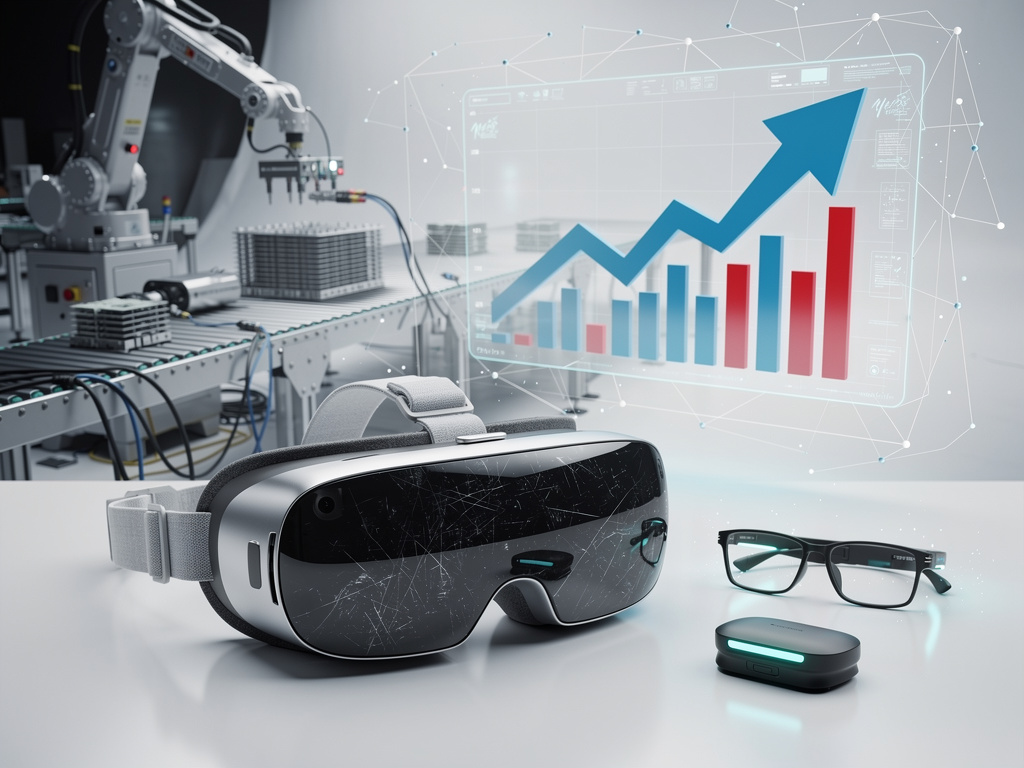
In the fast-evolving world of mixed-reality devices, Apple’s Vision Pro has emerged as a cautionary tale of ambition clashing with market realities. Launched with much fanfare in 2024 as a pioneer in what Apple dubbed “spatial computing,” the headset promised to blend digital and physical worlds seamlessly. Yet, recent reports paint a picture of dwindling production, slashed marketing budgets, and sales figures that pale in comparison to Apple’s other blockbuster products. As of early 2026, industry analysts are questioning whether this high-end gadget, priced at $3,500, is on the brink of being sidelined.
Drawing from a wave of disclosures, it’s clear that Apple’s grand vision for the device hasn’t translated into consumer enthusiasm. Shipments dropped dramatically, with estimates suggesting only 45,000 units moved in the final quarter of 2025, a stark contrast to the millions of iPhones and iPads sold in the same period. This isn’t just a hiccup; it’s a fundamental reassessment. Sources indicate that manufacturing partners like Luxshare halted production lines early last year, signaling a retreat from aggressive output goals.
The narrative isn’t entirely new. Back in 2024, whispers of production cuts surfaced, but the relaunch with an upgraded M5 chip in late 2025 was meant to reinvigorate interest. Instead, it appears to have made minimal impact, underscoring deeper issues with adoption. For industry insiders, this moment reflects broader challenges in pushing augmented and virtual reality beyond niche applications into everyday use.
Challenges Mount for High-Stakes Hardware
High pricing has been a persistent barrier, alienating all but the most dedicated early adopters. At $3,500, the Vision Pro positioned itself as a premium tool for professionals and creatives, but comfort complaints—ranging from its weight to eye strain—have deterred sustained use. Limited app ecosystems further compound the problem, with developers hesitant to invest in a platform lacking a critical mass of users.
According to a report in The Guardian, Apple had hoped the device would usher in a new era of spatial computing, but poor sales forced production cuts. This aligns with data from analyst firm IDC, which tracked a mere 390,000 units shipped throughout 2024, a figure that dwindles further into 2025. The contrast is telling: while iPhones fly off shelves, the Vision Pro languishes, highlighting how even Apple’s marketing prowess can’t overcome fundamental hurdles.
Echoing this, AppleInsider notes that some view the headset as a “rare failure” for the company, despite generating over $157 million in revenue in a single quarter. Yet, for a tech giant accustomed to dominating categories, this revenue stream feels like a drop in the ocean. Insiders point to internal reviews where Apple is reportedly adjusting its headset strategy, potentially delaying or scrapping successors.
Shifting Strategies Amid Market Pressures
The relaunch with the M5 chip was a bold move, introducing enhancements like dynamic foveated rendering and better iPhone integration, as leaked details suggested in a TechTimes piece from late 2025. However, 9to5Mac reports that this update had little effect on sales, with demand remaining tepid even during the holiday season.
Broader industry trends reveal Apple’s struggles aren’t isolated. Competitors like Meta have also seen VR headset shipments decline in 2025, as detailed in a report from The Register. This suggests a cooling enthusiasm for bulky headsets, with consumers gravitating toward lighter, AI-driven wearables instead. Apple, sensing this shift, has reportedly pivoted resources toward smart glasses and other AI-powered devices, which could debut later this year.
Social media sentiment on platforms like X amplifies these concerns. Posts from tech enthusiasts and analysts express disappointment, with many speculating that the Vision Pro’s high cost and limited real-world applications have doomed it from the start. One thread highlighted how production halts and marketing cuts—slashed by over 95%—indicate a strategic retreat, fueling rumors of discontinuation.
Lessons from Past Apple Ventures
Historically, Apple has weathered product flops, from the Newton PDA to the short-lived HomePod mini iterations, emerging stronger by iterating or pivoting. The Vision Pro saga echoes these, but with higher stakes given the investment in R&D. Estimates peg development costs in the billions, making the current pullback a painful admission.
A deep dive into comfort and usability reveals why uptake has been slow. Users report headaches after prolonged sessions, and the lack of killer apps—beyond immersive video and basic productivity tools—leaves the device feeling like an expensive novelty. As MacRumors outlined, the headset’s failure to catch on stems from these core issues, compounded by minimal international expansion.
Moreover, the economic climate plays a role. In a post-pandemic world, consumers are more cautious with luxury tech purchases, especially when alternatives like Meta’s Quest series offer similar experiences at a fraction of the price. Apple’s ecosystem lock-in, usually a strength, hasn’t fully compensated here, as the Vision Pro requires significant adaptation without immediate rewards.
Competitive Pressures and Future Directions
Looking at rivals, Meta’s Quest line, despite its own sales dips, maintains a foothold through gaming and social features that Apple has yet to match effectively. This competitive dynamic forces Apple to reconsider its approach, potentially focusing on more accessible form factors.
Insider reports, such as those in PCMag, confirm production slashes amid weak holiday sales, with only 45,000 units expected in Q4 2025. This data, corroborated by IDC, underscores a broader reluctance among consumers to embrace head-mounted displays for daily tasks.
On X, discussions often circle back to earlier warnings, like those from 2024 predicting a “death spiral” due to app shortages and high barriers to entry. These sentiments, while not always factual, reflect a growing consensus that spatial computing needs more refinement before mass appeal.
Internal Realignments and Broader Implications
Within Apple, the Vision Pro’s challenges have prompted a reevaluation of priorities. Marketing budgets, once robust, have been curtailed dramatically, as noted in a Financial Times analysis, which attributes struggles to high prices, limited apps, and comfort woes. This has exposed the difficulties of transforming futuristic hardware into everyday essentials.
For the tech sector at large, Apple’s experience serves as a benchmark. If a company with Apple’s resources can’t make mixed reality stick, what does that say about the viability of similar ventures? Startups and established players alike are watching closely, adjusting their roadmaps to emphasize affordability and practicality.
Echoing this, a Mashable article questions the future of AR/VR, suggesting Apple’s pullback could signal a industry-wide pivot away from premium headsets toward integrated AI solutions.
Evolving Consumer Expectations
Consumer feedback loops reveal a mismatch between hype and reality. Early adopters praised the Vision Pro’s eye-tracking precision and immersive environments, but mainstream users balk at the learning curve and isolation from real-world interactions.
Industry observers, drawing from X posts, note a shift in focus toward AI wearables that promise seamless integration without the bulk. Apple’s rumored smart glasses could address these pain points, offering a lighter alternative that builds on Vision Pro’s tech without the full headset commitment.
This evolution might salvage elements of the Vision Pro’s innovations, repurposing them for more palatable products. For instance, spatial audio and gesture controls could enhance future iPhone or Mac experiences, extending the device’s legacy beyond its hardware.
Strategic Pivots and Long-Term Vision
Apple’s official channels, like the Apple Newsroom, continue to highlight updates, but the lack of aggressive promotion speaks volumes. The company’s silence on discontinuation rumors fuels speculation, yet insiders suggest a quiet wind-down rather than an abrupt end.
In a piece from TechRadar, the author expresses unsurprise at the potential demise, citing predictable pitfalls like overpricing and underdeveloped ecosystems. This opinion resonates with broader critiques, positioning the Vision Pro as a bold experiment that illuminated paths forward, even if it didn’t succeed commercially.
Ultimately, the device’s trajectory underscores the risks of pioneering new categories. Apple may yet refine its approach, but for now, the Vision Pro stands as a symbol of innovation’s steep climb toward acceptance.
Reflections on Innovation’s Hurdles
Peering ahead, the tech industry’s fascination with augmented realities persists, but tempered by realism. Apple’s challenges highlight the need for gradual adoption curves, starting with accessible entry points rather than all-in premium bets.
X conversations often debate whether spatial computing is merely early-stage or inherently limited, with some users pointing to successes in enterprise settings like training simulations. Yet, consumer markets demand more—entertainment, social connectivity, and effortless integration.
As Apple navigates this, the Vision Pro’s story could inspire future iterations, blending lessons learned into hybrid devices that bridge gaps between ambition and accessibility. For industry watchers, it’s a reminder that even giants must adapt to unforgiving market forces.


 WebProNews is an iEntry Publication