
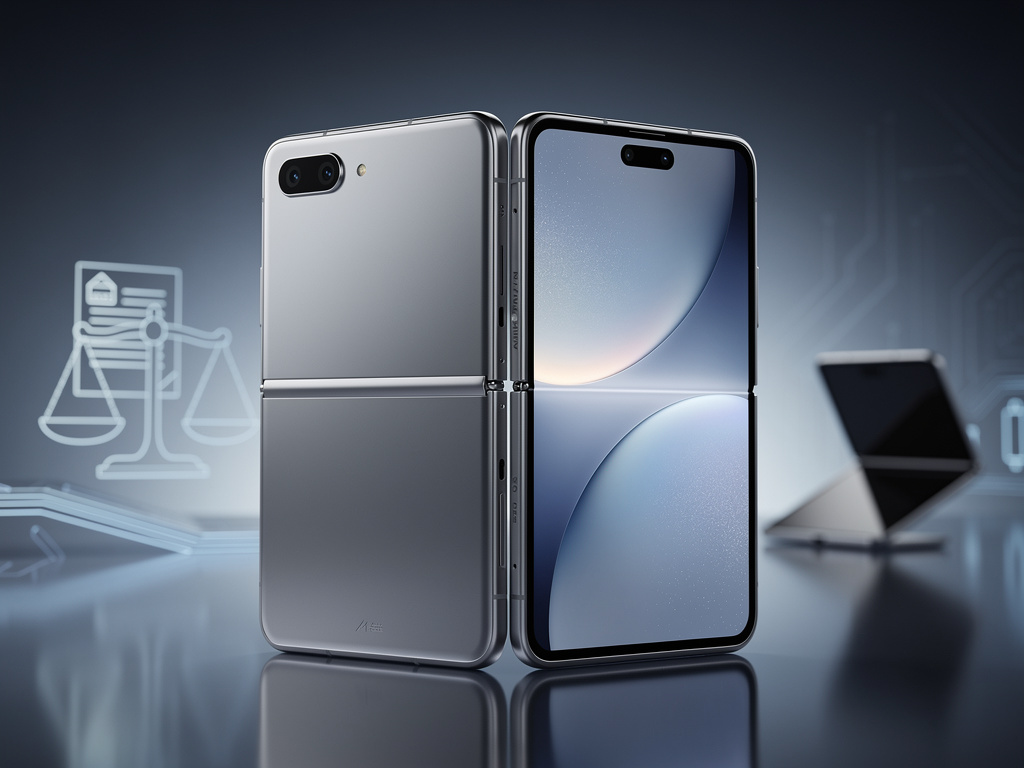
Unfolding Apple’s Secret: The iPhone Ultra’s Foldable Revolution on the Horizon
In the ever-evolving world of consumer electronics, few companies command as much anticipation and speculation as Apple Inc. Recent leaks have ignited fresh excitement around what could be the tech giant’s most ambitious smartphone project yet: a foldable iPhone potentially dubbed the “Ultra.” Drawing from a convergence of analyst insights and insider revelations, this development signals Apple’s intent to challenge established players in the foldable device market. According to a report from TechRepublic, converging predictions point to a 2026 launch, marking a significant pivot for a company that has long prioritized sleek, singular-screen designs over experimental form factors.
The buzz stems from multiple sources, including detailed renders and specifications shared by prominent leakers. YouTuber Jon Prosser, despite facing legal action from Apple over prior disclosures, has doubled down with visuals depicting a book-style foldable device. These images suggest a device with a 5.5-inch external display and a larger 7.8-inch internal screen, aiming for a seamless, crease-minimizing experience. This isn’t just idle rumor; it’s backed by reports of Apple testing prototypes and refining technologies like liquid metal hinges to address common foldable pitfalls such as visible creases and durability concerns.
Analysts have long speculated on Apple’s entry into this segment, but the timeline is crystallizing. Ming-Chi Kuo, a respected Apple watcher, has previously indicated that supply chain preparations are underway, with component suppliers ramping up for mass production. The foldable iPhone’s potential arrival in 2026 aligns with Apple’s typical September release cycle, positioning it as a flagship alongside or above the existing Pro Max lineup. This move could redefine premium smartphones, blending Apple’s ecosystem strengths with the versatility of foldables.
Prototypes and Legal Entanglements
The path to this innovation hasn’t been smooth. Apple’s lawsuit against Prosser and an alleged co-conspirator in July 2025 underscores the company’s fierce protection of its intellectual property. The suit claims misappropriation of trade secrets related to iOS 26 and a project codenamed “Liquid Glass,” which many believe ties into foldable display tech. Ironically, by pursuing legal action, Apple has inadvertently lent credibility to the leaks, as noted in coverage from ExtremeTech. Prosser’s response? Releasing even more details, including pricing estimates around $2,400, which would place it in an ultra-premium tier.
Beyond the courtroom drama, technical details are emerging that paint a picture of a highly advanced device. Leaks suggest an under-display 24MP front camera on the inner screen, eliminating notches or punch-holes for a more immersive experience. Battery life, a critical factor for power-hungry foldables, is rumored to feature a 5,400 to 5,800 mAh capacity, supported by 30W wired charging and 20W MagSafe wireless options. These specs, if accurate, would address common complaints about current foldables from competitors like Samsung and Google.
Industry insiders point to Apple’s broader 2026 roadmap as context for this launch. A leak from Sportskeeda Tech outlines over a dozen new devices, including M6-powered Macs and updated iPads, suggesting the foldable iPhone is part of a larger ecosystem refresh. This integration could be key, allowing seamless continuity between devices, such as using the foldable as a mini-tablet for productivity tasks while leveraging Apple Pencil support or enhanced multitasking features in iOS.
Market Dynamics and Competitive Pressures
Apple’s hesitation to enter the foldable arena has been notable, especially as rivals have iterated on the technology for years. Samsung’s Galaxy Z Fold series, now in its sixth generation, has set benchmarks for foldable reliability and software optimization. Yet, Apple’s entry could disrupt this space by introducing superior build quality, privacy features, and integration with services like Apple Intelligence. Posts on X (formerly Twitter) reflect public sentiment, with users expressing excitement over potential features like a creaseless design and high-end pricing that signals exclusivity.
Pricing strategy will be crucial. At an estimated $2,400 starting point, as per various leaks, the iPhone Ultra would target affluent consumers willing to pay a premium for cutting-edge tech. This aligns with Apple’s history of creating aspirational products, much like the original iPhone redefined mobile computing. However, it also risks alienating budget-conscious buyers, potentially segmenting the market further. Analysts from firms like Bloomberg have noted Apple’s internal discussions on “stretching” consumer budgets for top-tier models, a tactic that has worked with the Pro series.
Supply chain insights add another layer. Reports indicate Apple is collaborating with display manufacturers like Samsung Display and LG to perfect OLED panels that resist creasing and offer high brightness levels, up to 3,000 nits for outdoor visibility. The inclusion of ProMotion technology with adaptive refresh rates from 1 to 120 Hz would ensure smooth scrolling and energy efficiency, hallmarks of Apple’s display prowess. These advancements aren’t just for show; they address real-world usability issues that have plagued early foldables.
Technological Innovations Driving the Design
Diving deeper into the rumored specifications, the foldable iPhone is expected to incorporate a dual-cell battery design for better heat management and longevity. Security features might evolve too, with leaks suggesting Touch ID embedded in the power button as a complement or alternative to Face ID, especially useful when the device is folded. This hybrid approach could appeal to users in scenarios where facial recognition is impractical, such as wearing masks or in low-light conditions.
Software will play a pivotal role. iOS 26, as glimpsed in earlier leaks reported by MacRumors, includes codenames and features tailored for foldable interfaces, like adaptive app layouts that expand across the larger screen. Imagine running two apps side-by-side with seamless transitions, or using the external display for quick glances without unfolding. Apple’s focus on privacy and security would extend here, with end-to-end encryption and on-device processing for AI-driven features.
Competitive analysis reveals why 2026 might be the perfect timing. By then, foldable technology will have matured, with costs decreasing and reliability improving. Apple’s delay allows it to learn from others’ mistakes, much like it did with smartwatches and wireless earbuds. A report from Digital Trends even revives hopes for related thin-model variants, suggesting a broader lineup refresh that includes an “iPhone Air” alongside the Ultra.
Ecosystem Integration and Future Implications
The foldable iPhone wouldn’t exist in isolation. Integration with Apple’s ecosystem—think seamless handoff to Macs, iPads, or even Vision Pro—could make it indispensable for power users. For instance, unfolding the device might trigger continuity features, allowing users to pick up editing a document from their MacBook directly on the larger screen. This level of cohesion is something competitors struggle to match without a comparable suite of hardware and software.
Challenges remain, however. Durability is a big question mark; foldables are notoriously prone to screen damage, and Apple’s reputation for robust builds will be tested. Regulatory hurdles, especially in markets with strict environmental standards, could influence material choices, pushing for more sustainable components like recycled titanium frames. Leaks from Mashable highlight the device’s book-style form, which might prioritize portability over the flip-style popularized by Samsung’s Z Flip.
Looking ahead, the iPhone Ultra could catalyze broader adoption of foldables, much like the iPhone spurred the smartphone boom. Industry watchers on X are abuzz with speculation, from camera upgrades to AI enhancements, reflecting a community eager for Apple’s take. If successful, this could boost Apple’s revenue streams, with premium pricing offsetting any initial R&D costs.
Strategic Positioning in a Crowded Field
Apple’s strategy appears calculated to position the Ultra as more than just a phone—it’s a hybrid device bridging phone and tablet functionalities. With rumors of variable aperture cameras for superior photography and under-display sensors for a cleaner aesthetic, the device promises to elevate user experiences. Pricing leaks suggest tiers starting at 256GB for $1,999, scaling to 1TB at $2,499, catering to storage needs without compromising on performance.
Legal and ethical considerations add intrigue. Apple’s aggressive stance against leakers, as seen in the Prosser case, aims to control the narrative, but it also fuels public interest. Coverage from HotHardware notes how such leaks provide official-looking renders, giving fans a tantalizing preview despite the controversy.
Ultimately, the foldable iPhone represents Apple’s willingness to innovate beyond its comfort zone. As 2026 approaches, expect more details to emerge, shaping not just Apple’s lineup but the entire mobile industry. Whether it lives up to the hype will depend on execution, but the leaks paint a compelling picture of a device poised to redefine what’s possible in handheld computing.
Evolving Expectations and Industry Ripple Effects
Consumer expectations are high, influenced by years of foldable refinements from others. Apple must deliver on battery life, software fluidity, and app optimization to justify the premium. Posts on X indicate enthusiasm for features like a 48MP main sensor and potential Dynamic Island evolutions, hinting at a device that could dominate photography and videography.
Broader implications include supply chain shifts, with Apple likely sourcing advanced components globally. This could benefit partners while pressuring competitors to innovate faster. As reported in TechSpot, the thinner-than-expected design suggests engineering breakthroughs that might influence future non-foldable iPhones too.
In wrapping up this exploration, the iPhone Ultra’s foldable incarnation embodies Apple’s strategic evolution, blending heritage with forward-thinking design. As leaks continue to surface, the anticipation builds for a product that could set new standards in mobile technology.


 WebProNews is an iEntry Publication