
Apple’s Elusive Foldable Dream: Perfectionism Meets Market Realities
In the ever-evolving world of smartphone innovation, Apple Inc. has long been synonymous with meticulous design and user experience. Yet, as competitors like Samsung and Google push boundaries with foldable devices, whispers about Apple’s entry into this arena have grown louder. Recent reports suggest that while development is underway, significant hurdles remain, potentially delaying or even derailing a foldable iPhone launch. Drawing from industry insights, it’s clear that Apple’s insistence on flawlessness could mean consumers wait indefinitely for a product that meets the company’s exacting standards.
The journey toward a foldable iPhone has been marked by rumors and setbacks. According to a report from TechRadar, Apple is grappling with technical challenges in achieving a crease-free display, a feature the company deems essential. This pursuit of perfection echoes Apple’s history of entering markets only when technology aligns with its vision, as seen with the Apple Watch or AirPods. Insiders note that prototypes are in development, but reliability issues persist, pushing potential release dates further out.
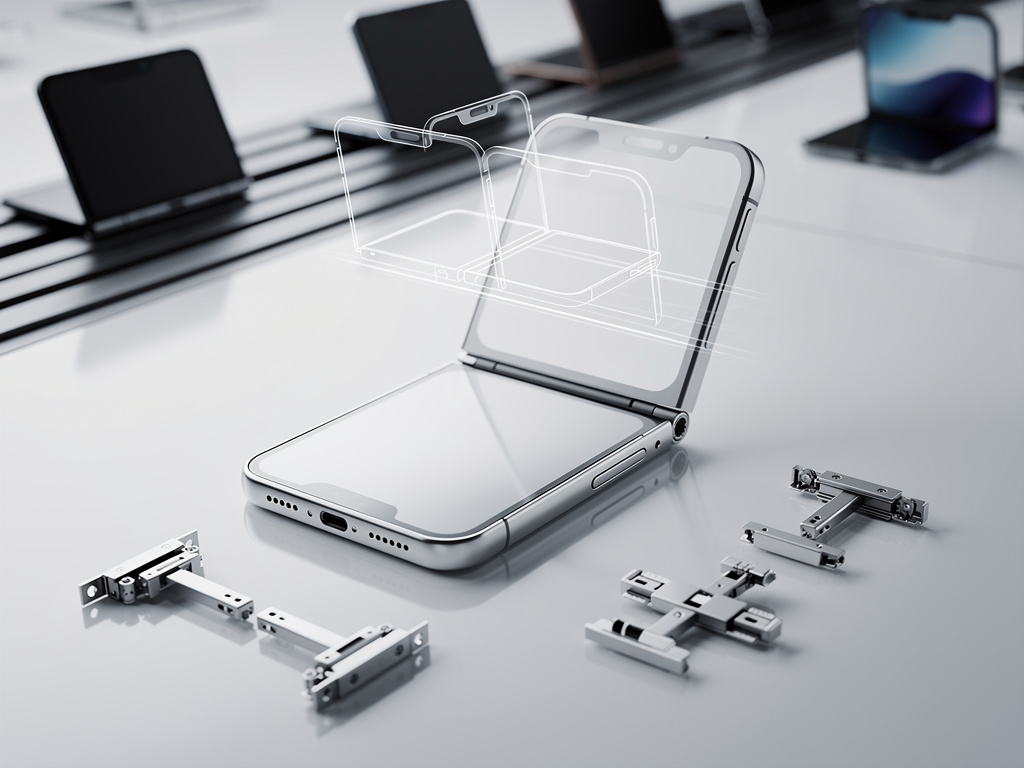
Beyond display creases, durability concerns loom large. Foldable phones from other manufacturers often suffer from hinge failures and screen vulnerabilities after prolonged use. Apple’s approach, as detailed in sources like Gadget Hacks, involves rigorous testing phases, with prototypes entering verification stages. However, these efforts highlight the gap between current foldable tech and Apple’s quality benchmarks, raising questions about whether the form factor can ever truly integrate seamlessly into the iPhone ecosystem.
Navigating Technical Hurdles
Industry analysts point to a roadmap that includes ambitious models like the iPhone 17e and eventual foldables. A piece from Zeera Wireless outlines plans for up to eight new iPhone variants by 2027, incorporating foldable designs with innovations such as under-display cameras. Yet, challenges in hinge technology and flexible OLED displays continue to complicate progress, as reported in MacRumors. Apple’s suppliers are reportedly in the prototyping phase, aiming for a 2026 launch, but optimism is tempered by past delays.
The push for a crease-free experience is particularly telling. Competitors have mitigated creases but not eliminated them, leading to user complaints about visibility and longevity. Apple’s rumored liquid metal hinge, mentioned in recent leaks, aims to address this, but scaling production without compromising quality remains elusive. As The Bridge Chronicle notes, advancements in flexible displays are progressing, yet they may not yet satisfy Apple’s criteria for mass-market readiness.
Moreover, integrating breakthrough features like a 24-megapixel under-display camera, as per another MacRumors report, adds layers of complexity. This technology could differentiate Apple’s foldable from rivals, but it also amplifies development risks. Analysts like Ming-Chi Kuo have warned of production yield issues, potentially limiting initial supply and delaying widespread availability until 2027, according to Tom’s Guide.
Market Pressures and Consumer Expectations
The foldable market, while growing, is still niche, with high prices and durability concerns deterring mainstream adoption. Apple’s entry could legitimize the category, but only if it avoids the pitfalls that plague current models. Posts on X from accounts like Apple Hub and MacRumors reflect ongoing speculation, with users expressing excitement tempered by skepticism about timelines. One post highlights reliability worries pushing releases to 2026 or later, underscoring the sentiment that Apple won’t compromise on quality.
Pricing emerges as another battleground. Rumors suggest a foldable iPhone could command premiums up to $2,400, as speculated in CNET. This positions it as a luxury item, potentially alienating budget-conscious consumers. Analyst Ming-Chi Kuo, via The Economic Times, predicts a 2026 debut around $2,000, but production snags might inflate costs or delay shipments.
Design leaks offer glimpses into Apple’s vision. A 3D mockup based on CAD files, covered in Macworld, reveals a radical book-style form factor with a compact outer screen. This differs from bulkier competitors, aiming for portability. However, as TechTimes details, durability upgrades like enhanced hinges are crucial to withstand daily folding without wear.
Industry Trends Shaping the Future
Broader trends in the smartphone sector influence Apple’s strategy. The shift toward multi-form-factor devices is evident, with Samsung developing additional foldables to counter Apple’s potential entry, as noted in Tom’s Guide coverage. Apple’s aggressive roadmap, including all-screen designs by 2027, signals a pivot from annual upgrades to diversified offerings, per Zeera Wireless insights.
Challenges extend to supply chain dynamics. Reports from DigiTimes, echoed in X posts, indicate postponements due to component sourcing issues in Asia. Apple’s outreach to suppliers for foldable parts, as per The Information via an X update, shows commitment, but global manufacturing constraints could hinder timelines.
Consumer sentiment, gleaned from X discussions, mixes anticipation with doubt. Posts from 2024 and 2025 reveal a pattern of delayed expectations, from initial 2023 rumors shifting to 2027. This reflects the tech community’s awareness that Apple’s perfectionism often results in later-but-better products, or sometimes, abandonment if standards aren’t met.
Competitive Dynamics and Innovation Risks
Rivals aren’t standing still. Samsung’s Galaxy Z series and Google’s Pixel Fold have iterated on foldables, improving creases and software integration. Apple’s delay allows these players to refine their offerings, potentially making it harder for a late entrant to dominate. Yet, Apple’s ecosystem advantage—seamless integration with iOS, Mac, and services—could be a game-changer if executed flawlessly.
The risk of innovation fatigue is real. If foldables remain plagued by issues like dust ingress or battery life compromises, Apple might pivot to alternative form factors, such as augmented reality glasses. Historical precedents, like Apple’s avoidance of stylus until the Pencil’s perfection, suggest foldables must prove their worth beyond novelty.
Production scalability is a core concern. Ming-Chi Kuo’s warnings about yield issues imply that even if prototypes succeed, mass production could falter, leading to shortages. This mirrors early AirPods Pro challenges, where quality control delayed launches.
Strategic Implications for Apple
Looking ahead, Apple’s foldable ambitions tie into broader goals of product diversification. With iPhone sales plateauing in mature markets, new categories like foldables could reignite growth. However, as TechRadar opines in its analysis—linked earlier—the company won’t release until foldables are “perfect,” which might mean never, given persistent imperfections.
Ecosystem integration poses unique challenges. Ensuring apps and features work across folded and unfolded states requires software overhauls, potentially delaying iOS updates. Apple’s history of controlling the user experience means any foldable must enhance, not complicate, daily use.
Finally, regulatory and environmental factors play a role. Stricter e-waste laws and sustainability pushes could influence design, favoring durable, repairable devices. Apple’s emphasis on longevity aligns here, but foldables’ mechanical complexity might conflict with these ideals.
Evolving Expectations and Potential Outcomes
As 2026 approaches, leaks like those from PhoneArena provide realistic renders, fueling hype. A compact design with a 7.8-inch inner display, as per Tom’s Guide, suggests Apple aims for versatility without bulk.
Yet, reports from Hindustan Times indicate a smaller outer screen than anticipated, prioritizing portability. This could appeal to users seeking phone-tablet hybrids, but only if durability holds up.
In the end, Apple’s foldable saga embodies its corporate ethos: innovate responsibly or not at all. Whether this leads to a groundbreaking device or perpetual postponement remains to be seen, but the pursuit underscores the high stakes in premium tech. Industry watchers will continue monitoring for signs of progress, knowing Apple’s entry could redefine the category—if it ever arrives.


 WebProNews is an iEntry Publication