
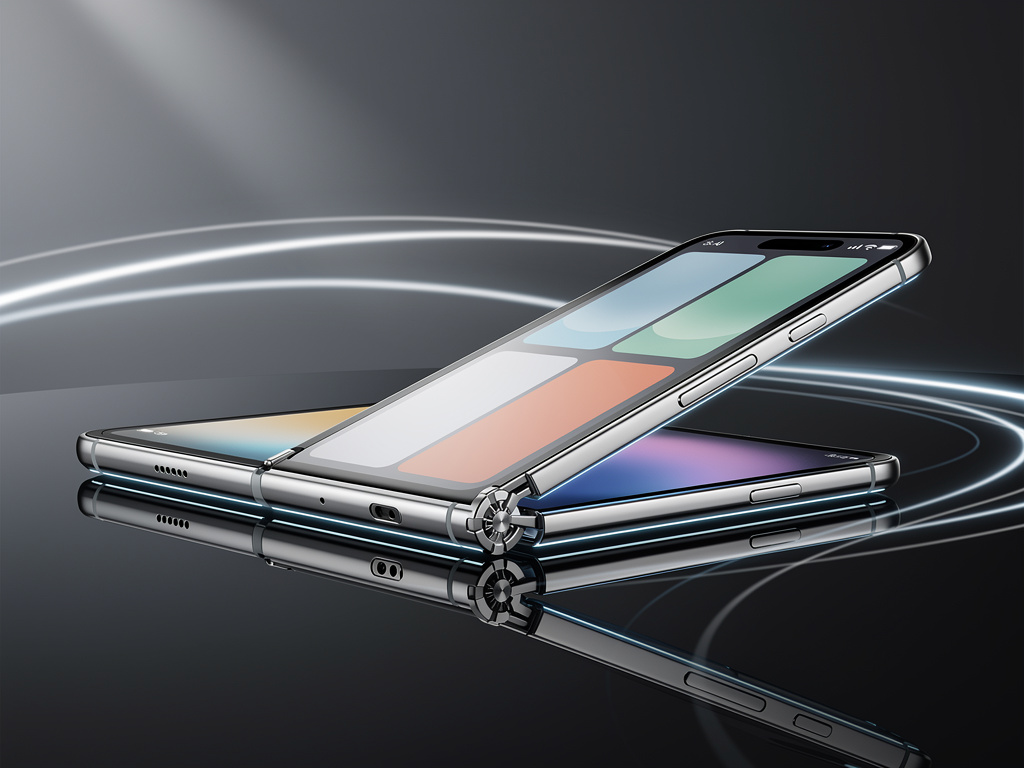
Apple’s Foldable Future: Unfolding a Wider Vision for the iPhone
Apple Inc. is poised to redefine the smartphone market with its long-rumored foldable iPhone, a device that could blend the portability of a traditional phone with the expansive screen real estate of a tablet. According to recent reports, this innovative gadget, tentatively dubbed the iPhone Fold, is expected to feature an inner display that’s more wide than tall when unfolded, setting it apart from competitors like Samsung’s Galaxy Z Fold series. This design choice suggests Apple is prioritizing a broader viewing area for multitasking and media consumption, potentially appealing to professionals who need more screen space on the go.
The buzz around Apple’s entry into the foldable arena has been building for years, but fresh leaks are providing clearer insights into what the company might deliver. A report from 9to5Mac highlights that the device’s unfolded form will emphasize width over height, which could enhance experiences like video watching or document editing without the need for excessive scrolling. Industry analysts speculate this aspect ratio draws inspiration from productivity tools, allowing users to view content in a more expansive, side-by-side format rather than a vertically elongated one.
Beyond the display dimensions, the iPhone Fold is rumored to incorporate advanced features that address common pain points in foldable technology. Sources indicate Apple is working on minimizing the visible crease that plagues many current foldables, aiming for a nearly seamless inner screen. This engineering feat could involve proprietary hinge mechanisms and display materials developed in-house, reflecting Apple’s meticulous approach to hardware integration.
Innovative Design Choices
Leaked specifications suggest the iPhone Fold will measure around 7.58 inches for the inner display and 5.25 inches for the outer one when closed, making it compact enough for pocket carry yet expansive when opened. Posts on X (formerly Twitter) from tech enthusiasts and leakers, such as those compiling rumored details, point to a device that’s smaller than the iPhone 17 Pro when folded, enhancing its appeal for everyday use. This balance of size is crucial, as foldables have often been criticized for their bulkiness.
Camera technology is another area where Apple appears to be innovating. Reports from MacRumors reveal plans for a 24-megapixel under-display camera on the inner screen, a first in the industry that could eliminate notches or punch-holes for a truly immersive viewing experience. This under-panel camera would allow for high-quality selfies and video calls without interrupting the display’s continuity, a feature that competitors have yet to perfect.
Battery life is expected to be robust, with leaks suggesting a capacity between 5,400 and 5,800 mAh, which would support the power demands of dual screens and advanced processing. X posts aggregating these rumors also mention a titanium body for durability and a potential A20 Pro chip, ensuring the device keeps pace with Apple’s flagship performance standards.
Market Implications and Challenges
The anticipated launch in 2026 aligns with broader industry trends, where foldables are gaining traction but still represent a niche segment. Apple’s entry could mainstream the category, much like it did with smartwatches and wireless earbuds. However, pricing remains a hurdle; estimates from various sources peg the iPhone Fold at around $2,400, positioning it as a premium offering that might limit initial adoption to tech-savvy professionals and early adopters.
Competitive pressures are mounting, with Samsung and Google already iterating on their foldable lines. Apple’s wider-than-tall design could differentiate it by optimizing for tasks like split-screen apps or wide-format content, potentially carving out a unique niche. Yet, durability concerns persist—foldables are prone to screen damage, and Apple must ensure its version withstands real-world use without compromising on thinness.
Supply chain insights, as reported in iPhone in Canada, indicate collaborations with display manufacturers like Samsung for foldable panels, underscoring the complex ecosystem required to bring such a device to market. These partnerships highlight Apple’s strategy of leveraging external expertise while maintaining control over final integration.
Technological Breakthroughs Ahead
One of the most intriguing aspects is the hinge design, which leaks describe as exceptionally strong and capable of reducing creases to near invisibility. This could involve advanced materials or mechanisms that allow the screen to fold flat without distortion, a challenge that has eluded many manufacturers. X discussions among tech insiders emphasize this as a potential game-changer, with some speculating on Apple’s patent filings for flexible displays.
The device is also rumored to skip Face ID in favor of side-mounted Touch ID, a practical choice for a foldable form factor where traditional facial recognition might be obstructed. This shift could appeal to users who prefer biometric options that work seamlessly in various orientations, further tailoring the iPhone Fold for versatility.
Software integration will be key, with iOS adaptations expected to exploit the larger inner screen for enhanced multitasking. Imagine running two apps side by side on a wide canvas, or unfolding the device for a mini-tablet experience during presentations. Such features could position the iPhone Fold as an indispensable tool for business professionals, aligning with Apple’s ecosystem of productivity apps.
Ecosystem Integration and User Experience
Apple’s foldable ambitions extend beyond hardware; they’re deeply tied to its software ecosystem. Rumors suggest seamless continuity between the iPhone Fold and other Apple devices, like instant handoff to a Mac or iPad. This interconnectedness could make the device a central hub for users invested in Apple’s walled garden, enhancing loyalty and driving sales of complementary products.
User feedback from current foldable owners, echoed in online forums and X threads, often highlights the transformative nature of having a large screen in a pocketable form. Apple’s version, with its emphasis on width, might excel in scenarios like reading wide documents or viewing spreadsheets, areas where taller displays fall short. However, achieving this without increasing weight or thickness will test Apple’s engineering prowess.
Pricing strategies could include tiered models, but initial leaks point to a high entry point that reflects the cutting-edge tech involved. Analysts from Gizmodo note the device’s compact closed size, which might justify the cost by offering unparalleled portability.
Industry Reactions and Future Prospects
Reactions from the tech community have been mixed, with excitement tempered by skepticism about Apple’s late entry. X posts from influencers like those sharing leaked specs express optimism, predicting that Apple’s polish could elevate foldables from gimmick to essential. Conversely, some worry about potential delays, given Apple’s history of perfecting products before release.
Looking ahead, the iPhone Fold could influence Apple’s broader lineup. Reports from MacRumors (in a separate piece) suggest it might launch alongside the iPhone 18 series, creating a diversified portfolio that caters to different user needs. This strategy could help Apple capture market share in emerging segments while maintaining dominance in traditional smartphones.
Competitors are already responding; Samsung’s confirmation of supplying displays to a major U.S. client, as noted in X leaks, indirectly points to Apple. This dynamic underscores the collaborative yet competitive nature of the tech industry, where innovations in one company ripple across the board.
Potential Hurdles and Innovations
Challenges in production, such as scaling crease-free displays, could push back timelines. Industry insiders on X speculate that Apple is testing prototypes with under-display sensors to avoid visible interruptions, a move that could set new standards for foldable aesthetics.
Battery and thermal management are critical, especially with a wide inner screen demanding more power for high-resolution content. Leaks indicate Apple is addressing this with efficient chipsets and larger batteries, ensuring all-day usage without frequent charging.
Moreover, the device’s rumored dual 48-megapixel rear cameras promise photography capabilities on par with Apple’s Pro models, potentially attracting content creators who value a foldable’s unique shooting angles.
Broader Industry Impact
The iPhone Fold’s design philosophy—prioritizing width for a more immersive unfolded experience—could inspire rivals to rethink their aspect ratios. This shift might lead to a new wave of devices optimized for horizontal workflows, benefiting sectors like finance and design where side-by-side comparisons are common.
Apple’s commitment to privacy and security will likely extend to this device, with features like encrypted folding states or secure enclave integrations. Such elements could differentiate it in a market where data protection is paramount.
As 2026 approaches, anticipation builds for what could be Apple’s most ambitious iPhone yet. By focusing on a wide, versatile form factor, the company aims to not just enter the foldable space but to redefine it, much like it has with previous innovations.
Vision for Tomorrow’s Devices
In the grand scheme, the iPhone Fold represents Apple’s vision for the future of personal computing—devices that adapt to users’ needs seamlessly. Leaks from sources like TechTimes detail speculated dimensions that emphasize practicality, ensuring the device feels like an extension of the user’s workflow rather than a novelty.
Integration with Apple Intelligence and AI features could further enhance its utility, offering predictive multitasking on the wide screen. Imagine AI suggesting app layouts based on usage patterns, optimizing the unfolded state for efficiency.
Ultimately, while details remain speculative, the convergence of leaks paints a picture of a device that’s innovative, user-centric, and poised to disrupt. Apple’s track record suggests it will deliver something that not only meets but exceeds expectations, solidifying its position at the forefront of technology.


 WebProNews is an iEntry Publication